Today · Jun 17, 2026
$100M Renovation. 524 Rooms. Zero Downtime. That Last Part Is Where It Gets Interesting.

$100M Renovation. 524 Rooms. Zero Downtime. That Last Part Is Where It Gets Interesting.

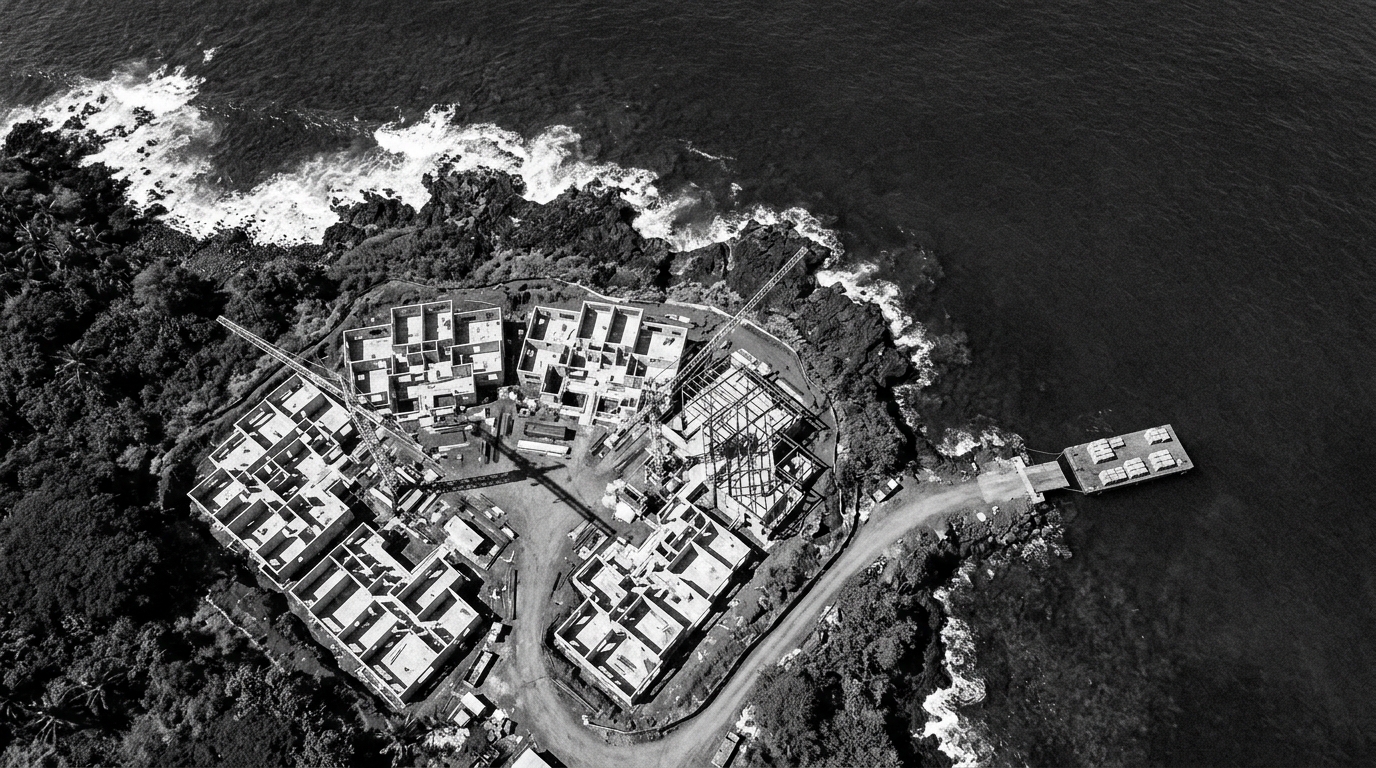
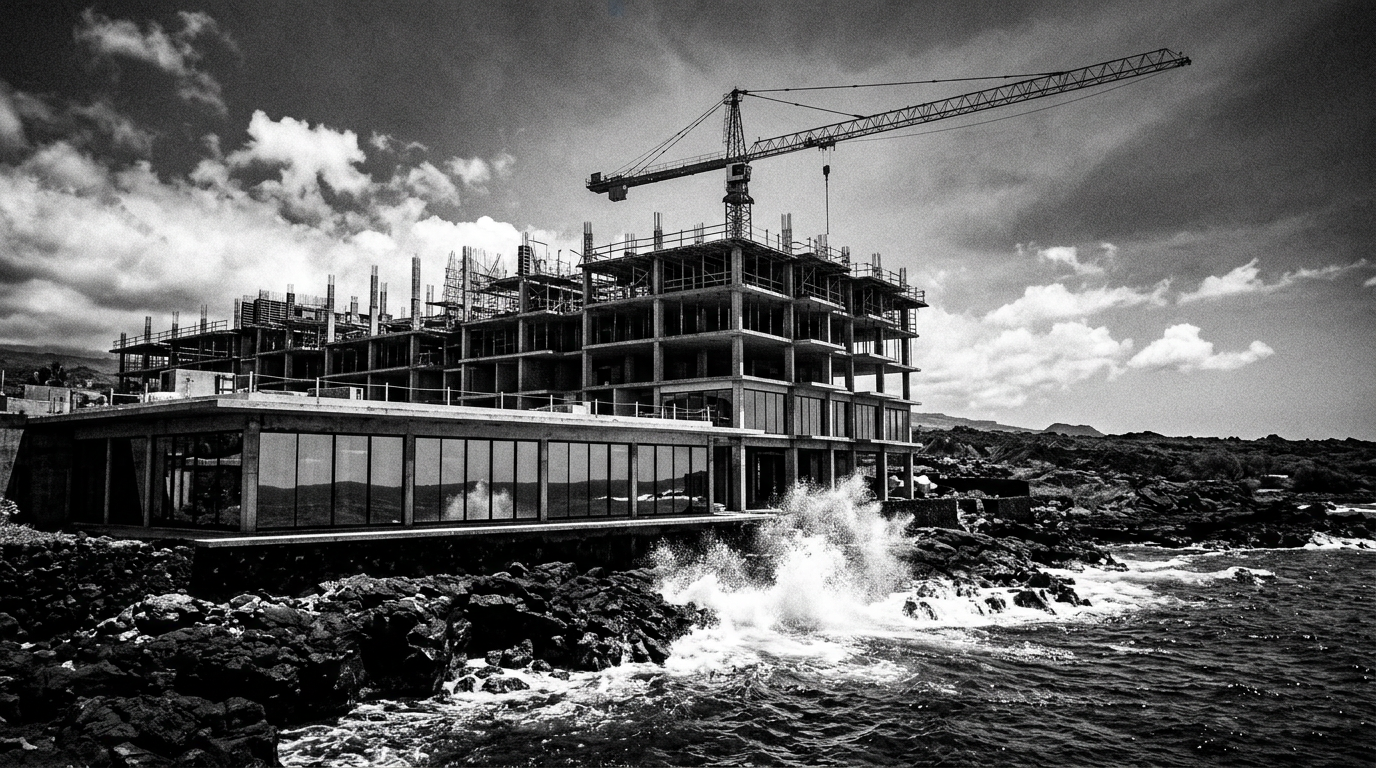
Outrigger is spending roughly $191K per key to overhaul its Waikīkī flagship while keeping every room operational through October 2026. The renovation math checks out... it's the technology and logistics of pulling it off without displacing a single guest that deserves the real scrutiny.

Available Analysis

So here's what caught my attention about Outrigger's $100 million renovation of the Waikīkī Beach Resort... it's not the money. $191K per key for a beachfront luxury property in one of the most expensive construction markets in America? That's actually reasonable when you compare it to what other Hawaii resorts have been spending. A 252-key property on the Big Island just committed $180 million... that's over $714K per key. Outrigger's number is almost conservative by comparison. The money isn't the story.

The story is the phrase "fully operational throughout the project."

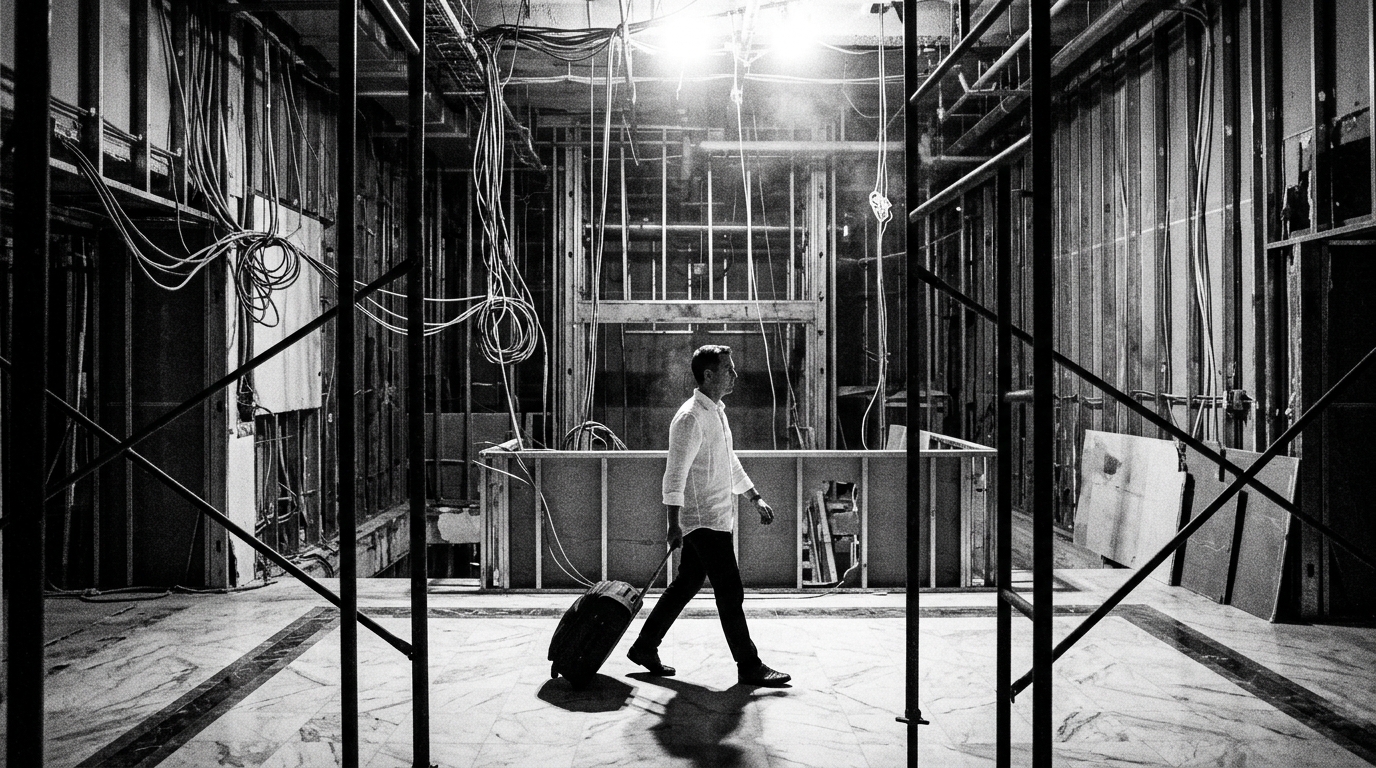
524 rooms. Full gut renovation of guestrooms, lobby, arrival experience, public spaces. A club lounge expanding to three times its current size. And the plan is to do all of this while guests are sleeping, eating breakfast, and walking through the lobby with their surfboards. That is an extraordinarily ambitious technology and logistics challenge that the press release covers in exactly one sentence. Let's talk about what this actually does to the systems running that building.

I consulted with a resort group last year that attempted a phased renovation of 280 rooms while staying open. Their PMS couldn't handle dynamic room-type inventory changes at that scale. Rooms were being sold that were supposed to be offline. Housekeeping assignments were breaking because the system didn't distinguish between "out of order for renovation" and "out of order for maintenance." Rate integrity collapsed because the revenue management system was optimizing against a room count that changed weekly. They ended up managing the renovation sequencing on a shared spreadsheet. A spreadsheet. For a $60 million project. The technology stack at most hotels was not built for the kind of real-time inventory fluidity that a rolling renovation requires. Your PMS tracks rooms. Your RMS prices rooms. Your CRS sells rooms. When 50 to 80 of those rooms are shifting in and out of inventory on a weekly basis, those three systems need to talk to each other with a precision that most integrations simply don't support. Add in the noise complaints, the construction crew scheduling (which has to avoid peak check-in, pool hours, and the dinner service at three on-site restaurants that are staying open), and you're looking at an operational technology challenge that dwarfs the design work.

The other thing nobody's asking... what's the WiFi plan? I'm serious. Construction in a building wired decades ago means you're cutting into walls, rerouting electrical, potentially disrupting the backbone infrastructure that supports guest connectivity, POS systems, digital key access, housekeeping communication, and whatever IoT the property is running. If your access points are ceiling-mounted and you're pulling ceilings apart floor by floor, your network architecture needs a temporary redundancy plan that most properties don't have and most general contractors don't think about. The Dale Test question here is clear... when the WiFi drops on floor 6 at midnight because the crew nicked a cable run, who's fixing it? The night auditor? A construction manager who went home at 5 PM? The guest who paid $450 a night for a "luxury" stay surrounded by drywall dust?

Look, I'm not knocking the investment. Outrigger's track record here is solid... they've completed three major Waikīkī renovations since 2018, including an $80 million project at another beachfront property. They clearly know how to do this. And the "barefoot luxury" positioning is smart (it's specific enough to mean something and flexible enough to execute without requiring a dedicated sommelier on every shift). But the technology execution of a live renovation at this scale is the hardest part of the entire project, and it's the part that gets the least attention because it's not photogenic. Nobody puts the PMS integration timeline in the rendering. They should.

Operator's Take

If you're planning a renovation while staying operational... at any scale, not just 524 keys... here's the move. Before your GC swings a hammer, sit down with your PMS provider and your RMS provider and your channel manager and ask one question: "Can your system handle room inventory that changes weekly for six months?" Get the answer in writing. This is what I call the Renovation Reality Multiplier... the promised disruption timeline and the real one are never the same number, and the gap lives in your technology stack. Build your phased plan around system limitations, not design timelines. And budget a dedicated IT resource for the duration of the project. Not your existing guy who also handles the POS and the guest WiFi. A dedicated person whose only job is keeping the building's technology running while someone else takes it apart. That line item will be the best money you spend on the entire renovation.
— Mike Storm, Founder & Editor
Read full analysis → ← Show less
Source: Google News: Resort Hotels
$70M to Renovate 791 Rooms. The Renovation Isn't the Story. What Happens Next Is.

$70M to Renovate 791 Rooms. The Renovation Isn't the Story. What Happens Next Is.

Kyo-ya just spent $88,500 per key refreshing Waikiki's most iconic hotel after an 11-year gap. The real question is whether the luxury bet pays off in a Hawaii market that's splitting in two... and what that split means for every operator watching from the mainland.

Available Analysis

A guy I used to work with managed a historic property on the coast... not Hawaii, but the same DNA. Big-name flag, irreplaceable location, ownership group that let the soft goods slide for about a decade because the views kept selling rooms. He told me once, "The ocean is the best revenue manager I've ever had. It covers up a lot of sins." Then one year, reviews started slipping. Not catastrophically. Just enough. The comp set renovated. OTA photos started looking dated. And suddenly the ocean wasn't enough.

That's the backdrop for what Kyo-ya just did at the Moana Surfrider. Seventy million dollars across all 791 keys, the lobby, and a new 200-person oceanfront event space. First significant renovation in 11 years. Do the math... that's roughly $88,500 per key, which for a luxury beachfront Westin in Waikiki is actually reasonable. Not cheap. But reasonable. Especially when you consider what they were protecting. This property opened in 1901. It's not just a hotel. It's the hotel that made Waikiki a destination. You don't let that slide into irrelevance because the renovation committee couldn't agree on a timeline.

Here's what I find more interesting than the renovation itself. Hawaii's luxury segment is running hot... December 2025 saw luxury RevPAR at $795 statewide, with ADR north of $1,200. But the mid-tier market is softening. That's a K-shaped recovery, and it means the gap between properties that invest and properties that don't is widening fast. Kyo-ya owns four major Waikiki hotels and has reportedly poured over $300 million into renovations across the portfolio. They're not guessing about which side of the K they want to be on. They're buying their way onto the top line with conviction. Meanwhile, Marriott is stacking luxury conversions across the islands... a St. Regis on Maui, a Ritz-Carlton at Turtle Bay. The brand is making a clear bet that Hawaii's future is high-ADR, high-loyalty-contribution, premium positioning. If you're a mid-market operator in Honolulu wondering why your occupancy feels soft while the luxury properties celebrate, this is your answer. The market isn't shrinking. It's bifurcating. And capital is flowing uphill.

The phased approach here is worth studying. They kept the hotel open through the entire project, rolling wing by wing from winter 2024 through early 2026. That's the right call for a 791-key property that can't afford to go dark (and an owner that can't afford 18 months of zero revenue on a Waikiki beachfront asset). But anyone who's managed through a rolling renovation knows the reality behind the press release. Guests in the finished Tower Wing listening to construction noise from the Diamond Wing. Housekeeping working around contractor staging areas. Front desk teams fielding complaints about something they have zero control over while trying to protect the review scores that justify the post-renovation rate increase. The finished product looks gorgeous. The 18 months it took to get there? That's where the real operational story lives.

What Kyo-ya understands (and what a lot of owners miss) is that $88,500 per key isn't a cost. It's a down payment on rate integrity for the next decade. This is what I call the Renovation Reality Multiplier... you don't just budget for the construction. You budget for the disruption during, the ramp-up after, and the rate repositioning that either justifies the spend or turns it into the most expensive coat of paint you ever bought. At $350 a night starting rate post-renovation (or 58,000 Bonvoy points), they're clearly planning to push rate. Whether Waikiki's demand curve holds at that level while international competitors like Mexico and Fiji pull leisure travelers... that's the $70 million question. My bet is it holds. Location wins in the long run. But it only wins if the product matches the price tag, and after 11 years of deferred investment, they were running out of runway.

Operator's Take

If you're sitting on a property that hasn't seen a significant renovation in eight-plus years, the Moana Surfrider story isn't about Hawaii. It's about you. Markets are bifurcating everywhere, not just Waikiki. Capital is flowing to properties that invest, and demand is softening for properties that don't. Run your own numbers... what's your per-key renovation cost to stay competitive with your comp set, and what rate increase do you need post-renovation to justify it? If the payback stretches past your franchise agreement or your hold period, you've got a harder conversation ahead. But if you're the one who brings that analysis to your ownership group before they read about someone else's $70 million renovation and start asking questions... you're the operator running the business, not reacting to it. Don't wait for the reviews to slip. The ocean doesn't cover as many sins as it used to.

Read full analysis → ← Show less
Source: Google News: Resort Hotels
Hilton's Curio Lands in Hawaii... But Who's Actually Doing the Math on This?

Hilton's Curio Lands in Hawaii... But Who's Actually Doing the Math on This?

Hilton's first Curio Collection in Hawaii sounds like a dream on paper. The real question is whether a 210-key new-build on Kauaʻi can deliver enough through Hilton's system to justify what Silverwest Hotels is betting on it.

So Hilton's bringing Curio Collection to Hawaii for the first time. Hale Hōkūala Kauaʻi, 210 rooms, new-build on the Garden Isle, managed by Hilton, owned by Silverwest Hotels out of Denver. Fall 2026 opening. Adjacent to a Jack Nicklaus golf course, walking distance to Kalapaki Beach, signature restaurant, 10,000 square feet of outdoor event space. On the surface? Beautiful. The renderings are going to look incredible. They always do.

But here's what I actually want to talk about. This is a soft brand play. Curio's whole pitch is "keep your individuality, get our distribution." That's the deal. And for a lot of properties it works... existing hotels that flag up for the loyalty pipeline without losing their identity. The model makes sense for conversions. A new-build is a different conversation entirely. When you're building from scratch on Kauaʻi, you're spending... what? You're looking at Hawaii construction costs, which are 30-40% above mainland averages, on a 210-key resort-tier property. Nobody's disclosed the development cost here, and that silence is loud. Because the per-key math on a new-build resort in Hawaii is going to be eye-watering, and the question is whether Hilton Honors contribution can close the gap between what this costs to build and what it earns.

Look, I consulted with an ownership group last year that was evaluating a soft brand flag for a resort property in a leisure-heavy market. The loyalty contribution projection the brand showed them was 28%. Actual delivery at comparable properties in similar markets? Closer to 18-20%. That delta... that 8-10 points of gap between what the sales team projects and what the property actually sees... is where owners get hurt. Hilton says they have 25-plus hotels in Hawaii already and nearly 10 more in the pipeline. That's a lot of Hilton Honors inventory competing for the same loyalty redemption demand. Kauaʻi has historically been underserved for points stays, which is a real opportunity. But "underserved" and "high-demand" aren't the same thing. Kauaʻi's visitor volume is fundamentally lower than Oahu or Maui. The island's appeal is its remoteness. That's also its constraint.

The technology angle here is what interests me most, honestly. Hilton just launched their AI Planner tool... a generative AI concierge... literally the same week as this announcement. So you've got a new-build resort on an island where the brand promise is "individuality" and "sense of place," and simultaneously Hilton's rolling out AI-driven guest interaction tools. How do those two things coexist? Does the AI Planner know how to recommend the poke spot in Kapa'a that only locals know about? Or does it recommend the Hilton-affiliated dining options? Because that's the tension in every soft brand... the system is designed for consistency, and the property's value proposition is its uniqueness. The technology either serves the local experience or it overrides it. I've seen implementations go both ways. The ones that override the local flavor are the ones where guests leave saying "nice hotel, felt like every other Hilton." That's a death sentence for a Curio property.

What actually matters here is whether Silverwest ran the stress test. Not the base case. Not the "Hawaii tourism is rebounding post-Maui-wildfires" case. The downside case. Hawaii leisure demand is cyclical and sensitive to airfare, exchange rates, and consumer confidence. A 210-key resort with Hawaii-level operating costs (staffing alone... try hiring a dedicated F&B team on Kauaʻi right now) needs to sustain $300-plus ADR consistently to make the numbers work. The question nobody's asking is what happens in a soft demand quarter when you're carrying resort-level fixed costs on an island with limited airlift. Silverwest's bet is that Hilton's distribution machine fills the gap. Maybe it does. But I'd want to see the actual loyalty contribution numbers from comparable Curio resorts, not the projections... before I'd sleep well on this one.

Operator's Take

Here's what I'd tell any independent resort owner in Hawaii right now. Hilton putting a Curio flag on Kauaʻi tells you exactly where the brands are headed... they want your leisure markets, and they're willing to build new if you won't convert. If you're running an unflagged resort on any of the islands, you need to know your true cost of customer acquisition versus what a brand would charge you for theirs. Pull your direct booking percentage, your OTA commission blended rate, and compare it to a realistic 14-16% total brand cost. That's the math that tells you whether flagging up makes sense or whether you're better off investing that same money in your own direct channel. Don't wait for the pitch meeting to run the numbers... run them now so you know your position before the franchise sales rep shows up.

— Mike Storm, Founder & Editor
Read full analysis → ← Show less
Source: Google News: Hilton
Hilton's First Curio in Hawaii Cost $714K Per Key to Build. Let That Land for a Second.

Hilton's First Curio in Hawaii Cost $714K Per Key to Build. Let That Land for a Second.

A $150 million construction loan for 210 rooms on Kauaʻi sounds like paradise until you do the per-key math and ask what Curio Collection actually delivers that justifies the premium over a straight Hilton flag in a market where visitor arrivals have flatlined.

So let's decompose this. Hilton just announced Hale Hōkūala Kauaʻi as the first Curio Collection property in Hawaii, opening Fall 2026. New build. 210 rooms. Silverwest Hotels owns it, Hilton manages it. Construction financing: a $150 million senior loan closed in mid-2024. That's roughly $714,000 per key in construction debt alone... before you add the land basis, pre-opening costs, FF&E procurement, or whatever soft costs didn't make it into that loan figure. On an island where your concrete gets barged in. Where your labor pool is a fraction of any mainland market. Where your utility costs make a Manhattan operator wince.

Look, I'm not saying this can't work. Kauaʻi is a beautiful island with high barriers to entry, which is exactly why developers love it... limited supply means rate power. The location near Lihue Airport and Kalapaki Beach is smart. You've got access to a Jack Nicklaus golf course. The outdoor event space (10,000 square feet) is clearly targeting the group and wedding segment, which on Kauaʻi is a real revenue driver. But here's what bothers me: what does Curio Collection actually DO for this asset that a different flag (or no flag at all) wouldn't? Curio is Hilton's "soft brand" collection... meaning the property keeps its individual identity while plugging into Hilton Honors distribution. That distribution is the entire value proposition. So the question every technology and systems person should be asking is: does the Hilton Honors pipe deliver enough incremental demand at a high enough ADR to justify the franchise cost on a $714K-per-key asset in a market where total visitor arrivals have been flat at 9.6 million?

Here's where it gets interesting from a systems perspective. Hawaii's hotel market generated roughly $12 billion in economic activity in 2025, but that number masks a split... visitor spending is up while arrivals are flat. Translation: fewer guests spending more per trip. That's a rate story, not a volume story. And a rate story on Kauaʻi means your revenue management system, your booking engine, your CRM, your dynamic pricing logic... all of it has to be tuned for a market where you're extracting maximum yield from a constrained demand pool rather than filling rooms. The technology stack matters more, not less, when your occupancy ceiling is set by airline capacity to a small island airport. I've consulted with resort properties in similar constrained-demand markets, and the ones that treat their RMS like a set-it-and-forget tool are the ones leaving $15-30 per occupied room on the table every single night.

The broader pattern here is Hilton aggressively expanding its luxury and lifestyle portfolio in Hawaii... over 25 operating hotels, nearly 10 more in the pipeline. They converted the former Trump property in Waikiki to their LXR brand. They added an Ambassador Hotel to Tapestry Collection. Now Curio gets Kauaʻi. What they're actually building isn't just a hotel portfolio... it's a loyalty distribution monopoly across Hawaiian luxury. If you're a Hilton Honors member planning a Hawaii trip, they want a Hilton option on every island, at every price point, capturing every trip occasion. That's a smart corporate strategy. Whether it's a smart owner strategy at $714K per key with rising insurance costs, construction inflation, and a GM who has to staff a resort-level operation in one of the tightest labor markets in America... that's a very different question. And it's not a question Hilton has to answer, because Hilton isn't writing the check. Silverwest is.

The technology infrastructure decisions being made right now for this property... PMS selection, RMS integration, guest-facing tech, WiFi and connectivity across what I guarantee is a spread-out resort campus... those decisions will determine whether this asset hits its pro forma or spends years trying to operationalize a brand promise that looked great in the development pitch. A 210-room new build on a Hawaiian island with 10,000 square feet of outdoor event space isn't a hotel. It's a technology integration project disguised as a resort. And if the systems team doesn't have an operator with island-market experience whispering in their ear during implementation, they're going to build something that demos beautifully and breaks the first time a tropical storm knocks out connectivity to 40% of the property.

Operator's Take

Here's what to bring to your ownership group if you're looking at resort development or soft-brand conversion in a high-barrier market. Run the actual per-key construction cost against your realistic stabilized NOI... not the pro forma year-three fantasy, but what the asset actually generates once you account for Hawaii-level labor costs, insurance that's been climbing 15-20% annually, and utility expenses that would make your mainland controller cry. If you're already operating in Hawaii or any island market, pressure-test your technology stack right now. Your RMS needs to be optimized for rate extraction in a constrained-demand environment, not volume fill. And if a brand is pitching you on loyalty contribution as the justification for their fee structure, ask for actuals from comparable resort properties in similar markets... not system-wide averages, not mainland comps. Actuals. From resorts. On islands. If they can't produce them, that tells you everything you need to know about how confident they are in their own numbers.

— Mike Storm, Founder & Editor
Read full analysis → ← Show less
Source: Google News: Resort Hotels
St. Regis Returns to Hawaii. The Brand Promise Just Got a Lot More Expensive to Keep.

St. Regis Returns to Hawaii. The Brand Promise Just Got a Lot More Expensive to Keep.

Marriott is converting a 146-residence Maui resort into a St. Regis, bringing the brand back to Hawaii after a quiet exit in 2022. The interesting part isn't the flag change... it's what "St. Regis service standards" means inside 4,000-square-foot residences on an island with a 2.5% unemployment rate.

Available Analysis

Let me tell you what I noticed first about this announcement, and it wasn't the gorgeous Kapalua Bay renderings or the words "discerning luxury traveler" appearing three times in the press release. It was the silence around one very specific number: what the renovation is going to cost. Marriott signed the agreement. Kemmons Wilson Hospitality Partners keeps ownership. The property is already operating under Marriott management as of mid-March. And the St. Regis flag goes up sometime in 2027. But nobody... not Marriott, not the owner, not the asset management team... has publicly said what it costs to turn 146 multi-bedroom ocean-view residences into something that earns the right to say "St. Regis" on the porte-cochère. That's not an oversight. That's a negotiation still in progress, or a number nobody wants in print yet. Either way, it tells you something.

Here's what I keep coming back to. St. Regis left Hawaii in 2022 when the Princeville resort rebranded. That exit wasn't random... it was a signal that maintaining St. Regis standards in a remote island market with constrained labor, eye-watering supply chain costs, and seasonal demand volatility was harder than the brand economics justified. Now Marriott is going back. And I genuinely want to understand why THIS property, at THIS moment, changes that calculus. The bull case writes itself: Maui is one of the most coveted leisure destinations on the planet, the property already has enormous residences (1,774 to 4,050 square feet... these aren't hotel rooms, they're homes), and Marriott Bonvoy's loyalty engine drove 75% of US and Canada room nights in 2025. Parking 146 keys of ultra-luxury inventory inside that ecosystem is a growth play for a loyalty program that needs aspirational product at the top of the funnel. I get it. But getting the loyalty math right and getting the service delivery right are two very different problems, and only one of them shows up in the investor presentation.

The Deliverable Test on this one keeps me up. St. Regis is not a sign you hang. It's a butler service. It's a specific F&B standard. It's a level of personalization that requires deeply trained, deeply committed staff... the kind of staff that is extraordinarily difficult to recruit and retain on Maui right now. The island is still recovering from the 2023 wildfires. Housing costs for hospitality workers are brutal. And you're not staffing a 146-key select-service... you're staffing multi-bedroom residences where guests paying St. Regis rates expect St. Regis presence in every interaction, from arrival to the last coffee service before checkout. Can Marriott deliver that? Maybe. They operate roughly 30 properties in Hawaii already, so they know the labor market. But knowing the labor market and solving the labor market are different things. (I sat in a brand review once where someone said "we'll recruit from the existing hospitality talent pool." I asked how deep they thought that pool was. The room got very quiet.)

What fascinates me is the tension between what makes this property perfect for St. Regis on paper and what makes it complicated in practice. The residences are enormous. That's a selling point for the guest and a staffing nightmare for the operator. A 4,050-square-foot residence requires housekeeping time that makes a standard luxury hotel room look like a studio apartment. You need butlers who can manage multi-bedroom layouts. You need in-unit dining capabilities. You need maintenance teams who can handle the infrastructure of what are essentially luxury condominiums. And you need all of that on an island where every vendor relationship, every supply delivery, every emergency repair carries a premium that mainland properties never think about. The brand promise of St. Regis is exquisite. The question I'd be asking if I were the owner is: what does "exquisite" cost per occupied unit on Maui, and does the rate premium over operating as a Marriott-managed independent (which is essentially what the property is right now) justify the franchise fees, the PIP, the loyalty assessments, and the standard compliance requirements that come with the St. Regis flag?

I want this to work. I genuinely do. Maui deserves a St. Regis, and the bones of this property... oceanfront, 25 acres, those extraordinary residences... are the right bones. But I've watched too many luxury conversions where the brand announcement got the standing ovation and the owner got the bill. Marriott's luxury segment had strong RevPAR growth in 2025, over 6%. That's real. But strong segment performance and strong individual property performance are not the same data point, especially when the individual property is on an island still healing from disaster, carrying renovation costs nobody will disclose, and committing to a service standard that requires a labor force that doesn't yet exist in sufficient numbers. The filing cabinet in my office has a whole drawer for luxury conversions where the projections were beautiful and the actuals were... educational. I'll be watching this one closely. If they pull it off, it'll be a masterclass. If they don't, the owner will feel it long before the brand does.

Operator's Take

Here's what I want every owner evaluating a luxury brand conversion to do this week. Pull your total brand cost... not just the franchise fee, all of it... and calculate it as a percentage of revenue. Fees, PIP amortization, loyalty assessments, mandated vendor premiums, marketing contributions, reservation system fees, the whole stack. If that number exceeds 18-20% and your brand isn't delivering a rate premium that clears that hurdle with room to spare, you're paying for a name and subsidizing someone else's loyalty program. This is what I call the Brand Reality Gap... brands sell promises at portfolio scale, but properties deliver them shift by shift, and the cost of delivery lands on your P&L, not theirs. If you're in a leisure market with labor constraints, run your projected staffing costs against the brand's service standards before you sign anything. Not the staffing model that works in the presentation. The staffing model that works on a Tuesday in shoulder season when two people called out. That's the number that matters.

— Mike Storm, Founder & Editor
Read full analysis → ← Show less
Source: Google News: Resort Hotels
A 1965 Hotel Just Renovated Everything Except What Makes It Work. That's the Lesson.

A 1965 Hotel Just Renovated Everything Except What Makes It Work. That's the Lesson.

The Mauna Kea Beach Hotel's renovation kept its retro soul while updating every guest room, and it's a masterclass in what most renovation projects get exactly backwards. The question is whether your next PIP is building something guests remember or just replacing things they never noticed.

So a travel blogger discovers the Mauna Kea Beach Hotel on the Big Island, raves about the retro vibe, the beach, the manta rays... and the internet does its thing. Standard content. But here's what caught my attention as someone who's evaluated renovation projects for independent owners: this is a property that just completed a full room renovation and the thing people are talking about is the stuff they didn't touch.

The building is from 1965. Laurance Rockefeller built it. And whoever ran the renovation made a decision that I see maybe one out of ten hotel ownership groups actually make... they kept the identity. The retro character, the architectural bones, the relationship between the building and the beach and the natural environment (including manta rays that show up at night because the property lighting draws plankton). They renovated the rooms. They modernized where modernization serves the guest. And they left alone the things that make people write blog posts and tell their friends. That's not accidental. That's strategy.

I consulted with an ownership group last year that was going through a $6M renovation on a 140-key coastal property. The brand wanted them to gut the lobby and install their latest "signature arrival experience"... modular furniture, digital check-in kiosks, a coffee bar concept that looks identical in Savannah and Sacramento. The owners pushed back. Their lobby had character. Guests mentioned it in reviews constantly. The brand's response? "Consistency across the portfolio matters more than individual property identity." That sentence should be printed on a warning label.

Look, this is where most renovation conversations go sideways. The PIP comes down. The brand says update everything to current standards. The contractor quotes $35,000-$50,000 per key. The ownership group writes the check. And nobody in that chain asks the one question that actually matters: what do guests remember about this property, and are we about to destroy it? The Mauna Kea's renovation is interesting not because of what they spent (I don't have their numbers). It's interesting because of the discipline they showed in deciding what NOT to change. In a market where Hawaii hotel rates are growing a moderate 2-4% this year and the total lodging tax burden just hit approximately 19% with the new TAT increase, you need differentiation that justifies premium pricing. Manta rays and a 1965 Rockefeller building do that. A renovated room that looks like every other renovated room does not.

The technology angle here is the one nobody's discussing. That manta ray experience... guests gathering at night to watch rays feed in the hotel's lit waters... is essentially a zero-technology, zero-labor-cost amenity that drives social media content, repeat visits, and word-of-mouth at a level that no guest-facing app or "digital experience platform" will ever match. I've evaluated hundreds of guest experience technologies. The best "technology" I've ever seen at a hotel was a guy at a 200-key resort in Florida who built an Adirondack chair fire pit area with $800 in materials. It became the single most photographed spot on the property. Showed up in 40% of their social mentions. No API. No monthly subscription. No vendor support contract. Sometimes the highest-ROI investment is understanding what your property already has and not screwing it up.

Operator's Take

Here's what I want you to do if you've got a renovation or PIP coming up in the next 18 months. Before the architect draws a single line, walk your property with your three best front desk agents and your two longest-tenured housekeepers. Ask them one question: "What do guests talk about?" Not what they complain about... what they TALK about. The thing they mention at checkout. The thing they photograph. The thing they tell the front desk they loved. Write those down. That's your "do not touch" list. Everything else is fair game for renovation. But if your PIP is about to bulldoze the one thing that makes your property worth remembering, you bring that list to your owner and you make the case for preservation. Because a $4M renovation that eliminates your competitive identity isn't an upgrade... it's an expensive way to become forgettable.

— Mike Storm, Founder & Editor
Read full analysis → ← Show less
Source: Google News: Resort Hotels
Hilton's First Curio on Kaua'i Is a $714K-Per-Key Bet That "Sense of Place" Still Sells

Hilton's First Curio on Kaua'i Is a $714K-Per-Key Bet That "Sense of Place" Still Sells

Hilton is planting the Curio flag in Hawai'i with a 210-room new-build on Kaua'i backed by a $150 million construction loan... and the real question isn't whether the resort will be beautiful, but whether the brand promise can survive the operational reality of a remote island market.

So Hilton is finally bringing Curio Collection to Hawai'i, and honestly, I'm surprised it took this long. The brand is approaching 200 properties worldwide and they didn't have a single one in one of the most desirable leisure destinations on the planet? That's not strategy. That's an oversight someone finally corrected. The property, Hale Hōkūala Kaua'i, is a 210-room new-build overlooking the ocean near Līhu'e Airport, owned by Silverwest Hotels and managed by Hilton, with a $150 million senior construction loan closed back in mid-2024. That works out to roughly $714,000 per key, which... look, for a luxury resort on Kaua'i with a Jack Nicklaus golf course and ocean views, that number isn't outrageous. But it's not casual either. Someone is making a very specific bet about what this market will bear in late 2026 and beyond.

Here's what I want to talk about, because nobody else will. The Curio Collection brand promise is "individuality, sense of place, and authentic moments." I've read that language on approximately forty different Curio announcements over the past five years and I still don't know what it means operationally. It means whatever the individual property wants it to mean, which is both Curio's greatest strength and its most persistent vulnerability. When it works (and it does work sometimes), you get a property that genuinely reflects its location and culture while giving Hilton Honors members the loyalty infrastructure they expect. When it doesn't work, you get a standard upscale hotel with local art in the lobby and a line in the brand guide about "celebrating the destination" that nobody on staff can actually execute. The question for Kaua'i is which version shows up. They've hired a GM who previously ran a major Waikīkī resort, they've engaged local architects, they're talking about design inspired by Kaua'i's environment and traditions. All good signs. But I've sat in enough brand presentations to know that the rendering phase is the easy part. The hard part is what happens eighteen months after opening when you're trying to deliver a "curated" food and beverage experience on an island where your supply chain is a barge and your labor pool is competing with every other resort on the Garden Isle.

The Kaua'i tourism data is genuinely interesting here and it tells a more complicated story than the headline suggests. November 2025 saw visitor spending up 13.1% to $236.9 million... but arrivals actually dropped 1%. Fewer visitors spending more money. That's exactly the market dynamic a luxury Curio property should thrive in, IF (and this is the if that keeps me up at night) the brand can deliver an experience that justifies premium pricing against established competitors who've been on-island for decades. You don't walk into Kaua'i and immediately command loyalty. You earn it. And Hilton's broader Hawai'i strategy of adding roughly 2,000 rooms across nearly 10 pipeline properties means this isn't a one-off... it's a market play. Which means the performance of this Curio is going to be watched very carefully by every owner in Hilton's Hawai'i pipeline.

What the press release doesn't address (they never do) is the tension between Hilton's brand ambitions and the very real community concerns about hotel development across the islands. A proposed 36-story Hilton tower in Waikīkī has drawn significant resident pushback over traffic and view corridors. Kaua'i is not Waikīkī... it's smaller, quieter, more protective of its character... and any brand that walks in talking about "authentic moments" while ignoring the community conversation about overtourism is going to have a credibility problem before they check in their first guest. I've watched three different flags try to enter sensitive markets with the "we're different, we respect the culture" pitch. The ones that succeeded actually meant it. The ones that didn't had it on a PowerPoint but not in their operating manual. The Deliverable Test for this property isn't the lobby design or the restaurant concept. It's whether Hilton can build genuine community relationships on Kaua'i while delivering the kind of returns that justify $714K per key. That's the real brand integration challenge, and it won't be on the spec sheet.

For owners being pitched Curio conversions or new-builds in other premium leisure markets... watch this one. Closely. Because the performance data from Kaua'i over its first 18-24 months is going to tell you everything you need to know about whether the Curio brand can actually command a revenue premium in a competitive luxury market, or whether you're paying franchise fees for a flag and a reservation system while doing all the brand-building yourself. I've read enough FDDs to know the difference between projected loyalty contribution and actual loyalty contribution, and the variance should concern anyone writing a check this large. If Hilton delivers? Fantastic. It means the Curio model works in the markets where it matters most. If they don't? That $150 million construction loan doesn't care about your sense of place.

Operator's Take

If you're an independent resort owner in Hawai'i or any premium leisure market... pay attention to the loyalty contribution numbers that come out of this property in its first two years. That's your real comp data for whether a Curio flag (or any soft brand) is worth the fee structure versus staying independent with a strong direct booking strategy. And if you're already in Hilton's Hawai'i pipeline, call your development contact this week and ask specifically what marketing support looks like for Kaua'i. Because "sense of place" doesn't market itself, and you need to know whether the brand is investing in demand generation or just collecting fees while you figure it out.

— Mike Storm, Founder & Editor
Read full analysis → ← Show less
Source: Google News: Hilton
Marriott's Kapalua Bay St. Regis Play Is Gorgeous... and That's Exactly What Worries Me

Marriott's Kapalua Bay St. Regis Play Is Gorgeous... and That's Exactly What Worries Me

A 146-room Maui resort bought for $33 million in 2023 is getting the St. Regis treatment by 2027, and the math behind this conversion tells a very different story than the press release.

Available Analysis

Let me paint you a picture. You're an owner sitting on a 146-room oceanfront resort in Maui with residences that start at 1,774 square feet and top out past 4,050. You bought the operating business for $33 million in late 2023 when it was flagged as a Montage. And now you're handing the keys to Marriott, planning renovations, and aiming for a St. Regis flag by 2027. On paper? This is the dream conversion. Iconic location, 25 acres on Maui's northwest coast, a 40,000-square-foot spa with 19 treatment rooms, the kind of physical plant that makes brand executives start salivating during the first site visit. I get the excitement. I really do.

But here's where my brain goes, and it's the place the press release absolutely does not go... what does the total brand cost look like for an owner converting INTO St. Regis? Because St. Regis isn't a flag you slap on a building. It's a promise that requires staffing levels, service programming, F&B concepts, and physical standards that are among the most demanding in the Marriott portfolio. We're talking about butler service. Signature rituals. The champagne sabering. (Yes, that's still a thing, and yes, someone has to be trained to do it, and yes, that person is going to call in sick on a Saturday in peak season.) The renovation costs alone for a property that was already operating as a luxury resort under Montage are going to be substantial... because Montage standards and St. Regis standards are different documents with different price tags. And here's the question I'd be asking if I were advising this owner: once you layer franchise fees, loyalty program assessments, reservation system charges, brand-mandated vendor requirements, and the capital needed to meet St. Regis physical standards on top of a 146-key property... what's your actual return? At 146 rooms, you're spreading those fixed costs across a relatively small key count. The per-key economics have to be extraordinary to justify this.

Now, I want to be fair. Marriott's luxury strategy is working. Their stock is up 30% over the past year, trading around $314, with Goldman Sachs, BMO, and Barclays all raising price targets. They just launched "St. Regis Estates" in late 2025 for legacy-rich properties. They signed a Luxury Collection deal in Cambodia and Laos the same week as this announcement. They recorded 94 signed deals and 39 new properties in the Caribbean and Latin America last year alone, with conversions driving a huge chunk of that growth. Marriott knows how to grow through conversions. It's the playbook. And Kapalua Bay, with those massive residential-style units and that Maui oceanfront, is exactly the kind of trophy asset that makes the St. Regis portfolio stronger on the global stage. I've sat in enough brand development meetings to know that when a property like this comes available, every luxury flag in the industry makes a call. Marriott won. That matters.

What also matters... and this is the part that keeps me up at night... is the Deliverable Test. Can the St. Regis promise survive contact with reality at this specific property in this specific market? Hawaii's labor market is brutal. Housing costs on Maui make it nearly impossible to recruit and retain the caliber of staff that St. Regis service standards demand. You need people who can deliver personalized butler service, who can execute the brand's signature touches consistently, who understand what luxury hospitality actually feels like from the guest's perspective. And you need enough of them to cover a 24/7 operation where "we're short-staffed today" is not an acceptable answer when a guest is paying $1,500 a night (minimum, at this property). I once watched a luxury conversion in a resort market where the brand presentation was flawless... renderings, service scripts, training timelines, everything perfect. Eighteen months post-conversion, the property was running 40% of the promised programming because they simply could not hire enough qualified people. The TripAdvisor reviews were devastating. Not because the hotel was bad. Because the hotel promised something it couldn't consistently deliver. And guests don't punish you for being mediocre. They punish you for breaking a promise.

Here's my position, and I'm not going to hedge it. The Kapalua Bay physical product is probably worthy of St. Regis. The location is undeniable. But the distance between "worthy of" and "consistently delivering" is where owners get hurt. If you're an owner being pitched a luxury brand conversion right now... and Marriott is pitching a lot of them... don't fall in love with the rendering. Don't fall in love with the brand presentation. Pull the actual performance data from comparable St. Regis properties. Calculate your total brand cost as a percentage of revenue. Stress-test the labor model against your actual market. And ask the question that nobody at headquarters wants to answer: what happens to my return when I can only deliver 70% of the brand promise 100% of the time? Because that's reality. And reality doesn't care how beautiful your lobby is.

Operator's Take

If you're an owner being courted for a luxury brand conversion right now... and trust me, Marriott is not the only one making these calls... do not sign anything until you've calculated total brand cost as a percentage of gross revenue. I'm talking franchise fees, loyalty assessments, PMS mandates, vendor requirements, PIP capital, all of it. For a property this size, 146 keys, those fixed costs hit different. Run the labor model against what it actually costs to recruit and retain luxury-level staff in your specific market. The brand's pro forma assumes a staffing model. Your market might not support it. That gap is where the pain lives.

— Mike Storm, Founder & Editor
Read full analysis → ← Show less
Source: Google News: Resort Hotels
Turtle Bay's Secret New Hotel Shows Why Market Intelligence Matters

Turtle Bay's Secret New Hotel Shows Why Market Intelligence Matters

A major hotel development next to Hawaii's Turtle Bay Resort got approved without guests — or apparently competitors — knowing about it. That's a problem you can't afford to have in your market.

Here's what happened at Turtle Bay Resort on Oahu's North Shore: while guests were checking in and out of the existing property, a completely separate hotel development got the green light right next door. And nobody's talking about it. Not the resort. Not the local tourism boards. Guests have no clue what's coming.

I've seen this movie before. A resort thinks it can keep major competitive developments quiet until the last possible minute. Sometimes it's to avoid guest concerns about construction noise. Sometimes it's wishful thinking that the project will die in permitting hell. But here's the thing nobody's telling you — in today's information age, trying to keep a hotel development secret is like trying to hide a 747 in your backyard.

This isn't just about Turtle Bay. If you're running any resort property in a market where land is scarce and valuable, you need to know what's in the pipeline 18-24 months out. Not when the bulldozers show up. Hawaii hotel markets are especially brutal because there's limited land and unlimited demand from developers with deep pockets.

The real issue here is market intelligence failure. Either Turtle Bay's management knew about this and chose not to communicate it, or they didn't know — which is worse. Your RevPar projections for 2027-2028 should already factor in new supply coming online. Your marketing strategy should account for increased competition. Your capital expenditure planning should consider what amenities you'll need to stay competitive.

Resort markets like Hawaii are particularly vulnerable because guests book 6-12 months out. If I'm a guest who booked Turtle Bay for next Christmas expecting exclusive beachfront access, and I show up to construction crews and a new hotel next door, that's a service recovery nightmare that could have been managed with proper communication.

Operator's Take

If you're running a resort property, set up Google Alerts for your market plus terms like "hotel development," "planning commission," and "zoning approval." Check county permitting databases quarterly. Your local STR rep should be briefing you on pipeline supply every six months. Don't let competitive surprises blow up your occupancy forecasts.

Read full analysis → ← Show less
Source: Google News: Hotel Development
End of Stories