$100M Renovation. 524 Rooms. Zero Downtime. That Last Part Is Where It Gets Interesting.
Outrigger is spending roughly $191K per key to overhaul its Waikīkī flagship while keeping every room operational through October 2026. The renovation math checks out... it's the technology and logistics of pulling it off without displacing a single guest that deserves the real scrutiny.
So here's what caught my attention about Outrigger's $100 million renovation of the Waikīkī Beach Resort... it's not the money. $191K per key for a beachfront luxury property in one of the most expensive construction markets in America? That's actually reasonable when you compare it to what other Hawaii resorts have been spending. A 252-key property on the Big Island just committed $180 million... that's over $714K per key. Outrigger's number is almost conservative by comparison. The money isn't the story.
The story is the phrase "fully operational throughout the project."
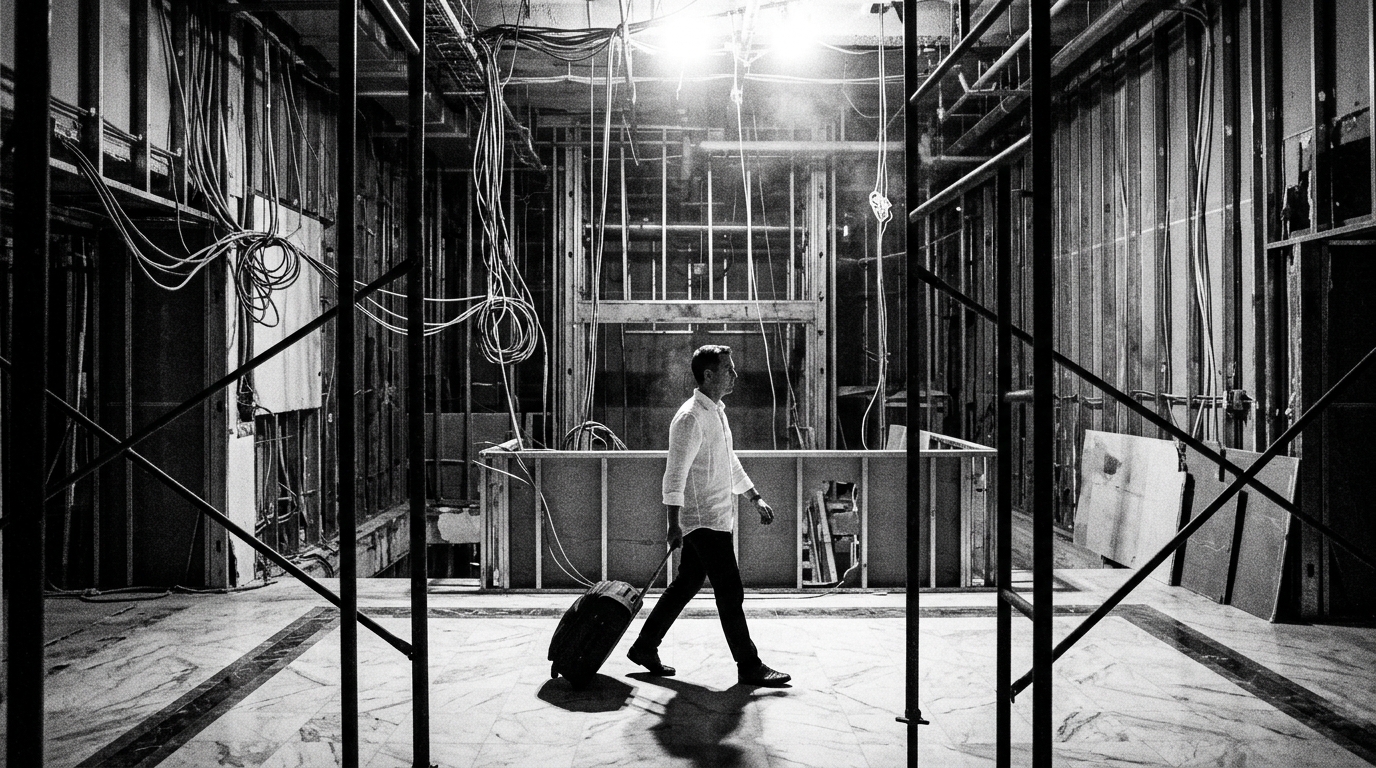
524 rooms. Full gut renovation of guestrooms, lobby, arrival experience, public spaces. A club lounge expanding to three times its current size. And the plan is to do all of this while guests are sleeping, eating breakfast, and walking through the lobby with their surfboards. That is an extraordinarily ambitious technology and logistics challenge that the press release covers in exactly one sentence. Let's talk about what this actually does to the systems running that building.
I consulted with a resort group last year that attempted a phased renovation of 280 rooms while staying open. Their PMS couldn't handle dynamic room-type inventory changes at that scale. Rooms were being sold that were supposed to be offline. Housekeeping assignments were breaking because the system didn't distinguish between "out of order for renovation" and "out of order for maintenance." Rate integrity collapsed because the revenue management system was optimizing against a room count that changed weekly. They ended up managing the renovation sequencing on a shared spreadsheet. A spreadsheet. For a $60 million project. The technology stack at most hotels was not built for the kind of real-time inventory fluidity that a rolling renovation requires. Your PMS tracks rooms. Your RMS prices rooms. Your CRS sells rooms. When 50 to 80 of those rooms are shifting in and out of inventory on a weekly basis, those three systems need to talk to each other with a precision that most integrations simply don't support. Add in the noise complaints, the construction crew scheduling (which has to avoid peak check-in, pool hours, and the dinner service at three on-site restaurants that are staying open), and you're looking at an operational technology challenge that dwarfs the design work.
The other thing nobody's asking... what's the WiFi plan? I'm serious. Construction in a building wired decades ago means you're cutting into walls, rerouting electrical, potentially disrupting the backbone infrastructure that supports guest connectivity, POS systems, digital key access, housekeeping communication, and whatever IoT the property is running. If your access points are ceiling-mounted and you're pulling ceilings apart floor by floor, your network architecture needs a temporary redundancy plan that most properties don't have and most general contractors don't think about. The Dale Test question here is clear... when the WiFi drops on floor 6 at midnight because the crew nicked a cable run, who's fixing it? The night auditor? A construction manager who went home at 5 PM? The guest who paid $450 a night for a "luxury" stay surrounded by drywall dust?
Look, I'm not knocking the investment. Outrigger's track record here is solid... they've completed three major Waikīkī renovations since 2018, including an $80 million project at another beachfront property. They clearly know how to do this. And the "barefoot luxury" positioning is smart (it's specific enough to mean something and flexible enough to execute without requiring a dedicated sommelier on every shift). But the technology execution of a live renovation at this scale is the hardest part of the entire project, and it's the part that gets the least attention because it's not photogenic. Nobody puts the PMS integration timeline in the rendering. They should.
If you're planning a renovation while staying operational... at any scale, not just 524 keys... here's the move. Before your GC swings a hammer, sit down with your PMS provider and your RMS provider and your channel manager and ask one question: "Can your system handle room inventory that changes weekly for six months?" Get the answer in writing. This is what I call the Renovation Reality Multiplier... the promised disruption timeline and the real one are never the same number, and the gap lives in your technology stack. Build your phased plan around system limitations, not design timelines. And budget a dedicated IT resource for the duration of the project. Not your existing guy who also handles the POS and the guest WiFi. A dedicated person whose only job is keeping the building's technology running while someone else takes it apart. That line item will be the best money you spend on the entire renovation.