The World Cup Is Here. Most Hotels in Host Cities Are Quieter Than Expected.
Sports tourism is supposedly an $800 billion industry, and FIFA just kicked off across North America with projections of 21 million hotel room nights. So why is a recent survey showing bookings in most U.S. host cities running behind normal seasonal demand?
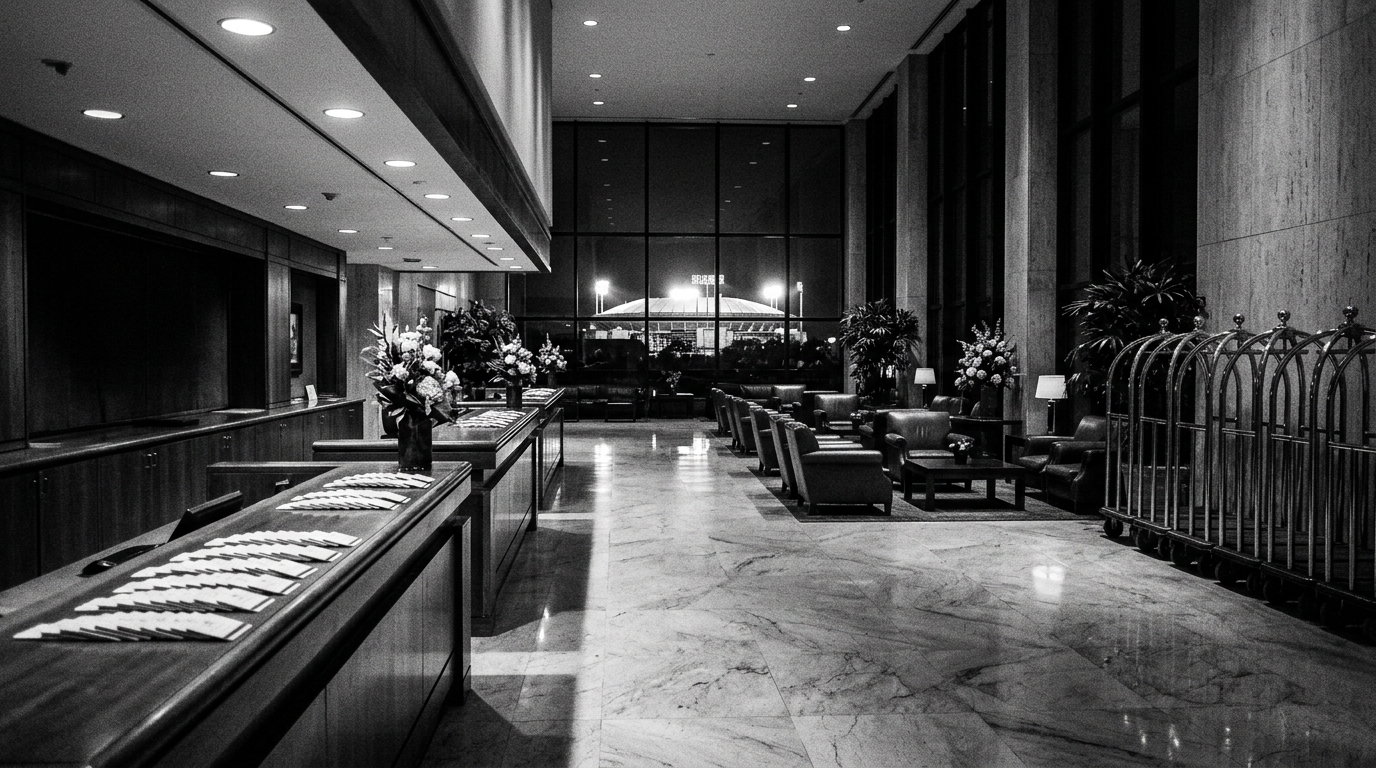
I worked with a GM once who spent six months getting ready for a major college football championship game coming to his city. New linens. Extra staff hired and trained. Revised cancellation policies. Premium rate strategy locked in months out. The game came and went. His hotel ran 74% occupancy that weekend. The Hampton Inn two miles closer to the stadium sold out at twice his rate. He told me afterward, "I prepared for a hurricane and got a rain shower. Except the hurricane hit the guy down the street."
That story is the entire sports tourism conversation in miniature. The money is real. The question is whether it lands on YOUR property or the one with better proximity, better brand distribution, or a smarter OTA strategy.
Here's what's happening right now. The FIFA World Cup is underway across North America. The projections are enormous... $2.4 billion in incremental economic value for U.S. accommodations and food services, 21.3 million room nights across three countries, international travelers staying an average of 12 days and spending $400-plus daily. Marriott alone expects $55 to $65 million in booking fees from the tournament. Expedia is projecting $4.8 billion flowing to hoteliers, an 86% increase from last year. Those are staggering numbers.
And yet. An American Hotel & Lodging Association survey from April found that hotel bookings in most of the 11 U.S. host cities were lighter than expected. Some cities were actually running behind typical seasonal demand. Meanwhile, Airbnb reported their World Cup bookings are expected to surpass the Paris Olympics as their biggest hosting event ever. Read that again. The hotels are underperforming expectations while the alternative accommodations are having a record year. That's not a demand problem. That's a distribution and pricing problem. Hotels priced for the event they imagined, and a meaningful chunk of travelers found somewhere cheaper to sleep. The Super Bowl in Vegas pushed room rates up 257% and averaged $768 a night. That works in Vegas because Vegas IS the experience. In a mid-market host city where the stadium is the only draw? Travelers will sleep 20 minutes away in an Airbnb for a third of the price and Uber to the match.
The bigger play here... and this is what the Hospitality Net piece gets right... isn't the tournament itself. It's the decade after. The cities that win long-term from mega-events are the ones that use the infrastructure investment and global attention to reposition themselves as destinations. The ones that lose are the ones that overbuild for peak demand, spike rates for the event, and then spend three years absorbing oversupply when the circus leaves town. I've seen this movie before. The 2016 Rio Olympics attracted half a million international visitors and generated $1.2 billion in tourism revenue. Beautiful. What nobody talks about is what happened to the hotel market in the two years after... new supply built for the Games competing for demand that went home. The legacy question isn't "how much did we make during the event?" It's "did we build anything that generates demand AFTER the event?" If the answer is just a stadium and some temporary fan zones, you overpaid for a two-week party.
For most hotel operators in host cities, the honest truth is this: mega-events are a windfall for a very small number of properties (stadium-adjacent, luxury tier, group-contracted) and a modest bump for everyone else. The $4.8 billion flowing to hoteliers sounds incredible until you spread it across every property in 16 host cities across three countries. Your share of that number might be a good weekend. Might be a great week. It's probably not going to change your year. And if you overinvested in temporary labor, premium amenities, or aggressive rate strategies banking on demand that went to Airbnb instead... it could actually hurt your month.
If you're a GM in a World Cup host city, pull your actuals from the last two weeks right now and compare them to what you budgeted when you built your event strategy. If you're running behind projection, adjust your remaining rate strategy before the next round of matches... don't hold out for demand that isn't materializing at your price point. This is what I call the Rate Recovery Trap in reverse... you pushed rate up anticipating event demand, and now you're sitting on unsold inventory at premium prices while Airbnb eats your lunch. Better to fill rooms at a rate that still beats your normal comp period than to protect a fantasy number. For owners in host markets thinking about development: the event is not your demand story. Your demand story is the 50 weeks a year when there's no World Cup. Build for that. Everything else is a bonus, not a business plan.