Today · Apr 5, 2026
JW Marriott Is Selling a Puppuccino for Your Dog. And the Brand Strategy Is Smarter Than You Think.

JW Marriott Is Selling a Puppuccino for Your Dog. And the Brand Strategy Is Smarter Than You Think.

A travel writer's stay at the JW Marriott Parq Vancouver with her dog reads like lifestyle fluff, but underneath is a $31 billion pet-friendly hotel market and a World Cup city about to run out of rooms... which means the brands charging $50 for a pet cleaning fee today are leaving real money on the table.

Available Analysis

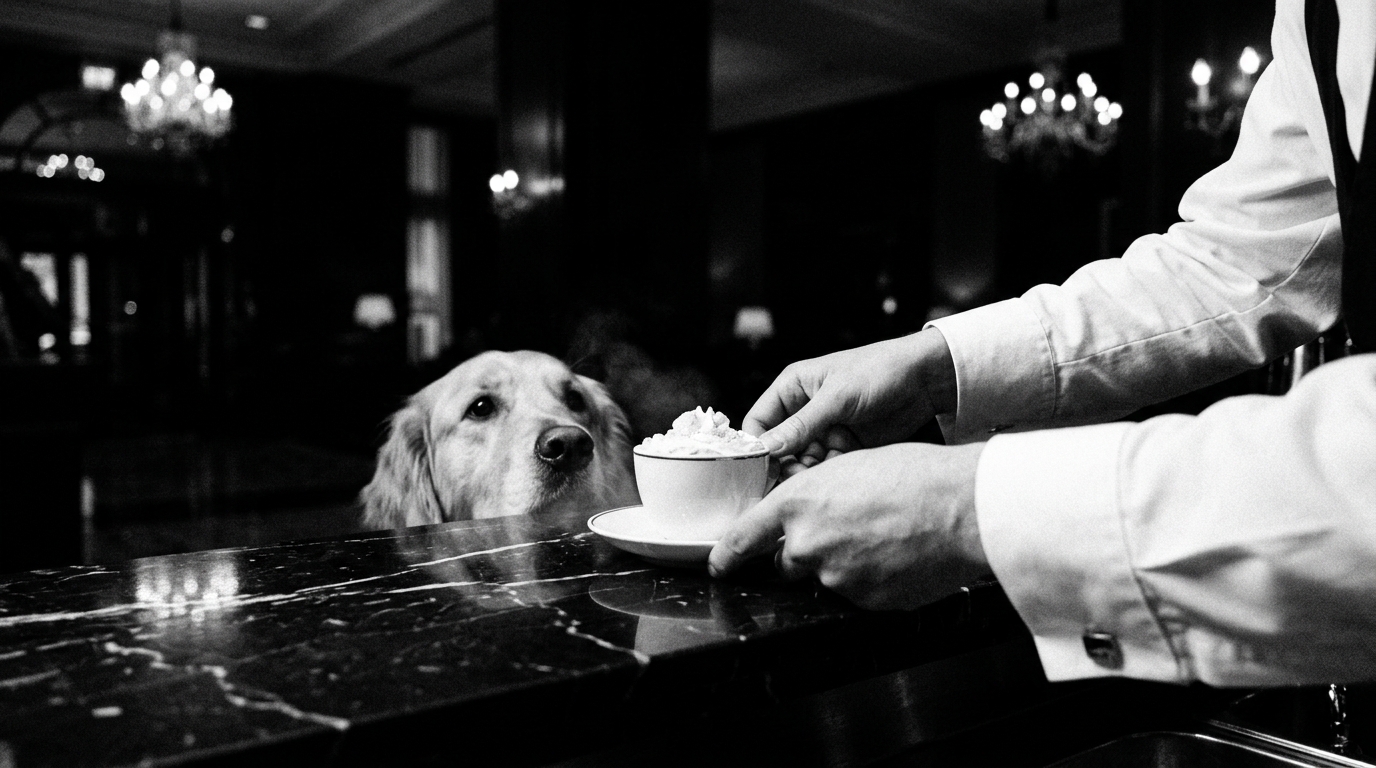
Let me tell you something about the word "curated" that I have learned from fifteen years of brand work and a filing cabinet full of franchise disclosure documents: it means absolutely nothing until somebody has to deliver it at property level. So when I read that the JW Marriott Parq Vancouver is offering a "Very Important Pet package" complete with a custom pet meal and a puppuccino... my first reaction was not "how adorable." My first reaction was "who's making the puppuccino at 6 AM when the lobby bar isn't staffed yet, and did anyone write that into the labor model?"

But here's where I have to give credit. Because this isn't just a cute amenity... this is actually smart brand positioning at exactly the right moment, and the numbers back it up. The global pet-friendly hotel market is projected at roughly $31 billion this year, growing at over 8% annually. The luxury segment alone is headed toward $2.4 billion by 2033. Dogs account for more than 50% of that market. JW Marriott is a luxury brand charging CAD $50 per stay for pet cleaning (or waiving it if you upgrade to the VIP package, which... of course you do, because the upsell psychology is textbook). With Vancouver hosting seven FIFA World Cup matches between June and July, and a Deloitte report projecting a shortfall of 70,000 accommodation nights during a critical nine-day window, every revenue stream matters. Hotels in that market are looking at rates potentially surging over 200%. You know what a pet-traveling guest represents during a supply crunch? A guest who is less price-sensitive, more loyal, and more likely to book direct because they need to confirm the pet policy before they commit. That's not a niche. That's a revenue segment with built-in friction that rewards brands who remove it.

Now here's where the brand strategy gets interesting and where most flags are going to fumble it. Marriott has over 1,500 pet-friendly hotels in the U.S. alone, but the policies are wildly inconsistent... weight limits range from 25 to 75 pounds, fees range from $20 to $150, and the actual guest experience varies from "we tolerate your animal" to "here's a monogrammed dog bowl." That inconsistency is a brand problem. If I'm a pet-traveling luxury guest and I have a great experience at the JW Marriott in Vancouver, I'm going to expect the same thing at the JW Marriott in Austin. And when the Austin property has a different weight limit, no VIP package, and a front desk agent who looks at my dog like I brought a raccoon into the lobby... that's a journey leak. The brand promise broke. The guest doesn't blame the property. The guest blames JW Marriott. (This is the part where I'd pull out my filing cabinet and show you six examples of brands that launched amenity programs at flagship properties and never standardized them across the portfolio. Same movie. Every time.)

What I want to know... and what the Yahoo travel piece doesn't ask because it's not written for operators... is whether Marriott is building this into the brand standard or leaving it as a property-level decision. Because those are two completely different strategies with two completely different outcomes. If it's a standard, then every JW Marriott owner needs to budget for pet amenity infrastructure, staff training, deep-cleaning protocols, and the liability insurance that comes with having animals in a luxury property. If it's optional, then you get the inconsistency problem I just described, and the brand dilutes itself one disappointed dog owner at a time. I've watched brands try to have it both ways... mandate the marketing, delegate the cost. It doesn't work. It never works. The owner absorbs the expense and the brand takes the credit, and if you don't think that creates resentment, you haven't sat across the table from enough franchise owners.

The real opportunity here isn't the puppuccino (though I will admit, reluctantly, that it's a memorable touchpoint and whoever thought of it understands that Instagram is a distribution channel). The real opportunity is that pet-friendly travel is no longer a lifestyle quirk... it's a $31 billion market segment that most hotel brands are serving accidentally instead of strategically. The brands that build real programs around it... consistent policies, trained staff, purpose-designed amenity kits, dedicated room inventory that's actually set up for animals instead of just "allowed"... those brands are going to capture disproportionate loyalty from a guest segment that books more carefully, stays longer, and forgives less when the experience falls short. And in a World Cup market where rooms are about to become the most expensive commodity in Vancouver, the property that can confidently say "yes, bring your dog, here's exactly what to expect" is the property that books first. Can the team at your average JW Marriott execute this on a Tuesday with two call-outs? That's the question. That's always the question.

Operator's Take

Here's what I'd tell any GM at a luxury or upper-upscale branded property right now. Pet-friendly isn't a checkbox on your website anymore... it's a revenue strategy, and if you're treating it like an inconvenience you tolerate, you're losing bookings to the property down the street that figured this out. Pull your pet-stay data for the last 12 months. How many rooms, what was the average rate, what was the incremental revenue from fees and upsells. If you don't have that data separated out, that's your first problem. Second... if you're in a World Cup host city or any major event market this summer, get your pet policy locked down NOW. Clear weight limits, clear fees, clear amenity offering, and make sure your front desk team can explain it in 30 seconds without checking with a manager. This is what I call the Brand Reality Gap... the brand is marketing the puppuccino in Vancouver, but the guest experience lives or dies with the person at your front desk who either knows the program or doesn't. Third, bring this to your owner as a revenue conversation, not an amenity conversation. "We can capture X additional room nights per month from pet travelers at Y premium" is a sentence that gets attention. "We should be nicer to dogs" is not.
— Mike Storm, Founder & Editor
Read full analysis → ← Show less
Source: Google News: Marriott
Detroit's $660K Per Key Convention Hotel Bet. Do the Math on That Subsidy.

Detroit's $660K Per Key Convention Hotel Bet. Do the Math on That Subsidy.

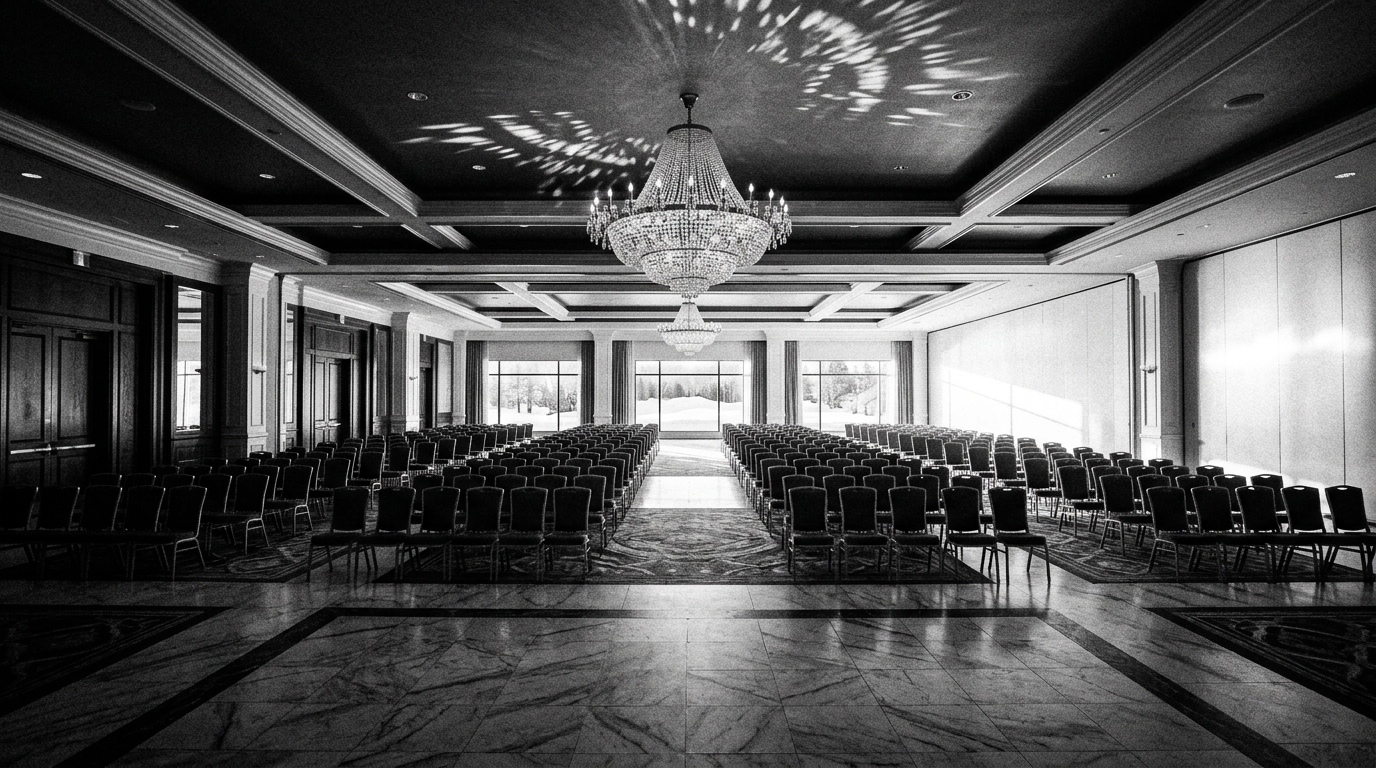
A $396 million, 600-room JW Marriott is rising on the Detroit riverfront with $142 million in tax breaks and a skybridge to the convention center. The question nobody's asking is what happens when the city needs that tax revenue back and the hotel hasn't hit projections.

I sat across from a developer once... sharp guy, good track record... and he told me his new convention hotel was going to "transform the city." I asked him what his stabilized occupancy assumption was. He changed the subject. That conversation was 15 years ago at a different project in a different city, and I can tell you exactly how it ended: the hotel opened late, stabilized slower than projected, and the city spent a decade wondering where the economic impact went.

Detroit's getting a 600-room JW Marriott connected by skybridge to the convention center. Nearly $400 million all-in. That's roughly $660,000 per key for a new-build luxury convention hotel, which honestly isn't outrageous for the product type... comparable convention properties in Nashville and Indianapolis have traded at similar levels. The $142 million in tax incentives underwriting the deal, though... that's where I want to slow down. That's a 30-year Renaissance Zone worth about $130 million plus another $11.6 million in abatements. The city's math says the hotel generates $25.4 million in annual tax revenue and $2.5 billion in economic impact over those 30 years. I've seen these projections before. The revenue number always assumes full stabilization by year three and consistent demand growth through year ten. Reality tends to be less cooperative.

Here's the thing... Detroit genuinely needs this hotel. The convention center has reportedly been losing 12 events a year because there wasn't an attached hotel. The NBA reportedly wouldn't bring an All-Star game without more rooms. The NCAA Final Four is booked for April 2027, essentially timed with the opening. That's real demand. That's not speculative. What concerns me is the supply math around it. Marcus & Millichap projected 1,200 new rooms hitting downtown Detroit, with occupancy expected to dip to 59% during the absorption period. The market's current ADR sits around $126. This JW Marriott is projecting an average rate of $345. That's a 174% premium to the market average. Even with the JW flag and the convention connection, that spread is aggressive. It assumes the hotel operates almost entirely outside the existing comp set, pulling demand that currently goes to other cities, not other Detroit hotels. That's the bet. And it might be right. But if convention bookings underperform those projections by even 15-20%, the flow-through math on a $400 million asset gets ugly fast.

The developer, Sterling Group, has already secured $252 million in financing through Ullico, the union labor insurance company. That's smart... union labor financing for a union-built hotel creates alignment. And they're already booking room blocks through 2029, which suggests genuine market confidence. But I've watched convention hotels in a half-dozen cities open with strong advance bookings and then struggle to fill the gaps between events. Convention demand is lumpy. You're sold out for three days, then you're running 45% for the next week. Your F&B operation (three restaurants, a spa, a 50-foot lap pool) has fixed costs that don't care whether there's a convention in-house or not. At $660K per key, the debt service alone demands consistent high-rate performance. The 30-year tax break helps the developer's return, but it doesn't help the operator fill Tuesday nights in February.

What I'll be watching is the gap between what the city was promised and what gets delivered. $2.5 billion in economic impact over 30 years is $83 million a year. That's a bold number for a single hotel, even a 600-room convention property. If the JW Marriott Detroit delivers 70% of that projection, the city probably still comes out ahead. If it delivers 50%, someone's going to be asking why $142 million in tax breaks went to a hotel that generates less revenue than promised. That's the math that matters... not whether the hotel opens (it will), not whether it's beautiful (it will be), but whether the economic assumptions that justified $142 million in public money hold up when the projection meets a Tuesday night in January with no convention on the books.

Operator's Take

If you're running a hotel in downtown Detroit right now, the next 18 months are going to reshape your market. A 600-room luxury property with $345 average rate is going to pull group business you've never competed for... but it's also going to compress your rate ceiling on the citywide events you currently benefit from. Run your group pace against the convention calendar for 2027 and beyond. Identify the events where you've been the overflow hotel and figure out which ones this JW Marriott absorbs entirely. For independent and select-service operators within three miles of the convention center, this is what I call the Three-Mile Radius in action... your revenue ceiling just changed. Don't wait to see it in the numbers. Adjust your mix strategy now, lean harder into transient and extended-stay segments where a $345-per-night convention hotel isn't competing with you, and get your rate positioning locked before 600 new rooms start showing up in the comp set data.

Read full analysis → ← Show less
Source: Google News: Marriott
Luxury Wellness Residencies Are Brand Theater... And They're Working

Luxury Wellness Residencies Are Brand Theater... And They're Working

JW Marriott flies a sound healer to the Maldives for three weeks, and somewhere a brand VP is calling it "strategy." But here's the thing... there's a $35 billion reason this keeps happening, and it has nothing to do with chakras.

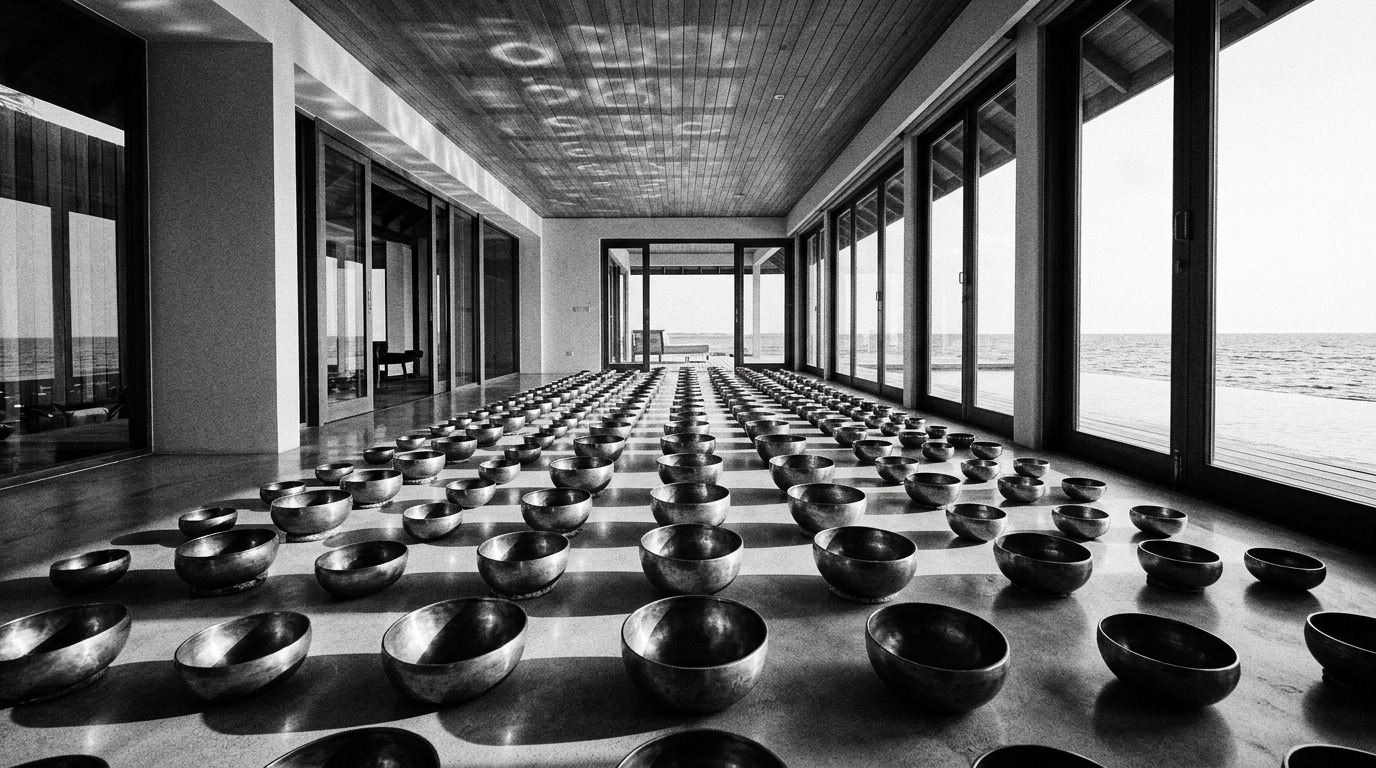
A luxury resort in the Maldives just hosted a wellness practitioner for 24 days of singing bowls, Reiki, crystal energy work, and something called "Female Taoist practices." The press release reads like a spa menu written by someone who spent a semester in Bali. And my first instinct... the same instinct most operators have... is to roll my eyes so hard I can see my own brain.

But here's where I stop myself. Because the global luxury spa hotel market is projected to hit $35 billion this year. The broader spa industry is on track for $185 billion by 2030. And 90% of high-net-worth travelers now say wellness offerings factor into their booking decisions. Ninety percent. You don't have to believe in chakra balancing to believe in those numbers. This isn't a wellness story. It's a revenue management story wearing yoga pants.

I knew a resort GM years ago who fought his ownership group for six months over bringing in a visiting wellness practitioner. They thought it was fluff. He ran the numbers differently. He tracked length of stay for guests who booked wellness programming versus those who didn't. The wellness guests stayed 1.8 nights longer on average and spent 40% more on F&B. Not because the sound bath changed their life. Because the programming gave them a reason to stay another day, and another day meant another dinner, another spa treatment, another $600 in ancillary revenue. The practitioner cost him maybe $15,000 all-in for the residency. The incremental revenue wasn't even close. Ownership stopped arguing.

That's the lens for this JW Marriott move. This is their second Maldives property, opened barely a year ago. They need differentiation. They need press. They need a reason for the travel advisor to recommend them over the 147 other luxury properties in the Maldives competing for the same guest. A visiting wellness residency checks all three boxes at a fraction of the cost of a permanent program. You don't have to staff a year-round wellness team (good luck finding and retaining that talent on an island, by the way). You get a burst of content, a burst of bookings, and a story to tell. Then the practitioner leaves and you bring in the next one. It's a rotating programming model, and it's honestly pretty smart if you execute it right. The risk is low, the upside is real, and the worst case is you spent some money on a program that generated press coverage you couldn't have bought for twice the price.

Where this gets dangerous is when brands start mandating it down to properties that can't support it. A $35 billion wellness market sounds great until your brand decides every JW Marriott needs a full-spectrum wellbeing program and starts adding wellness requirements to PIPs. That's when the resort in the Maldives becomes the template for a convention hotel in Indianapolis, and some poor GM is trying to find a Reiki healer in central Indiana because brand standards now require "transformative wellness touchpoints." I've seen this movie before. The luxury tier does something genuinely cool and appropriate for their market. Corporate sees the press coverage. Someone at headquarters writes a memo. And 18 months later, every property in the system is buying singing bowls. The concept was never the problem. The copy-paste was.

Operator's Take

If you're running a luxury or upper-upscale resort, visiting practitioner residencies are one of the highest-ROI programming moves you can make right now. Track length of stay and ancillary spend for wellness guests versus non-wellness guests... that's your business case for ownership. If you're a branded GM at a non-resort property and you see wellness mandates coming down the pike, get ahead of it. Build a version that works for YOUR market and YOUR staffing before someone at brand HQ builds one for you that doesn't.

Read full analysis → ← Show less
Source: Google News: Marriott
A $57M Hotel Sold for $25M Is Now Getting the JW Marriott Sign. Let's Talk About What That Really Means.

A $57M Hotel Sold for $25M Is Now Getting the JW Marriott Sign. Let's Talk About What That Really Means.

Stonebridge picked up the W Atlanta Downtown at a 56% discount through a deed-in-lieu of foreclosure, and now they're converting it to a JW Marriott just in time for the World Cup. This is either brilliant opportunistic repositioning or the most expensive bet on a single summer event since someone built a hotel next to an Olympic village.

Available Analysis

So here's a story that has everything... a distressed asset, a brand swap, a mega-event on the horizon, and a price per key that should make every owner in America stop scrolling. Stonebridge Companies bought the 237-room W Atlanta Downtown in December 2023 for $24.8 million. That's roughly $105,000 per key for a downtown Atlanta hotel. The previous owner, Ashford Hospitality Trust, paid $56.75 million for the same property in 2015. Let that math sit with you for a second. Ashford didn't just lose money on this deal... they surrendered it through a deed-in-lieu of foreclosure as part of a broader strategy to offload 19 underperforming hotels and shed approximately $700 million in debt. This property has been foreclosed on twice now (2010 and 2023), which means two different ownership groups looked at this asset and said "we can't make this work." And now a third group is saying "hold my old fashioned, we're going JW Marriott." The confidence is... something.

Here's where it gets interesting from a brand perspective, and where I have opinions. The W brand is effectively exiting Atlanta entirely with this conversion. That's not a small thing. When a lifestyle brand loses every property in a major market, that's not "strategic repositioning"... that's retreat. And the replacement brand matters. JW Marriott is a very different promise than W. W says "we're cool, we're nightlife, we're the lobby scene." JW says "we're refined, we're consistent, we're the place your company books when they want luxury without surprises." Those are fundamentally different guests, different F&B concepts, different staffing models, different everything. You don't just change the sign and swap the playlist. You're rebuilding the entire service culture from scratch with (presumably) many of the same team members who were trained to deliver a completely different experience. I've watched three different flags try this kind of repositioning... lifestyle to traditional luxury... and the ones that succeed are the ones that invest as much in retraining as they do in renovation. The ones that fail are the ones that put all the money into the lobby and hope the staff figures it out.

The timing tells you everything about the thesis. Spring 2026 opening, FIFA World Cup in Atlanta in June 2026. Stonebridge is betting that they can ride the wave of a massive international event to establish rate positioning for a newly converted luxury property. And look, that's not crazy... Atlanta's hotel construction pipeline was the second largest in the U.S. in Q4 2025, which means the market believes in this city's trajectory. But here's the part the press release left out: what happens in July? And August? And the 50 weeks a year when there ISN'T a World Cup in town? The real question isn't whether JW Marriott Atlanta Downtown will have a great June 2026. Of course it will. Every hotel in downtown Atlanta will have a great June 2026. The real question is whether the brand conversion generates enough sustained loyalty contribution and rate premium to justify itself over a full cycle, in a market that's about to absorb a LOT of new supply.

Now, I want to talk about something that's actually fascinating here, which is the "Mindful Floor" concept... 24 wellness-focused rooms that would be the first of their kind for JW Marriott in the U.S. This is the kind of thing that sounds beautiful in a rendering and I genuinely want to know: what does it cost to operate? What's the rate premium? What happens when the aromatherapy diffuser breaks at 2 AM and the guest calls down to a front desk agent who has never heard of a "Mindful Floor" because they started last Tuesday? (I'm not being sarcastic. I actually love this concept in theory. But the Deliverable Test is the Deliverable Test, and "wellness floor" has to survive contact with a Tuesday night skeleton crew or it's just a marketing page on Marriott.com.) I sat in a brand review once where the VP of design spent 40 minutes walking us through a wellness concept and couldn't answer a single question about housekeeping protocols for the specialty linens. Forty minutes of vision. Zero minutes of operations. That's brand theater.

Here's what I'll be watching. The $105K per key acquisition cost gives Stonebridge extraordinary cushion... they could spend $40,000-50,000 per key on renovation and still be all-in at a number that makes the math work at reasonable cap rates. That's the advantage of buying distressed. You get to play with house money on the upside. But the brand conversion is where it gets real. Total brand cost for a JW Marriott... franchise fees, loyalty assessments, reservation system fees, PIP compliance, brand-mandated vendors... you're looking at 15-18% of revenue easily. That loyalty contribution better be real, and it better show up in the STR data by Q1 2027, or this is just a prettier version of the same problem that put this hotel into foreclosure twice. My filing cabinet has a lot of franchise sales projections in it. The variance between what was projected and what was delivered should keep every owner up at night. Stonebridge got the bones at the right price. Now they need the brand to deliver on the promise. And that... that's where the story actually begins.

Operator's Take

If you're an owner who's been pitched a brand conversion... especially lifestyle to traditional luxury... pull the actual loyalty contribution data for comparable JW Marriott properties in similar urban markets. Not the projections. The actuals. Then stress-test your model at 70% of that number and see if the deal still works. And if you're a GM inheriting a conversion like this, your number one job right now isn't the renovation timeline... it's the retraining plan. Get your service culture roadmap locked in before the new sign goes up. The sign is the easy part.

— Mike Storm, Founder & Editor
Read full analysis → ← Show less
Source: Google News: Marriott
End of Stories