Luxury Wellness Residencies Are Brand Theater... And They're Working
JW Marriott flies a sound healer to the Maldives for three weeks, and somewhere a brand VP is calling it "strategy." But here's the thing... there's a $35 billion reason this keeps happening, and it has nothing to do with chakras.
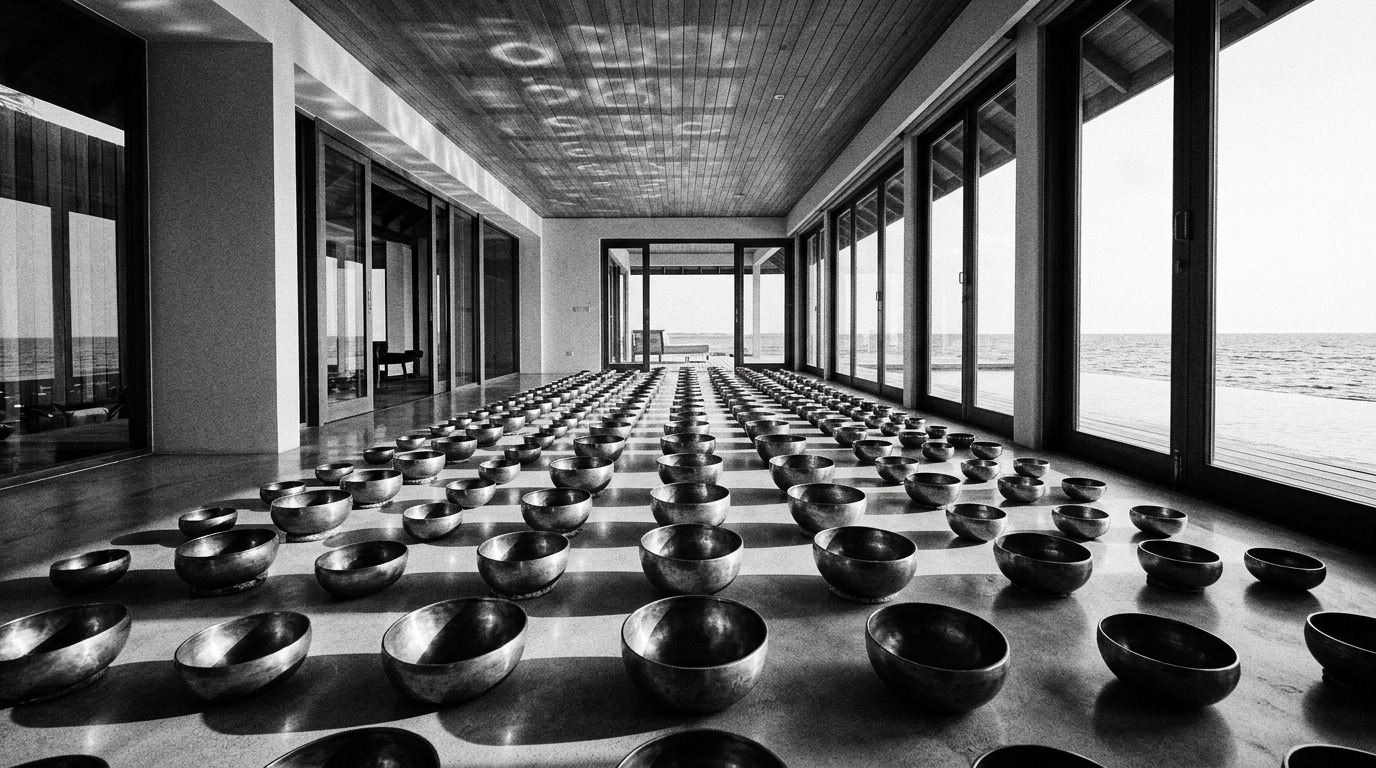
A luxury resort in the Maldives just hosted a wellness practitioner for 24 days of singing bowls, Reiki, crystal energy work, and something called "Female Taoist practices." The press release reads like a spa menu written by someone who spent a semester in Bali. And my first instinct... the same instinct most operators have... is to roll my eyes so hard I can see my own brain.
But here's where I stop myself. Because the global luxury spa hotel market is projected to hit $35 billion this year. The broader spa industry is on track for $185 billion by 2030. And 90% of high-net-worth travelers now say wellness offerings factor into their booking decisions. Ninety percent. You don't have to believe in chakra balancing to believe in those numbers. This isn't a wellness story. It's a revenue management story wearing yoga pants.
I knew a resort GM years ago who fought his ownership group for six months over bringing in a visiting wellness practitioner. They thought it was fluff. He ran the numbers differently. He tracked length of stay for guests who booked wellness programming versus those who didn't. The wellness guests stayed 1.8 nights longer on average and spent 40% more on F&B. Not because the sound bath changed their life. Because the programming gave them a reason to stay another day, and another day meant another dinner, another spa treatment, another $600 in ancillary revenue. The practitioner cost him maybe $15,000 all-in for the residency. The incremental revenue wasn't even close. Ownership stopped arguing.
That's the lens for this JW Marriott move. This is their second Maldives property, opened barely a year ago. They need differentiation. They need press. They need a reason for the travel advisor to recommend them over the 147 other luxury properties in the Maldives competing for the same guest. A visiting wellness residency checks all three boxes at a fraction of the cost of a permanent program. You don't have to staff a year-round wellness team (good luck finding and retaining that talent on an island, by the way). You get a burst of content, a burst of bookings, and a story to tell. Then the practitioner leaves and you bring in the next one. It's a rotating programming model, and it's honestly pretty smart if you execute it right. The risk is low, the upside is real, and the worst case is you spent some money on a program that generated press coverage you couldn't have bought for twice the price.
Where this gets dangerous is when brands start mandating it down to properties that can't support it. A $35 billion wellness market sounds great until your brand decides every JW Marriott needs a full-spectrum wellbeing program and starts adding wellness requirements to PIPs. That's when the resort in the Maldives becomes the template for a convention hotel in Indianapolis, and some poor GM is trying to find a Reiki healer in central Indiana because brand standards now require "transformative wellness touchpoints." I've seen this movie before. The luxury tier does something genuinely cool and appropriate for their market. Corporate sees the press coverage. Someone at headquarters writes a memo. And 18 months later, every property in the system is buying singing bowls. The concept was never the problem. The copy-paste was.
If you're running a luxury or upper-upscale resort, visiting practitioner residencies are one of the highest-ROI programming moves you can make right now. Track length of stay and ancillary spend for wellness guests versus non-wellness guests... that's your business case for ownership. If you're a branded GM at a non-resort property and you see wellness mandates coming down the pike, get ahead of it. Build a version that works for YOUR market and YOUR staffing before someone at brand HQ builds one for you that doesn't.