Delhi is India's capital and a major hotel market characterized by significant demand volatility driven by conferences and large-scale events. The market has demonstrated substantial rate acceleration during major summits, with properties experiencing notable ADR spikes when hosting or accommodating delegates for high-profile conferences such as the India AI Summit and AI Impact Summit 2026.
Leading hospitality operators in Delhi include Taj, ITC, and Oberoi, which compete across luxury and upper-midscale segments. The market's performance is heavily influenced by event-based demand patterns, making revenue management strategy critical for operators. Hotels in this market must balance peak pricing opportunities during major conferences against the risk of rate volatility and potential demand gaps between events. Understanding Delhi's event calendar and implementing dynamic pricing strategies are essential for optimizing RevPAR in this market.

IHG just named new General Managers at two Holiday Inn Express properties in India, and nobody would blink at that headline alone. But when you zoom out to the 400-hotel pipeline IHG is building across the subcontinent, those appointments start telling a very different story about who's actually going to run all of this.
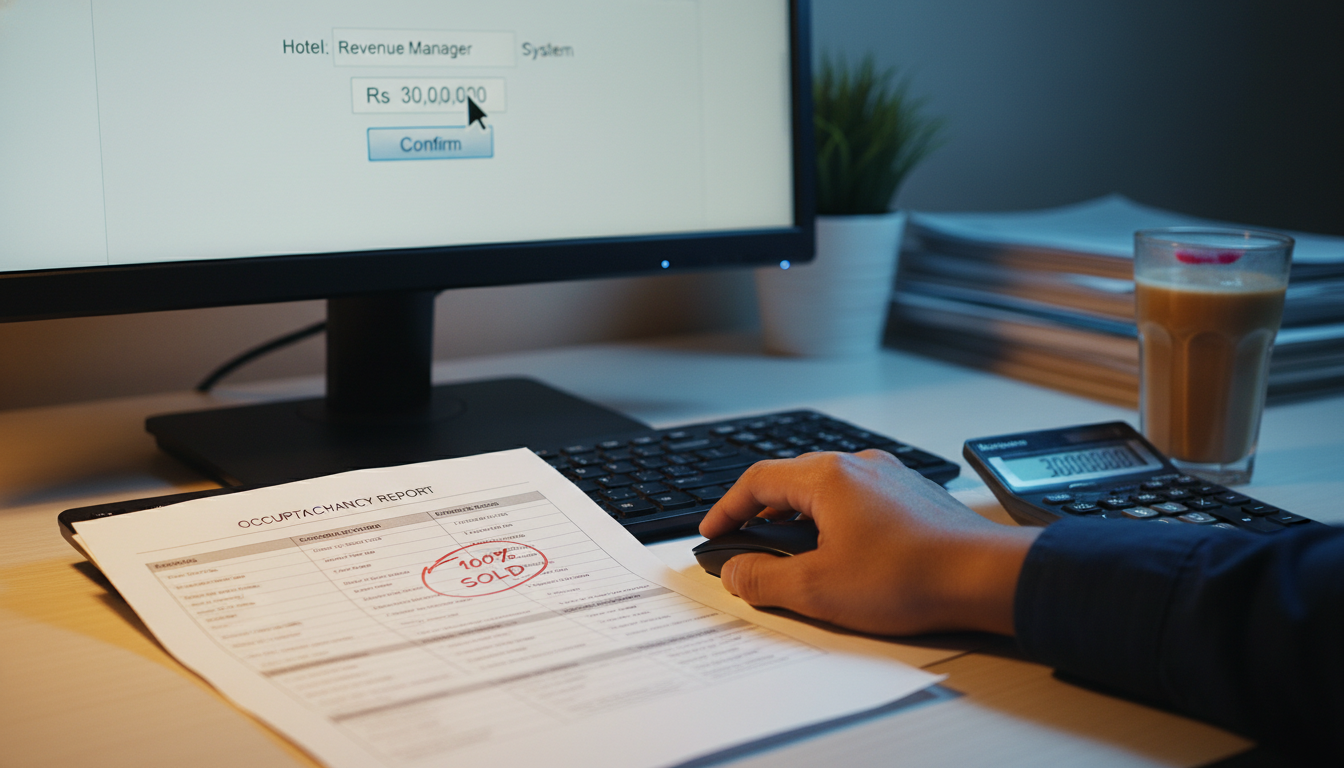
Delhi hotels are charging $35,000 per night for the India AI Summit. It's not price gouging—it's a masterclass in what happens when governments finally understand hotel economics.

Delhi's luxury hotels are printing money this week as AI Summit 2026 sends rates through the roof. But if you're celebrating surge pricing as a win, you're missing what just changed forever about corporate travel budgets.
📡
Get the Briefing Every Morning at 6AM
Join hotel operators, owners, and investors who start their day with InnBrief.
Free forever. Unsubscribe anytime. No spam — just signal.
Five-star hotels in Delhi are gouging rates for a 2026 AI conference — and if you're not doing the same thing in your market when demand spikes, you're leaving serious money on the table.