Paradise City's $151M Hotel Grab Is a Casino Play Wearing a Hyatt Badge
When a Korean casino operator pays $151 million for a 501-room hotel tower and slaps a Hyatt Regency flag on it, the press release says "luxury and healing." The spreadsheet says "comp rooms." Let's talk about what's actually happening here.
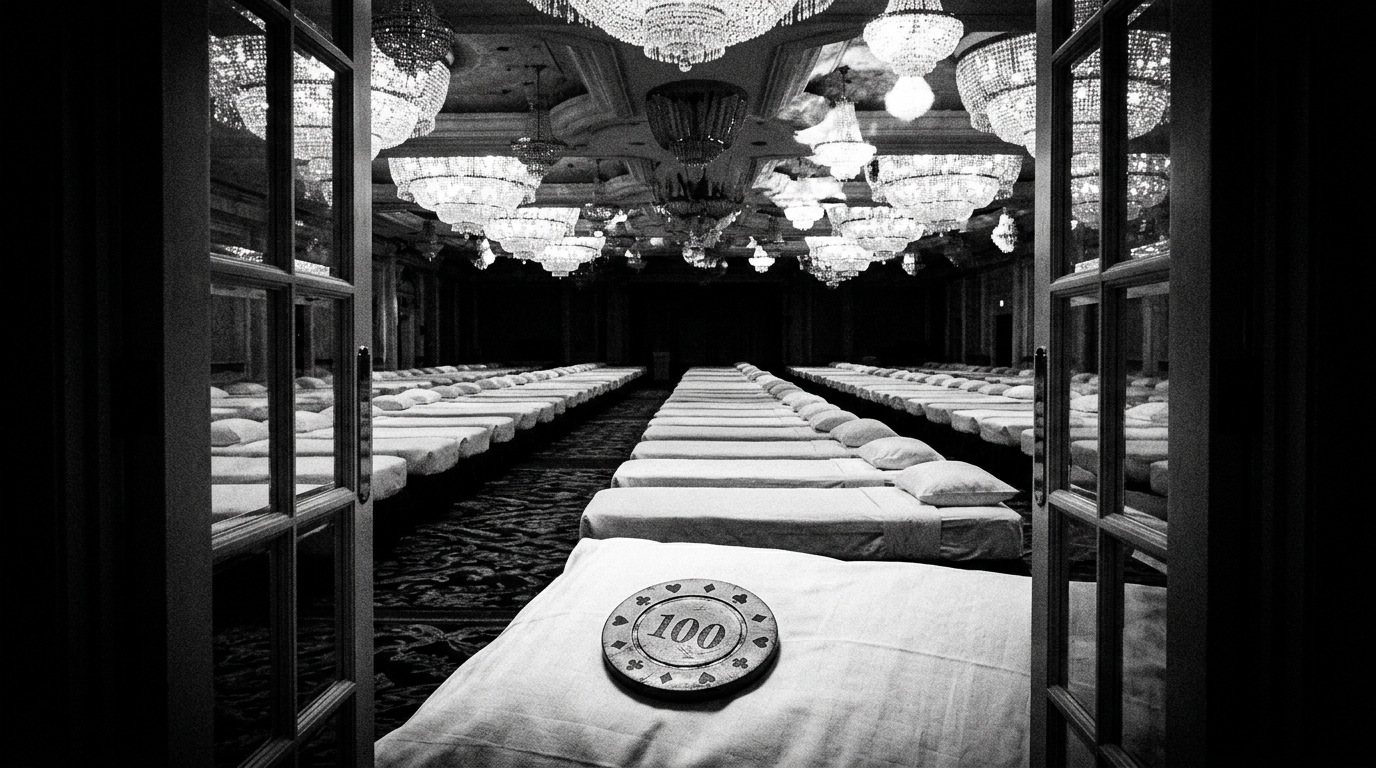
I've seen this movie before. Different continent, different currency, but the same plot. A casino operator runs out of hotel rooms to comp to their players, watches revenue walk across the street to a competitor, and suddenly discovers a deep passion for "luxury hospitality experiences." Paradise Co. just paid roughly $301,000 per key for the old Grand Hyatt Incheon west tower, rebranded it Hyatt Regency Incheon Paradise City, and opened the doors March 9th. The marketing copy talks about "igniting new dreams of luxury and healing for global travelers." The analyst reports from IBK Securities and Hanwha tell a different story... comp room inventory just jumped from 150 to 650. That's not a hotel strategy. That's a casino feeding program.
And look, it's a smart casino feeding program. Paradise City was losing ground to Jeju Dream Tower in the second half of 2025 specifically because they didn't have enough rooms to house the Chinese tour groups that drive mass-market table revenue. When you're a foreigner-only casino operation and you can't put heads in beds, you're leaving money on the felt. Paradise Co. posted KRW 181.2 billion in casino sales for January and February of 2026... a 26.1% year-over-year jump... with a weak won making Korea cheaper for Japanese and Chinese visitors. The timing of this acquisition is not accidental. They need bodies in that casino, and bodies need pillows.
Here's what's interesting from a brand perspective. Hyatt gets to add 501 keys to their system count (total Paradise City inventory now sits at 1,270 rooms across Hyatt-branded properties), collect management fees, and book the growth in their Asia-Pacific pipeline... all without deploying a dollar of their own capital. That's the asset-light playbook working exactly as designed. Hyatt reported 7.3% net rooms growth for 2025 and 9% RevPAR growth in their luxury segment. Deals like this are how you keep those numbers moving. The question nobody in the Hyatt earnings call is going to ask is whether the Hyatt Regency brand gets diluted when 501 rooms are functionally operating as casino support inventory. Because a hotel where a significant chunk of your occupancy comes from comped casino patrons doesn't run like a typical Hyatt Regency. The F&B demands are different. The housekeeping patterns are different. The noise complaints are... different.
I sat in on a casino resort conversion once where the operator kept telling the brand team "we're a hospitality company that happens to have a casino." The brand team nodded along. Six months in, the GM was fielding calls at 3 AM about guests who'd been at the tables for 14 hours and were now having loud arguments in the hallway. The brand standards manual didn't have a chapter for that. The point isn't that casino hotels are bad. The point is that they're a fundamentally different operating model, and wrapping them in lifestyle marketing language about "healing journeys" doesn't change what happens on the ground floor at 2 AM.
For the Hyatt faithful watching the pipeline numbers, this is a net positive. More rooms, more fee income, more Asia-Pacific presence. For Paradise Co., this is about getting their casino revenue back on track after ceding the top spot in Korean foreigner-only gaming. The $151 million acquisition price looks reasonable when you calculate the incremental gaming revenue those 500 additional comp rooms could generate... analysts are projecting longer patron stays and higher drop amounts. But if you're an owner or operator in the Asia-Pacific market watching this and thinking "integrated resort partnerships are the future," pump the brakes. This works because Paradise Co. has a captive demand generator bolted to the hotel. The casino IS the distribution channel. Without it, you're paying $301K per key for a rebranded airport-adjacent hotel tower in Incheon and hoping Hyatt's loyalty engine fills the gap. That's a very different bet.
If you're managing or owning a hotel adjacent to a casino operation anywhere in Asia-Pacific, pay attention to the comp room math here. Paradise City quadrupled their comp inventory from 150 to 650 rooms... that's the number that matters, not the brand flag. Ask your casino partner exactly how many room-nights per month they need and what they're willing to guarantee. If you're a Hyatt operator watching the pipeline, understand that not all 501 of those keys are going to show up as traditional transient or group bookings in your comp set data. Casino-fed hotels skew every benchmark, so adjust accordingly when you're comparing your property's performance against the region.