Portland Marriott Waterfront Sells for $30M. Someone Paid $82.7M in 2013.
A 506-key downtown Portland Marriott just traded at $59 per key. That number tells you everything about what's happening in distressed urban hotel markets right now... and what the buyer is betting on.
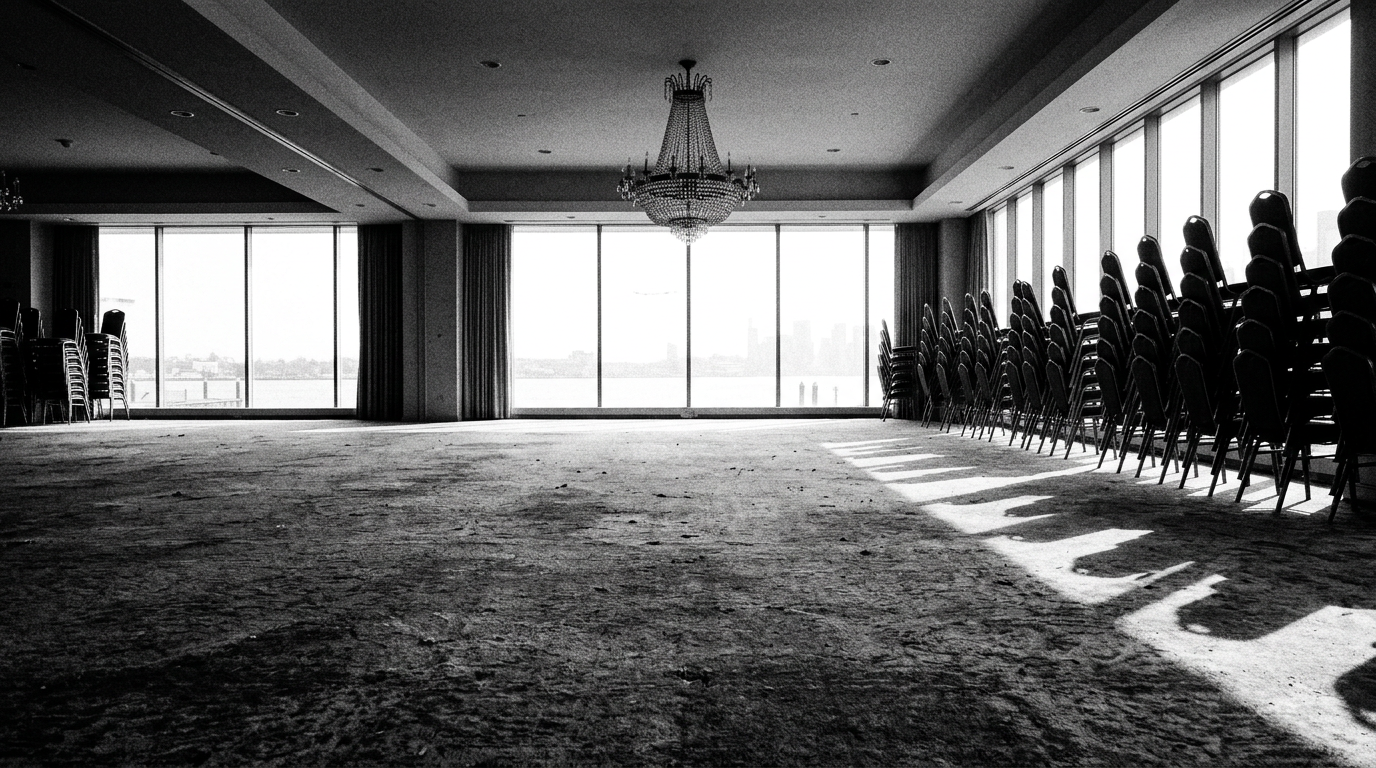
$30 million for a 506-key full-service Marriott on the waterfront in Portland. That's $59,288 per key. The previous owner paid $82.7 million in 2013 and refinanced with a $71 million loan in 2018. They stopped making payments in February 2024. The loss here is total. Not partial. Total.
Let's decompose this. A $71 million loan on a property that just sold for $30 million means the lender ate roughly $41 million (before fees, carrying costs, receivership expenses). The equity from the 2013 acquisition... gone. Every dollar. The per-key price implies the buyer is underwriting this at something close to a 10-12% cap rate on current NOI, or (more likely) they're pricing off a recovery scenario where Portland's upper upscale segment climbs back toward pre-pandemic RevPAR. That segment is still down over 22% from 2019 levels. Occupancy has dropped 11 points. The buyer, linked to a New York-based opportunistic fund that has acquired 68 hotel properties, is not buying today's cash flow. They're buying optionality on a city that might recover in 3-5 years. "Might" is doing a lot of work in that sentence.
The Portland context makes this worse. Downtown office vacancy hit 34.6% in late 2025. Retail vacancy: 32%. The 20 largest office buildings in Portland collectively lost nearly 70% of their market value since 2019. Leisure and hospitality employment in the county is still 15% below pre-pandemic. This isn't a hotel problem. This is a city problem. A 506-key convention-oriented Marriott needs group business, corporate transient, and a functioning downtown to generate the NOI its capital structure requires. Portland is delivering none of those at pre-pandemic levels.
I audited a distressed hotel sale once where the new buyer's pro forma assumed a 40% NOI increase within 36 months. When I asked what operational changes justified that assumption, the answer was "market recovery." That's not underwriting. That's a prayer with a spreadsheet attached. The buyer here may have a more sophisticated thesis (their fund has done $24 billion in gross real estate acquisitions), but the fundamental question remains: what specifically changes in downtown Portland that turns a $30 million basis into a profitable hold? The Marriott management agreement is long-term, which means fees are fixed regardless of whether the asset earns its cost of capital. The new owner is paying Marriott either way.
The real number for anyone watching distressed hotel transactions: 63.8% value destruction in 13 years on a branded, full-service, waterfront asset in a top-40 market. That's the data point. If you're an asset manager holding upper upscale hotels in challenged urban cores (and you know which cities I'm talking about), this comp just reset your downside scenario. Check again.
Here's what I'd tell you if we were talking. If you're an owner or asset manager sitting on a full-service hotel in a downtown market that hasn't recovered... Portland, San Francisco, a handful of others... stop using 2019 comps for your hold analysis. They're fiction now. Run your downside off current trailing NOI, not the recovery you're hoping for. And if your debt service coverage is getting tight, have the conversation with your lender NOW, not after you've missed a payment. The guy who owned this Portland asset waited. It cost him everything.