Today · Apr 23, 2026
When a Conference Makes Your Rack Rate Look Like a Typo

When a Conference Makes Your Rack Rate Look Like a Typo

Delhi hotels are charging $35,000 per night for the India AI Summit. It's not price gouging—it's a masterclass in what happens when governments finally understand hotel economics.

There's a revenue manager somewhere in Delhi right now staring at a screen, finger hovering over the 'confirm' button, about to set a rack rate of Rs 30 lakh—roughly $35,000 USD—for a single night.

I guarantee you they've triple-checked the decimal point.

The India AI Summit kicks off this week, and luxury hotels across Delhi have entered a pricing dimension that makes Super Bowl weekend look like a shoulder season church group. We're talking about rates that would normally require a signed letter from your CFO and a background check.

But here's what's actually happening—and why every operator should be paying attention.

This isn't price gouging. This is what perfect storm demand looks like when a government actually books an entire city's luxury inventory in advance. India's throwing a coming-out party for its AI ambitions, and they've reportedly pre-blocked massive chunks of top-tier properties. The Oberoi, The Leela, Taj Palace—all effectively operating as floating inventory for heads of state, tech CEOs, and the kind of delegates who travel with three-person advance teams.

What's left? Scraps. And scraps in a true sellout market trade at whatever number your system can technically accept.

I've seen this movie before on a smaller scale. When the UFC booked out our downtown Vegas property for an international fight week, we had exactly seven rooms not contracted to their block. Seven. Our revenue manager set rates so high we thought they'd stay empty out of principle. They sold in four hours—to people who would've paid double.

That's the holy shit moment nobody talks about in revenue management courses: True scarcity doesn't follow your curve. It doesn't care about your comp set. It creates its own market where the only comp is 'available' versus 'not available.'

But here's the deeper play that Delhi's luxury operators are running—and it's smarter than just riding the spike.

They're creating a reference point. Every corporate travel manager, every luxury traveler, every regional meeting planner is seeing these numbers. When rates return to Rs 50,000 next month, it won't feel expensive anymore. It'll feel like catching a break. Anchoring theory isn't just for restaurants—it works even better in hospitality because we're selling something that literally doesn't exist tomorrow.

The risk? There isn't one. Not really. At these demand levels, the calculus is simple: You either capture the maximum value of your scarcest asset, or you leave a down payment on a Ferrari sitting on the table. And unlike overshooting on a random Tuesday in March, overshooting during a confirmed sellout just means you didn't overshoot enough.

What kills me is how many operators in secondary markets still haven't internalized this lesson. They see a citywide event coming, check their comp set, and add 20%. Meanwhile, someone books out 200 rooms at their 'inflated' rate for a corporate block because it's still cheaper than the alternative.

During the Super Bowl in Vegas, I watched properties that normally compete on rate suddenly realize they weren't competitors at all—they were just different price tiers of the same sold-out market. The guy charging $800 sold out. The guy charging $2,400 sold out. The guy who got nervous and held at $650? Also sold out, just with less profit.

You know what the real India AI Summit effect is? It's not the Rs 30 lakh rate—that's a headline. It's the reminder that in true scarcity markets, your only competition is your own nerve.

Most hotels will see this story and think "interesting anomaly." Smart operators will ask themselves: When's my Delhi moment, and will I have the guts to price it correctly?

Operator's Take

For GMs with citywide sellouts coming: Stop checking your comp set and start checking alternative accommodations 50 miles out. When those are sold out too, you're not charging enough. The only thing worse than guest sticker shock is shareholder questions about why you left 40% on the table during the one week a year when market dynamics were entirely in your favor.

Read full analysis → ← Show less
Source: Google News: Luxury Hotels
A Diamond, a Helicopter, and the Valentine's Package That Just Changed the Game

A Diamond, a Helicopter, and the Valentine's Package That Just Changed the Game

JA The Resort just made every other Valentine's offering look like a box of drugstore chocolates. One couple. One precious diamond. And a price tag that's either brilliant marketing or completely insane.

The first time I watched a guest propose poolside at a Vegas property, the ring was bigger than my monthly car payment. The champagne was comped. The photographer was her cousin with an iPhone. Total resort revenue from that moment? Maybe $800 in room and dining.

That was ten years ago. The game has changed.

JA The Resort just announced they're offering one couple—just one—an ultra-luxury Valentine's escape that includes a precious diamond. Not a discount on a diamond. Not a voucher. An actual diamond. Plus helicopter transfers, private yacht excursions, couples' spa journeys, and accommodations so exclusive they're not even listing the price publicly.

This is the hotel equivalent of Willy Wonka's golden ticket, and it's the smartest Valentine's play I've seen in years.

Here's why this matters: Every resort does Valentine's packages. Champagne and strawberries. Rose petals on the bed. Maybe a couples massage if you're fancy. The going rate? $500 to $2,000 per couple, and you're competing with 47 other properties in your market doing the exact same thing.

JA The Resort just opted out of that fight entirely.

By creating a package so audacious that only one couple can book it, they've generated more press coverage than any traditional Valentine's promotion could buy. This story is running everywhere. The waiting list for when they announce next year's version is probably already forming. And every other guest who books a regular room this Valentine's will feel like they're staying at the property that does extraordinary things.

The holy shit moment? The diamond isn't even the smartest part. It's making it exclusive to ONE couple. Scarcity isn't just a pricing strategy anymore—it's a storytelling strategy. You can't manufacture that kind of buzz with Instagram ads.

This is luxury hospitality finally understanding what luxury fashion figured out decades ago: The waiting list is more valuable than the sale. The story is more powerful than the product. And sometimes the best marketing move is making something so exclusive that 99.9% of people can't have it.

Does this work for a 200-room select-service property in Des Moines? Probably not. But the principle scales. What if you offered one couple your Presidential Suite with a custom experience so over-the-top that local news would actually cover it? What if you made it a competition on social media? What if you turned Valentine's from a revenue day into a story that carries you through March?

The resorts still running "Romance Package: $399" specials are playing checkers. JA The Resort is playing chess.

Operator's Take

For luxury and upscale operators: Stop trying to sell Valentine's to everyone. Create one package so extraordinary that it becomes the story, then watch every other booking benefit from the halo effect. For everyone else: You don't need a diamond budget to steal this playbook—you need the guts to make something genuinely exclusive instead of deeply discounted.

Read full analysis → ← Show less
Source: Google News: Resort Hotels
The Digital Nomad Wants Your Hotel Room for Three Months—And You're Pricing Like It's Three Nights

The Digital Nomad Wants Your Hotel Room for Three Months—And You're Pricing Like It's Three Nights

A massive market is asking hospitality for something different, and most operators are still running the same 72-hour playbook from 2019.

The GM looked at me like I'd suggested we start accepting chickens as payment.

"You want to give someone a *discount* for staying *longer*?" This was 2017, and I was trying to convince ownership at a downtown property to test monthly rates. The math was simple—guaranteed occupancy, less turnover labor, predictable revenue. But the resistance was visceral. Hotels don't do that. We're not apartments.

Fast forward to today, and that "we're not apartments" mindset is leaving serious money on the table.

The digital nomad economy isn't coming—it's here, it's massive, and it wants exactly what we claimed we couldn't provide. According to recent industry analysis, this isn't about a handful of laptop warriors bouncing between Bali and Barcelona. We're talking about a fundamental shift in how a growing segment of high-value guests want to use hotels.

Here's the thing nobody's saying out loud: *We already have the infrastructure for this.* The laundry facilities. The cleaning systems. The F&B operations. The wifi (well, mostly). What we don't have is the pricing model or the operational flexibility.

Most hotel revenue management systems are still optimized for 1-3 night stays. The entire yield management philosophy is built around maximizing ADR on short stays and driving weekend occupancy. But a digital nomad staying 4-12 weeks? That guest breaks every assumption in your RMS.

They don't care about your weekend rates. They're not booking around a conference. They're not checking TripAdvisor reviews about pillow firmness. They want: reliable wifi, a workspace, proximity to good coffee, and a monthly rate that doesn't require them to explain their credit card statement to their accountant.

The holy shit moment? Some operators are already cleaning up. Extended-stay concepts that figured this out years ago are posting occupancy numbers that make traditional hotels look anemic. But here's what's interesting—you don't need to be a Residence Inn to capture this.

I've watched boutique properties in secondary markets create "nomad packages" that are just rebranded monthly rates with dedicated workspace and better internet. Same rooms. Same operations. Different positioning. And those rooms are occupied while their competitors are chasing weekend leisure travelers with increasingly expensive OTA commissions.

The resistance comes from the same place it always does in hospitality: "But we've never done it that way." Revenue managers panic because monthly rates look like discounts. Operations teams worry about guests who "live" in the hotel. Ownership gets nervous about anything that smells like residential.

But here's what they're missing—a digital nomad paying $3,200 for a month is more profitable than that same room sitting empty for 8 nights and occupied for 22 at an average of $180. The math works. The labor costs are *lower* because you're not flipping that room every other day. The ancillary revenue opportunity is *higher* because they're using your F&B, your workspace, your amenities consistently.

The operators who get this aren't trying to become co-working spaces with beds. They're just recognizing that the traditional "every guest stays 2.3 nights" model isn't the only model anymore. They're creating rate structures that reward longer stays. They're marketing to remote workers instead of just leisure travelers. They're thinking about workspace ergonomics, not just bed thread counts.

Is this the future for every property? No. If you're running a 40-room boutique in Napa Valley, you're probably fine optimizing for weekend wine tourists. But if you're in a secondary market struggling with mid-week occupancy, or you're an urban property that lost all your corporate transient business, or you're anywhere that can't compete on price with the big boxes—this is your move.

The digital nomad market is asking us for something we already have. They just need us to package it differently and stop pretending that "hotel" means everyone checks out on Sunday.

Operator's Take

FOR SELECT-SERVICE AND INDEPENDENT OPERATORS: Create a 30-day minimum "remote professional" rate at 60-70% of your average monthly rack revenue. Test it on 10% of inventory. Track your actual profitability per occupied room including labor and amenities. I'll bet you five bucks it outperforms those same rooms on your current pricing model. The nomads are already looking for places to stay—they're just booking Airbnbs because you haven't made it easy to book you.

Read full analysis → ← Show less
Source: Google News: Hotel Industry
This Four-Suite Safari Lodge Just Showed Luxury Hospitality How to Renovate Without Waste

This Four-Suite Safari Lodge Just Showed Luxury Hospitality How to Renovate Without Waste

While mega-resorts gut properties and landfill millions in materials, andBeyond Phinda's Zuka Lodge proved you can create something next-level by keeping what works. The sustainability play isn't the story—the economics are.

The reno budget conversation usually goes like this: Designer walks in with mood boards. Everything's getting ripped out. New bones, new soul, new everything. The GM winces at the dumpster cost alone.

I've sat through enough of these meetings to know the script. The waste isn't just environmental theater—it's a P&L killer that nobody wants to talk about during the exciting reveal phase.

andBeyond Phinda just reopened their Zuka Lodge in South Africa's Phinda Private Game Reserve, and they did something radical: they kept the bones. Four thatched suites overlooking a waterhole. The entire existing framework stayed. Everything else? Thoughtfully rebuilt around it.

Hubert Zandberg Interiors brought in local artisans for woven screens, handcrafted details, natural materials sourced regionally. They added private salas to each suite, reimagined the boma, carved out a new family suite for multi-gen travelers. Richer textures, warmer tones, all the elevated guest experience language you'd expect.

But here's what nobody's saying: This approach saved them a fortune in materials, labor, and disposal costs while creating something that feels both brand-new and authentically rooted.

The sustainability story is great for marketing—and andBeyond has earned those credentials through decades of conservation work. But the operator story is about smart capital deployment.

When you preserve existing structure, you're not just reducing waste. You're shortening timelines. You're avoiding permit nightmares. You're keeping skilled crews focused on craft instead of demolition. You're sourcing locally, which means fewer shipping delays and supply chain gambling.

Zuka means "dawn" in the local language, named for new beginnings. Kevin Pretorius, andBeyond's Managing Director for South Africa Lodges, talks about honoring heritage while creating space for reflection. Bohemian warmth, African craft, textures of clay and wood and woven materials.

It sounds poetic until you realize it's also just good business.

The four-suite size matters here too. This isn't a 200-key renovation where you're balancing economies of scale against guest disruption. This is intimate, high-touch, high-ADR hospitality where the story behind every design choice becomes part of the guest experience.

But the principle scales: What if your next refresh started with "what stays" instead of "what goes"?

The luxury market has spent decades training guests to expect total transformation. Gut it, rebuild it, Instagram it. But there's a counter-narrative emerging—one where thoughtful preservation signals sophistication, not compromise.

Zuka's redesign works because it understood something fundamental: Guests aren't paying for newness. They're paying for intentionality. For craft. For a story they can feel in the materials and see in the sight lines.

The newly landscaped waterhole, the firepit, the reimagined gathering spaces—these aren't sustainability compromises. They're elevated guest experiences that happened to generate less waste and cost less to execute.

That's the play most operators are missing.

We've been conditioned to think renovation means demolition, that luxury requires starting from scratch, that guests can somehow sense if you kept the good bones and built around them.

They can't. What they sense is whether you gave a damn about the details.

Four suites in the Zuka Hills just proved you can create next-generation luxury while keeping yesterday's framework. Not because it's virtuous. Because it's smart.

Operator's Take

For GMs and owners facing renovation pressure: Start your next capital planning meeting with "what's worth keeping" instead of "what's getting ripped out." The sustainability story sells to guests and investors, but the real win is in your construction budget and timeline. Zuka Lodge just handed you the blueprint—literally.

Read full analysis → ← Show less
Source: Sleeper Magazine
MGM's BetMGM Finally Turns Profitable — And Your Gaming Floor Just Became Obsolete

MGM's BetMGM Finally Turns Profitable — And Your Gaming Floor Just Became Obsolete

While MGM celebrates BetMGM's breakeven moment, they're quietly building something that doesn't need your casino cage, your cocktail servers, or your carefully designed player's club. The revenue gap between digital and physical just narrowed dramatically.

I watched a guy lose $8,000 on his phone last Tuesday. He was sitting in our lobby, waiting for his room to be ready, drinking our complimentary coffee. Never walked to the casino floor. Never saw a dealer. Never tipped a cocktail server.

MGM Resorts just announced BetMGM hit profitability for the first time, contributing positive EBITDA after burning through cash for years. The sports betting and iGaming platform is now scaling globally, with MGM eyeing international expansion as domestic markets mature.

Here's what that actually means: The largest casino operator in America just proved you can make money without paying for HVAC, pit bosses, or replacing carpet every three years.

BetMGM's turnaround isn't just a finance story — it's an existential threat dressed up as a earnings call. MGM spent the last five years learning how to acquire customers digitally, retain them without comps, and scale revenue without adding a single hotel room. They cracked the code on customer acquisition costs, figured out lifetime value models that work, and built a machine that prints money while you're still arguing with your GM about labor costs.

The holy shit moment? MGM's digital revenue per customer is now approaching what mid-tier properties generate from walk-in guests — without the overhead. They're not cannibalizing their own properties; they're building a parallel business that has better margins and doesn't care about your ADR.

And they're taking it global. While you're trying to fill rooms in shoulder season, MGM is launching in markets where they don't own a single brick.

This is the inflection point. Not when digital becomes bigger than physical — that's still years away. But when it becomes more *profitable*. That's when corporate starts asking uncomfortable questions about why they're renovating your pool deck instead of buying Facebook ads.

Every operator watching this needs to understand: You're not competing with the casino down the street anymore. You're competing with an app that lives in your guest's pocket, offers better odds on paper, and never closes.

Your move isn't to panic. It's to ask what you have that an app doesn't. It's the restaurant where someone proposed. The blackjack dealer who remembers their drink. The lobby bar where the regular vendor meets his biggest client. The things that can't be digitized.

But if your property's value proposition is "we have slot machines and hotel rooms," you're selling something Amazon is about to start offering cheaper.

Operator's Take

For property GMs and independent operators: MGM just validated that digital gaming is a real business, not a marketing experiment. Your competitive advantage isn't your gaming floor anymore — it's everything else. Double down on the irreplaceable human experiences, the F&B that becomes a destination, the service that creates stories. Because the future of gaming revenue is being written in an app, and the only thing keeping your doors open is what can't be downloaded.

Read full analysis → ← Show less
Source: Google News: MGM Resorts
The $5,000 Smart Mattress Coming for Your Guestroom Budget

The $5,000 Smart Mattress Coming for Your Guestroom Budget

Bryte's hotel-grade smart mattress is now available for home purchase. If guests can buy better sleep than what you're offering, you've got a bigger problem than thread count.

The first time a guest told me our beds were "fine," I knew we were screwed.

Nobody drives three hours and pays $200 a night for "fine." They don't post Instagram stories about "fine." And they sure as hell don't come back for "fine."

That guest checked out early. Wrote a review mentioning our "average mattresses" specifically. Cost us probably ten future bookings from people who actually read reviews.

Now here's the part that should make every hotel operator nervous: Bryte just released their Balance Pro smart mattress—the same system they've been installing in luxury hotels—direct to consumers for home purchase.

Yes, guests can now buy the exact sleep technology you've been too budget-conscious to install. For about $5,000, someone can have a mattress that automatically adjusts firmness throughout the night, tracks sleep patterns, and provides actual thermal comfort beyond "we have a fan in the closet."

This isn't about one mattress brand. It's about the gap that's opening up between what guests sleep on at home and what we're giving them on property.

Think about that. We used to have the advantage. Hotels had better mattresses, better linens, better everything than most people had at home. That was part of the value proposition—sleep better here than you do in your own bed.

Now? The guy checking into your king suite might have a better sleep system in his primary bedroom than you've got in your presidential suite. He's paying you $400 a night to sleep worse than he does at home.

The luxury hotel segment figured this out years ago. They partnered with mattress manufacturers, turned beds into a selling point, started offering "sleep experience" packages. Some properties even let guests purchase the exact mattress they slept on.

But here's what nobody's saying out loud: this technology is going to trickle down fast. What costs $5,000 today will cost $2,000 in three years. What's in luxury hotels now will be in select-service properties by 2027.

The question isn't whether smart mattresses become standard. The question is whether you're going to lead that adoption curve or get dragged along by guest expectations you can't meet.

I've done three major room renovations in my career. Every single time, ownership wanted to cheap out on mattresses. "Guests don't notice." "Nobody books based on mattresses." "We'll upgrade them in five years."

You know what guests notice? Waking up with a sore back. Fighting with their spouse over blanket temperature. Checking their watch at 3 AM because they can't get comfortable.

And you know what they do remember? The property where they actually slept well.

Bryte's home launch is a warning shot. When guests can articulate exactly what technology they have at home—"I have a smart mattress with eight comfort zones"—and your front desk response is "our mattresses are very comfortable," you've already lost that guest experience battle.

The renovation cycle for most properties is 7-10 years. If you're planning a room refresh in the next 24 months, this is the conversation to have with ownership now. Not about copying Bryte specifically, but about whether your sleep offering matches your rate positioning.

Because in three years, guests won't be comparing your beds to other hotels. They'll be comparing them to their own bedrooms.

And "fine" won't cut it anymore.

Operator's Take

For select-service and midscale operators: your next mattress RFP should include at least one smart sleep option, even if it's just for testing in a few rooms. Track the data. When those rooms consistently get better sleep-related review scores, you'll have the ROI ammunition ownership needs to see. The technology gap between home and hotel is closing faster than your renovation cycle—don't get caught behind it.

Read full analysis → ← Show less
Source: Google News: Resort Hotels
Your Guests Are More Paranoid Than You Think — And That's Actually Good News

Your Guests Are More Paranoid Than You Think — And That's Actually Good News

A massive global security survey just revealed something hotel operators need to understand: the gap between what guests fear and what they actually protect themselves against is costing you bookings.

The night clerk at my property in Vegas once had a guest demand to inspect the router in their room. Not the wifi password — the actual physical router. They wanted to see if it had been "compromised."

We thought they were crazy. Turns out they were just early.

AV-Comparatives just dropped their Security Survey 2026, and buried in the data about malware and VPNs is something that should make every hotel operator sit up straight: there's a massive disconnect between cybersecurity fear and cybersecurity action, and hospitality is caught right in the middle of it.

Here's the thing nobody's talking about: your guests are terrified of digital threats when they travel. They know hotel wifi is sketchy. They've read the stories about data breaches at major chains. They worry about their information getting compromised every time they hand over a credit card at check-in.

But the survey shows most of them aren't actually taking precautions. They're afraid, but they're not acting on it — which means they're looking for YOU to solve the problem they can't articulate.

This is the gap. And it's an opportunity disguised as a threat.

The properties that figure this out first — the ones that start actively marketing their network security, that put "VPN-friendly secure wifi" on their amenities list, that train front desk staff to confidently answer questions about data protection — they're going to capture a segment of travelers that's only getting bigger.

Because here's what I learned running turnarounds: guests don't always know what they want, but they always know what makes them nervous. And when you remove that nervousness before they even have to mention it, you've just created a competitive advantage that Expedia can't commoditize.

The survey's global scope shows this isn't a regional quirk. This is a fundamental shift in traveler psychology. The business traveler who's worried about connecting to your network with company data on their laptop. The leisure guest who read one too many articles about room hacking. They're all staying somewhere — the question is whether they're choosing properties that acknowledge their concerns or ignoring them entirely.

Most hotels are still treating cybersecurity as an IT issue. The smart ones are starting to realize it's a marketing issue.

When I was doing the renovation at the Westin Cincinnati, we spent a fortune on the lobby redesign. Beautiful work. But you know what guests mentioned in reviews more than the marble? The fact that we had a clearly posted network security policy and offered wired ethernet connections in every room. It cost us almost nothing and it showed up in feedback constantly.

The AV-Comparatives data confirms what I've been seeing on property for years: there's a growing segment of guests — not the majority yet, but growing — who are making booking decisions based on factors that don't show up in your comp set analysis. They're not choosing based on thread count or rainfall showers. They're choosing based on whether they trust you with their digital life for three nights.

And right now, most properties aren't even in that conversation.

Operator's Take

For GMs and revenue managers: add one line to your website and OTA descriptions tomorrow: "Enterprise-grade encrypted wifi network with isolated guest access." It costs you nothing if you're already doing it (and you should be), and it speaks directly to a fear that's driving decisions you can't see in your booking data. The guests who care will notice. The ones who don't will ignore it. But the ones who notice are the ones your competitors aren't thinking about yet — and they're growing in number every single day.

Read full analysis → ← Show less
Source: PR Newswire: Travel & Hospitality
Nickelodeon's 120-Key Oman Resort Proves Luxury Brands Still Don't Understand Themed Hospitality

Nickelodeon's 120-Key Oman Resort Proves Luxury Brands Still Don't Understand Themed Hospitality

Dar Global just announced a SpongeBob luxury resort in the Middle East. If that sentence made you wince, you understand branded entertainment better than most developers.

The last time I walked through a themed resort that couldn't decide if it was chasing kids or credit cards, I watched a father in Loro Piana loafers physically block his daughter from the character breakfast. She wanted SpongeBob. He wanted to pretend they were at Aman.

Nobody had a good time.

Dar Global just unveiled plans for a 120-key Nickelodeon resort in Oman — their second collaboration with Paramount after Dubai — and the pitch is textbook luxury brand confusion. They're marketing "premium family experiences" with "sophisticated amenities" alongside cartoon characters who live in a pineapple under the sea.

Here's what they're missing: themed hospitality works brilliantly at two ends of the spectrum. Universal's Cabana Bay succeeds at $150 because families know exactly what they're getting. Four Seasons succeeds at $850 because there isn't a Ninja Turtle in sight.

The middle is where brands die.

The problem isn't Nickelodeon — it's actually a criminally underutilized IP in hospitality with multi-generational recognition. The problem is trying to drape luxury positioning over fundamentally playful content. You can't charge Ritz-Carlton rates while promising slime.

Oman makes this harder. The country is actively developing luxury tourism infrastructure, positioning itself as the region's sophisticated alternative to Dubai's excess. They're courting wellness retreats and ultra-high-net-worth travelers who want authenticity.

A SpongeBob resort doesn't exactly whisper "discerning."

Here's the reality most developers won't say out loud: wealthy families with young kids will absolutely pay premium rates for exceptional themed experiences. Look at Disney's Grand Floridian — they've cracked the code by keeping characters contained to specific moments and spaces. Adults get their sanctuary, kids get their magic, and the $700+ ADR holds.

But that requires obsessive operational discipline. Separate pool areas. Adult-only dining. Character experiences that don't bleed into every corner. Most importantly, it requires accepting that you're fundamentally a family resort that happens to be nice — not a luxury resort that tolerates children.

Dar Global's track record suggests they haven't figured this out yet. Their Dubai Nickelodeon property has struggled with identity since opening — fighting a constant battle between Instagram-worthy design and kids dumping chicken fingers on Italian tile.

The "holy shit" moment? Oman has exactly zero family resorts currently operating above 100 keys. Dar Global is betting $100M+ that the country's first major family hospitality play should be... cartoon-branded luxury.

That's not market research. That's developer hubris.

The Middle East family travel market is absolutely booming — that part is real. Wealthy regional families are hungry for closer-to-home options that deliver Western entertainment standards. But they're not asking for confused positioning. They're asking for commitment.

Go all-in on immersive family entertainment at fair luxury pricing, or build an actual luxury resort and leave the IP licensing alone.

What happens instead? Properties that charge Four Seasons rates but deliver Nickelodeon expectations — or vice versa. The TripAdvisor reviews write themselves: "Beautiful property but overrun with children" sitting next to "Overpriced for what's basically a kids' hotel."

Everybody loses.

Operator's Take

If you're running a resort considering IP partnerships: stop thinking about what sounds prestigious in the press release and start thinking about what you can actually execute. Themed hospitality requires total operational commitment to one audience. Half-measures don't create "elevated family luxury" — they create disappointed guests at every price point. Pick your lane, build everything around it, and price accordingly. The middle market isn't sophisticated positioning. It's just expensive confusion.

Read full analysis → ← Show less
Source: Google News: Resort Hotels
When a Conference Doubles Your ADR Overnight — and Why That's Actually Terrible News

When a Conference Doubles Your ADR Overnight — and Why That's Actually Terrible News

Delhi's luxury hotels are printing money this week as AI Summit 2026 sends rates through the roof. But if you're celebrating surge pricing as a win, you're missing what just changed forever about corporate travel budgets.

The GM at the Leela Palace Delhi just had the best Monday morning of his career.

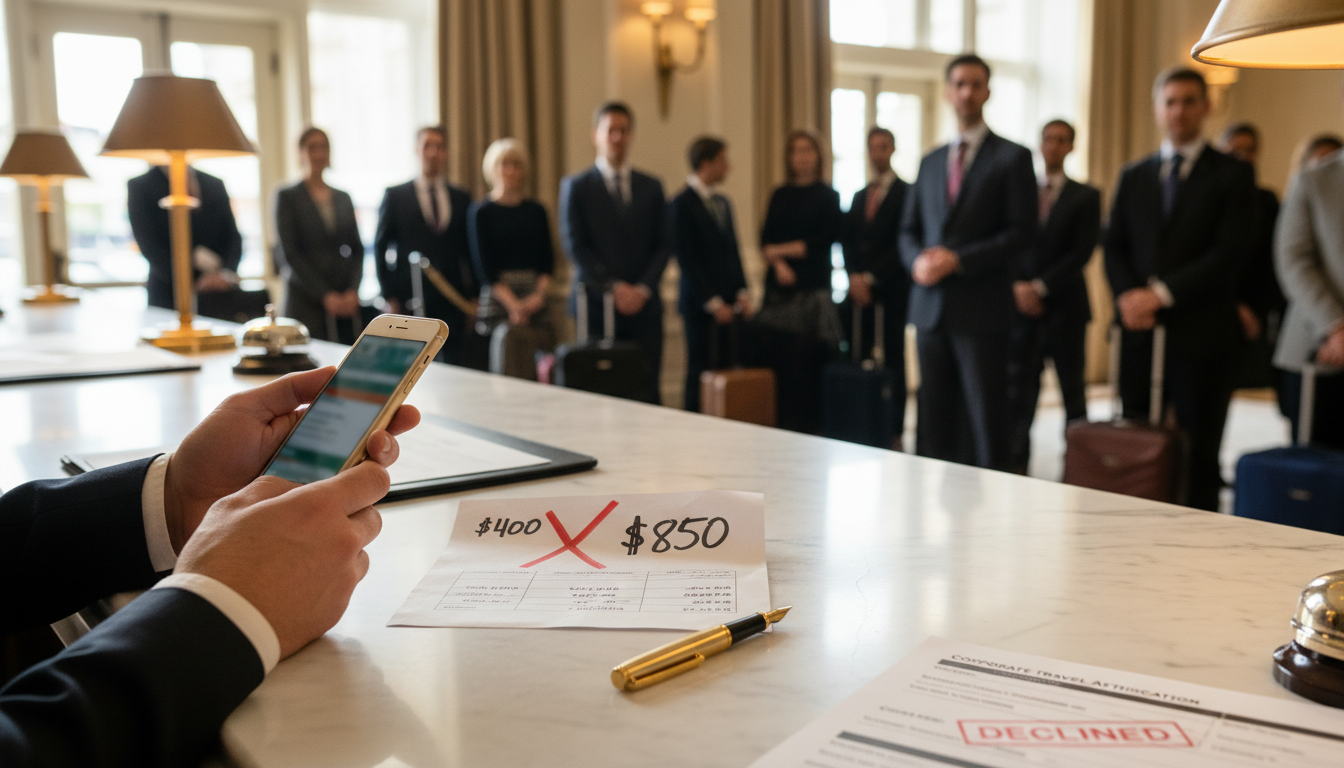
Rooms that were going for $400 last Tuesday are now fetching $850. The Presidential Suite? Try $6,500 a night. His revenue manager is fielding calls from Fortune 500 companies who waited too long to book, and for once in his career, he's the one saying "I'm sorry, we're completely sold out."

The AI Impact Summit 2026 has turned Delhi's luxury hotel market into a seller's paradise. Every five-star property within ten kilometers of the venue is maxed out. Corporate travel managers are panic-booking properties they'd normally consider "too far" and eating the taxi costs.

I've been on both sides of this equation. I've run properties during Super Bowl weeks and political conventions where we could have charged damn near anything. And I've been the guy trying to book rooms for a team when some event I didn't know existed ate up every bed in the market.

Here's what nobody's saying: This is probably the last hurrah.

Not for events — events will always spike rates. But for the corporate capitulation we're seeing right now. The companies paying $850 for a room their travel policy caps at $300? They're in procurement meetings right now having very different conversations.

"Why are we sending twelve people when we could send three and Zoom everyone else in?"

"Why are we booking hotels at all when we could negotiate annual rates at extended-stay properties?"

"Why are we going to conferences in expensive markets when virtual attendance is 90% as effective?"

The AI Summit is the perfect irony here. The technology being discussed at this conference is exactly what's going to let companies justify cutting back on this kind of travel. CFOs aren't blind — they can see that collaboration tools actually work now. They watched their teams perform through a pandemic on video calls.

Every time a hotel gouges a corporate customer during a supply crunch, it accelerates the internal business case for reducing travel dependency. Your $850 rate isn't just revenue — it's ammunition for the VP of Finance who's been arguing to slash the travel budget by 40%.

I'm not saying hotels shouldn't optimize revenue during peak demand. That's literally the job. But if you think these corporate clients are going to keep playing this game forever, you're not watching what's happening in their budget meetings.

The holy grail of luxury hospitality has always been the corporate account: guaranteed volume, predictable booking windows, less price sensitivity than leisure. But corporate travel budgets peaked in 2019 and they're never coming back to that level. Every price shock accelerates the decline.

Delhi properties will have a phenomenal week. The revenue reports will be stunning. Ownership will be thrilled.

And six months from now, half those companies will announce new travel policies that require VP approval for any international conference attendance.

Operator's Take

For luxury GMs: Enjoy the surge week, but use these corporate relationships to lock in negotiated annual rates before their travel policies change. The company paying $850 today is rethinking their entire conference strategy tomorrow. Lock them in at $425 on a volume commitment while they're still in the game — because the alternative isn't them paying rack rate next year, it's them not coming at all.

Read full analysis → ← Show less
Source: Google News: Luxury Hotels
LHW Just Showed Why Luxury Collections Beat Brands in 2026

LHW Just Showed Why Luxury Collections Beat Brands in 2026

While the big chains chase scale, The Leading Hotels of the World is quietly assembling properties that can't be replicated. Their 2026 openings prove luxury guests don't want consistency anymore—they want stories.

The last time I walked a historic property conversion, the GM pulled me into what used to be a ballroom and said, "The chains wanted us to rip all this out. Put in a fitness center." It was hand-painted ceiling work from 1887. He went independent instead.

That's the war being fought in luxury hospitality right now—and The Leading Hotels of the World just dropped their 2026 battle plan.

Eight new properties opening across four continents. Not a single one you could mistake for anything else.

A 1925 Parisian icon steps from the Arc de Triomphe. A 17th-century palace in Spain's Rioja wine country. A UNESCO Heritage Site stay in Penang designed around a historic temple. In Kyoto's Gion district, they're centering an entire hotel around a revitalized traditional theater.

Here's what nobody's saying: LHW isn't competing with Four Seasons or Aman on service standards anymore. They're competing on something the big brands physically cannot deliver—absolute irreplaceability.

You can build another St. Regis. You can't build another hotel around Kyoto's Yasaka Kaikan Theatre. That ship sailed about 400 years ago.

The telling detail? LHW's second Indonesian property—Nihi Rote—is putting a hospitality academy on-site. They're not just opening a 21-villa resort on a surf break. They're training the next generation of luxury operators in a place so remote it makes Bali look like Times Square.

That's not a hotel opening. That's a statement about what luxury means in 2026.

The big brands are still playing the consistency game. Same pillow menu in Mumbai and Miami. LHW is playing the opposite game—making damn sure you could never confuse their Barbados beach club with their San Francisco Nob Hill landmark.

Both strategies work. But only one creates properties guests build entire trips around.

The Huntington in San Francisco is the tell. It's a reimagined landmark—71 rooms, 72 suites, three-story spa. In the same city where you can book a Marriott with 5,000 rooms, they're betting that less than 150 keys of pure San Francisco identity will command premium rates.

They're right.

Because here's what's changed: luxury travelers used to want the comfort of knowing exactly what they'd get. Now they want the thrill of getting something they can't get anywhere else. Instagram didn't just change how guests share travel—it changed what they value about it.

You can't post the same lobby photo your friend posted from a different continent.

LHW's 2026 lineup reads like a collector's portfolio. Each piece irreplaceable. Each one with provenance. The Hôtel Raphael bringing back Roaring Twenties Paris glamour with a Les Clefs d'Or concierge team. Spain's Palacio de Los Angeles merging 17th-century bones with modern luxury in wine country.

This isn't about small versus big, or independent versus branded. It's about replicable versus irreplaceable.

And in 2026, irreplaceable is winning.

Operator's Take

For independent luxury operators: Your location, your building, your story—that's your moat. LHW isn't selling these properties on thread count. They're selling what can't be copied. If you're converting a historic property or sitting on a unique location and some brand is pushing you to "standardize," show them this list. The future of luxury isn't consistency—it's custody of something irreplaceable. Charge accordingly.

Read full analysis → ← Show less
Source: Sleeper Magazine
Email Security Rankings Don't Matter — Until Your GM Gets Fired Over a Wire Transfer

Email Security Rankings Don't Matter — Until Your GM Gets Fired Over a Wire Transfer

VIPRE just got crowned a leader in enterprise email security. Most operators will ignore this. The ones who've watched $47,000 disappear to a fake invoice won't.

The accounting manager at a Cincinnati property I worked with clicked one email. One.

It looked exactly like our regional VP's address — one letter off in the domain. The email asked her to update wire transfer details for our linen vendor. She'd processed hundreds of these requests. This one cost us $47,000 and her job.

That's the thing about email security nobody tells you: the rankings and the SPARK Matrix™ reports and the "leader" designations all feel like IT department problems until they become YOUR problem at 6 AM on a Tuesday.

VIPRE Security Group just got positioned as a leader in QKS Group's SPARK Matrix for Enterprise Email Security 2025. They earned high marks for their "comprehensive technology and layered email security architecture." Cool. Most operators will file this under "things my IT vendor handles."

Here's what that actually means in hotel terms: VIPRE's approach catches the stuff your spam filter misses. The sophisticated attacks. The ones where someone studies your property for weeks, learns who reports to whom, figures out your payment cycles, then sends an email so convincing that your AP clerk — who's processed 10,000 legitimate invoices — doesn't think twice.

The average business email compromise attack in hospitality costs $120,000, according to the FBI's latest data. But the real cost isn't the money. It's the controller who loses her job. The GM who has to explain to ownership why basic controls weren't in place. The property that makes the local news for the wrong reasons.

VIPRE's recognition matters because email remains the primary attack vector in hospitality. Not because hackers are targeting your PMS directly — that's harder. They're targeting Linda in accounting who's been with you for 12 years and trusts emails from "the corporate office."

The layered architecture QKS Group highlighted means multiple checkpoints before an email reaches your team. Link analysis. Attachment sandboxing. Domain verification. Stuff that happens in milliseconds before Linda ever sees that fake wire transfer request.

Is VIPRE the only solution? No. Should every operator immediately switch to them? That's not the point.

The point is this: if you can't name your current email security provider right now — without asking IT — you don't have a strategy. You have a hope.

And hope is not a strategy for protecting your AP clerk from a $47,000 mistake that costs her career.

Operator's Take

**FOR GMs & CONTROLLERS:** Walk into your office tomorrow and ask one question: "If our regional VP's email got spoofed and sent a fake wire transfer request, what would stop us from processing it?" If the answer involves anything like "our team is trained to spot those" — you're one convincing fake email away from a very bad day. The vendors who win security awards matter less than whether you can answer that question with specific technology, not trust.

Read full analysis → ← Show less
Source: PR Newswire: Travel & Hospitality
A Hong Kong Tech Company Just Signaled What Every Hospitality CFO Is About to Hear in Their Next Board Meeting

A Hong Kong Tech Company Just Signaled What Every Hospitality CFO Is About to Hear in Their Next Board Meeting

When a blockchain company announces they're parking 20% of profits in Bitcoin, that's their business. When it becomes the fifth company to do it this quarter, that's your treasury strategy becoming obsolete in real-time.

The CFO presentation I sat through last month in Boston started the same way they all do: "Conservative approach to cash management, diversified holdings, fiduciary responsibility."

Then someone asked the question.

"What's our position on digital assets?"

You could feel the temperature drop five degrees. The CFO did what every CFO does when confronted with Bitcoin—talked about volatility, regulatory uncertainty, all the reasons we stick with what we know. Safe answer. Responsible answer.

Probably the wrong answer.

Metalpha Technology just announced they're allocating up to 20% of annual net profit to Bitcoin. Not 2%. Not 5%. Twenty percent. And before you dismiss this as crypto company gonna crypto, understand what's actually happening here.

This is the fifth significant corporate treasury allocation to Bitcoin announced this quarter. MicroStrategy started it years ago and got laughed at. Then came Tesla. Then Square. Now it's not the outliers anymore—it's becoming standard treasury diversification strategy.

Here's the holy shit moment nobody's saying out loud: Metalpha operates in one of the most regulated, scrutinized financial environments on the planet. Hong Kong. Nasdaq-listed. This isn't some garage startup playing with house money. This is a board of directors, auditors, compliance teams, and institutional investors all signing off on the same question your CFO just deflected.

And here's what matters for hospitality operators: your institutional investors are watching the same trend.

I'm not suggesting you put 20% of your cash reserves into Bitcoin tomorrow morning. But I am suggesting that "we don't do that here" is starting to sound less like prudent risk management and more like "we still use fax machines because they're reliable."

The hotels and restaurant groups that survive the next decade won't be the ones with the safest treasury strategies. They'll be the ones whose finance teams understand that sometimes the riskiest move is pretending the landscape isn't changing.

Every industry goes through this moment. There's always a first mover everyone calls crazy. Then a second. Then a fifth. Then one day you're the dinosaur explaining to your board why you're still doing it the old way while your competitors' balance sheets look completely different.

Metalpha just became the canary in the coal mine for every boardroom conversation about digital assets. The question isn't whether Bitcoin belongs in corporate treasuries—clearly, an increasing number of sophisticated companies think it does. The question is whether your finance team is even equipped to have the conversation.

Because I guarantee you this: someone in your next board meeting is about to ask.

Operator's Take

Independent hotel operators and small brand CFOs: you don't need to make this move today, but you absolutely need to understand why other companies are. Schedule 30 minutes with someone who actually understands institutional digital asset strategy—not a crypto bro, an actual treasury expert. The cost of being wrong about dismissing this is significantly higher than the cost of being educated about it. And when your board asks the question—and they will—"I haven't looked into it" is not going to cut it anymore.

Read full analysis → ← Show less
Source: PR Newswire: Travel & Hospitality
Austin's Newest Boutique Hotel Just Hired a Chef Before They Perfected the Pillows

Austin's Newest Boutique Hotel Just Hired a Chef Before They Perfected the Pillows

Hotel Viata brought Gerard Kenny on as executive chef while most independents are still figuring out whether to do grab-and-go or partner with Uber Eats. That's either brilliant or reckless.

The first restaurant I opened in Chicago, I hired the chef three months before we had a liquor license. My partners thought I was insane. "We can't even serve wine and you're paying someone $75K?" But I knew something they didn't—good chefs have options, and if you wait until you're ready, you're already too late.

That's what makes Hotel Viata's hire of Gerard Kenny as executive chef interesting. Not because Kenny's credentials aren't solid—they are. But because in 2025, when most independent hotels are outsourcing F&B or turning their restaurant space into coworking lounges, someone in Austin just made a very expensive bet that food still matters.

Here's what nobody's saying: Hiring an executive chef before you've proven your occupancy model is either visionary or a fast track to burning cash. There's no middle ground.

Austin's hotel market is oversupplied. ADR growth has flattened. Every new property opens with the same script: "We're not like other hotels, we're a lifestyle experience." And somehow that lifestyle always includes overpriced small plates and a cocktail program that takes itself too seriously.

But here's the thing—when it works, it actually works. Look at what Carpenter Hotel did with Carpenters Hall. Or how Otoko inside the South Congress Hotel became the reservation everyone wants. These aren't hotel restaurants. They're destinations that happen to have rooms upstairs.

That's the bet Hotel Viata is making with Kenny. Not "let's have a nice restaurant for our guests." But "let's create something locals will stand in line for, and maybe they'll book a staycation while they're at it."

The holy shit moment? The average hotel restaurant does 15% of its covers from in-house guests. Fifteen percent. Which means if you're not pulling locals, you're subsidizing an amenity that your guests aren't even using. You're basically running a charity for sad continental breakfasts.

So either Hotel Viata knows something about their market positioning that justifies a full-time executive chef, or they're about to learn a very expensive lesson about what travelers actually want in 2025.

Smart money says they're betting on experience over efficiency. That Austin still has enough culinary credibility that a hotel restaurant can be a draw, not a drag. That Gerard Kenny can create something worth the overhead.

Time will tell if they're right. But at least they're making a decision, not hedging with a ghost kitchen and a QR code.

Operator's Take

For independent operators: If you're going to do F&B, commit or quit. A mediocre restaurant drags down your whole brand. Either hire someone who can make it a destination, or admit that your guests would rather walk two blocks for something real. There's no shame in being a hotel that doesn't pretend to be a restaurant—but there's plenty of red ink in being a hotel that half-asses one.

Read full analysis → ← Show less
Source: Google News: Boutique Hotels
Pebblebrook Just Told You Exactly What Kind of Year They're About to Have

Pebblebrook Just Told You Exactly What Kind of Year They're About to Have

Two new board members might sound like routine corporate housekeeping. But when a REIT adds specific expertise right now, they're telegraphing their next move—and their next problem.

There's a tell in hospitality M&A that most people miss.

When a company adds board members, pay attention to *what* they've done, not just *who* they are. Because boards don't expand on a whim—they add the expertise they're about to need desperately.

Pebblebrook Hotel Trust just elected Nina P. Jones and Bill Bayless to their board of trustees. On the surface, standard corporate governance stuff. Yawn-worthy press release fodder.

Except it's not.

Jones comes from the luxury hospitality world—she's got Montage International on her resume. Bayless? He's a capital allocation guy, formerly president and CFO of Host Hotels & Resorts, the biggest lodging REIT in the country.

So what does Pebblebrook need right now? Someone who understands luxury positioning and someone who knows how to deploy capital efficiently in a hospitality portfolio.

That's not a coincidence. That's a roadmap.

REITs telegraph their strategies through board composition the same way hotels telegraph their clientele through lobby design. You don't hire a James Beard-nominated chef for a limited-service property, and you don't add a luxury hospitality expert and a capital allocation specialist unless you're about to make moves that require exactly that expertise.

Here's what nobody's saying: Pebblebrook has been sitting on a portfolio of upscale and luxury urban and resort properties through one of the weirdest market cycles in modern hospitality history. They've watched leisure explode, business travel sputter back, and group business slowly—*painfully* slowly—return to something approaching normal.

Now they're staring down a 2025 that's going to require some tough calls. Do you double down on luxury leisure? Do you reposition properties that aren't performing? Do you sell assets that made sense in 2019 but don't anymore? Do you acquire distressed luxury inventory at a discount?

Those aren't questions for your existing board. Those are questions for people who've been in the trenches of luxury hospitality operations and capital deployment.

I've been through exactly one major portfolio repositioning in my career—when Millennium was figuring out what to do with properties that had been starved of capital for years. The conversations that mattered most weren't happening in the hotels. They were happening in boardrooms, with people who'd seen this movie before.

The pattern is always the same: you bring in the expertise *before* you announce the strategy, not after.

So if you're watching Pebblebrook—and if you're in urban luxury hospitality, you should be—this isn't about two new names on a website. This is about a company building the team they need for whatever's coming next.

And based on who they just hired? Whatever's coming involves luxury repositioning and significant capital decisions.

The market's going to figure this out eventually. Smart operators already have.

Operator's Take

If you're a GM in Pebblebrook's portfolio, this is your six-month warning. New board expertise means new strategic direction, which means new performance expectations. Start documenting your positioning strategy and capital needs now—before someone with a fresh mandate starts asking questions you're not ready to answer. And if you're *not* in their portfolio but you compete with their properties? Watch what they do next. Because they just hired the people who know how to win the game you're all playing.

Read full analysis → ← Show less
Source: Google News: Pebblebrook Hotel Trust
Someone Just Paid $70 Million for AI.com — And Your Hotel's Digital Strategy Just Became Obsolete

Someone Just Paid $70 Million for AI.com — And Your Hotel's Digital Strategy Just Became Obsolete

The largest domain sale in history isn't just a tech story. It's a red flag for every hotel still treating their digital presence like it's 2015.

I remember the conversation I had with our ownership group in 2019 when I wanted to spend $12,000 to secure a premium domain for our hotel's new F&B concept.

Twelve thousand dollars.

I got laughed out of the room. "People will just Google us," they said. "Nobody types in URLs anymore." We went with the free option — added a hyphen, tacked on an extra word, saved the money.

That restaurant is closed now. But that's not really the point.

GetYourDomain.com just brokered the sale of AI.com for $70 million. Not $70,000. Not $7 million. Seventy million dollars. It's the largest domain transaction in history — more than double the previous record.

Let that sink in for a second. Someone looked at two letters and a dot and decided it was worth more than most boutique hotels.

And here's what nobody's saying: This isn't a vanity purchase. This is a bet on the future of how guests will interact with technology. Whoever bought AI.com understands something that most hotel operators still don't.

Your digital real estate is more valuable than your physical real estate.

Think about it. You spend millions on lobby renovations, on statement light fixtures, on imported Italian marble. You agonize over thread count and pillow menus. But your website? That's still running on a platform your previous GM selected in 2016. Your booking engine still looks like it was designed by someone's nephew. Your domain name is a string of hyphens and geographic qualifiers that nobody can remember or spell.

Meanwhile, AI is about to fundamentally change how travelers research, book, and experience hotels. Voice search. AI assistants. Chatbots that actually work. Predictive booking. Every single one of these technologies will prioritize simple, memorable, authoritative domains.

When someone asks their AI assistant to "book me a hotel in Miami," do you think the algorithm is going to recommend MiamiBeachfrontResortAndSpa-Hotels.com? Or is it going to default to whoever owns MiamiBeach.com?

The uncomfortable truth is that most hotel operators still think about digital the way we thought about it in 2005. Website as brochure. SEO as afterthought. Domain name as necessary evil that IT handles.

But the brands get it. Marriott spent years consolidating their digital presence. Hilton's been buying up category-killer domains. Even smaller lifestyle brands understand that in an AI-driven search environment, your URL isn't just an address — it's your credibility, your findability, your competitive moat.

I'm not saying you need to spend $70 million. I'm saying if someone just spent $70 million on a two-letter domain, maybe it's time to ask yourself: What's ours worth? More importantly — what's it costing us not to have a good one?

Because here's the thing about real estate, digital or physical: Location matters. Always has. Always will.

The difference is, you can still buy prime digital real estate. But the window is closing fast. And when AI search becomes the default — and it will — you're going to wish you'd spent that $12,000 back when $12,000 could still buy you something worth having.

Operator's Take

For independent operators: If you're planning any kind of rebrand, renovation, or repositioning in the next 24 months, budget for domain acquisition first. Not last. Not "if there's money left over." First. A premium domain will drive more bookings than your new pool deck ever will. And it's the only part of your marketing stack that appreciates in value.

Read full analysis → ← Show less
Source: PR Newswire: Travel & Hospitality
Why a $12 Million Circuit Board Order Should Terrify Hotel Tech Vendors

Why a $12 Million Circuit Board Order Should Terrify Hotel Tech Vendors

When defense contractors start panic-buying the components that power your PMS, your door locks, and your energy management systems, your 2027 capex budget just became obsolete.

Here's what nobody tells you about property technology until it's too late: the hardware running your reservation system has more in common with a fighter jet than it does with your iPhone.

Eltek Ltd., an Israeli manufacturer most hospitality operators have never heard of, just announced $12.2 million in purchase orders from an American defense customer. Printed circuit boards. The kind that go into military applications requiring "the highest level of reliability."

You should care about this for one reason: defense contractors don't place $12 million orders because they're planning ahead. They place them because they're already behind.

The global supply chain for advanced electronics hasn't recovered from COVID — it just got better at hiding the cracks. When defense spending ramps up (and it is ramping up), military contracts don't just get priority. They get *absolute* priority. The same fabrication capacity that might have gone to hospitality tech vendors in 2025 is now spoken for through 2027.

I learned this the hard way during a 2021 renovation in Vegas. We were six weeks from opening a remodeled tower when our door lock vendor called with "unexpected delays" on circuit boards. Unexpected. As if the entire electronics industry hadn't been screaming about chip shortages for eight months.

What turned a four-week delay into a twelve-week nightmare was discovering that we weren't competing with other hotels for manufacturing capacity. We were competing with automotive, medical devices, and — you guessed it — defense contractors. Hospitality was dead last in line.

Here's the holy shit moment: Eltek's announcement mentioned these boards require "advanced technology" with "high mix and low to mid-volume production." That's the exact same profile as hospitality technology. Custom, specialized, not produced at iPhone scale. The stuff that runs your PMS, your energy management systems, your keycard encoders, your POS terminals.

Every hotel tech vendor I've talked to in the past six months has the same story. Lead times that used to be 8-12 weeks are now 26-32 weeks. Minimum order quantities have doubled. And nobody — *nobody* — is guaranteeing delivery windows anymore.

The vendors won't say it publicly, but they're already making impossible choices about which customers get supplied first. Want to guess whether your 300-room select-service property wins that fight against a casino resort with 2,000 rooms, or a defense contractor with a cost-plus government contract?

This isn't a story about one Israeli company landing one contract. This is about what happens when global defense spending increases and hospitality technology uses the exact same supply chain as military hardware. We don't just lose — we don't even get to play.

If you've got technology replacements budgeted for 2027, you need to be placing orders now. Not in Q4. Not "when we get closer." Now.

Because the defense industry just jumped the line, and they're not giving the spot back.

Operator's Take

For GMs and asset managers: if your 2026-2027 capex plan includes PMS replacement, door lock upgrades, or any hardware-dependent technology, accelerate those purchase orders immediately. Your vendor's "standard lead time" assumes you're competing with other hotels. You're not. You're competing with Lockheed Martin. Get your deposit in while manufacturing capacity still exists for non-defense customers, or budget an extra six months and 15-20% cost premium for the privilege of waiting in line.

Read full analysis → ← Show less
Source: PR Newswire: Travel & Hospitality
Four Seasons Is Launching a Yacht Line—And Your Guests Are About to Compare You to a Boat

Four Seasons Is Launching a Yacht Line—And Your Guests Are About to Compare You to a Boat

The luxury hotel brand just hired a CMO for its new superyacht venture. Which means the property you manage on land is about to get measured against floating suites with ocean views.

I once had a guest at a waterfront property tell me our $800 harbor-view room "didn't feel very nautical." I smiled, nodded, and privately wondered what the hell that even meant.

Now I know exactly what it means—and it's about to become every coastal property manager's problem.

Four Seasons just appointed a Chief Marketing Officer for Four Seasons Yachts, the brand's ambitious pivot into the superyacht space. This isn't a partnership or a licensing deal. This is Four Seasons building an entirely new product category that will directly compete with—and inevitably be compared to—land-based luxury hospitality.

Here's what nobody's talking about: When Four Seasons launches these floating properties, they're not just expanding their portfolio. They're redefining what "waterfront luxury" means.

Think about it. Your beachfront resort charges $1,200 a night for an ocean-view suite. Four Seasons Yachts will charge tens of thousands per night for a cabin that IS the ocean view—and moves to a new port every morning. Different country, different sunrise, same Four Seasons service standard.

The first yacht reportedly accommodates just 95 guests. That's boutique hotel sizing with cruise ship mobility and Five-Star service expectations. It's the ultimate flex for the ultra-wealthy traveler who's already stayed at every Four Seasons on land.

But here's the holy shit moment: This isn't really about yachts. It's about Four Seasons proving they can deliver their service standard literally anywhere. On water today. In the air tomorrow? In space eventually?

The brand is telling the market—and your guests—that the Four Seasons experience isn't tied to real estate anymore. It's portable. It's experiential. It's whatever they decide it is.

For operators at competing luxury properties, especially coastal resorts, this creates a fascinating problem. You're no longer just competing with the Ritz down the beach. You're competing with the idea that true luxury doesn't stay in one place.

The appointment of a dedicated CMO this early signals something important: Four Seasons knows this venture will live or die on storytelling, not specs. Nobody books a yacht suite because of thread count. They book it because of what it represents—the ultimate escape, the ultimate exclusivity, the ultimate "you can't do this."

And that's exactly the kind of aspirational positioning that trickles down and affects every luxury property's value proposition.

When your repeat guest casually mentions they're "thinking about doing the Four Seasons yacht thing next year instead of our usual week here," you'll understand exactly what's changed. The competitive set just learned to swim.

Operator's Take

For GMs at coastal luxury properties: Start having the yacht conversation NOW with your top-tier guests. Ask about their interest, gauge the appeal, understand what it represents to them. Because whether or not they ever book it, Four Seasons Yachts just raised the experiential bar for waterfront luxury—and your guests will absolutely use it as a measuring stick for your property. The question isn't whether this affects you. It's whether you'll see it coming before your occupancy report does.

Read full analysis → ← Show less
Source: Google News: Four Seasons
Choice's Africa Play: What a Franchise Push Into Frontier Markets Really Means

Choice's Africa Play: What a Franchise Push Into Frontier Markets Really Means

Choice Hotels is accelerating franchise development across emerging African markets. Before you dismiss this as irrelevant corporate expansion, understand what happens when U.S. franchise brands chase growth in markets with weak infrastructure and inconsistent rule of law.

Choice is pushing hard into Africa — Kenya, Ghana, Nigeria, Tanzania, and South Africa are all on the target list. They're talking about "untapped potential" and "growing middle class demand." I've seen this movie before, and it doesn't always end well for the operators who sign those franchise agreements.

Here's the thing nobody's telling you: franchise systems built for U.S. markets don't transplant cleanly to frontier economies. The PIP requirements, the PMS integration mandates, the brand standard inspections — all of that assumes reliable power, competent contractors, and supply chains that actually deliver. When you're running a Comfort Inn in Accra and the brand inspector shows up expecting the same lobby package you'd see in Columbus, Ohio, you've got a problem. And when your FF&E costs are 40% higher because everything's imported and your occupancy can swing 30 points based on political stability, those royalty fees start to hurt.

But let's be fair — Choice isn't stupid. They know how to adapt franchise models for different markets. Their economy and midscale brands are simpler to execute than full-service properties, and African cities genuinely lack standardized, bookable inventory for business travelers. If they can sign local developers who understand the operating environment and adjust PIPs for local realities, this could work.

The risk isn't Choice's. It's the franchisees'. African developers see U.S. brands as instant credibility with international travelers and corporate accounts. They'll pay the franchise fees and sign the agreements. Then they'll discover that meeting U.S. brand standards in markets with inconsistent infrastructure costs 20-30% more than they projected. Some will make it work. Others will end up in default, fighting termination notices while trying to save their investment.

Operator's Take

If you're a U.S.-based operator thinking about international franchise opportunities, understand this: frontier markets mean frontier risks. Don't sign anything until you've physically visited comparable branded properties in that market and talked to operators on the ground. Ask about PIP costs, supply chain realities, and how often the brand actually shows up to enforce standards. The royalty rate looks the same on paper — the operating environment is completely different.

Read full analysis → ← Show less
Source: Google News: Choice Hotels
China Just Showed How National TV Makes Destinations — And Why Your DMO Can't Compete

China Just Showed How National TV Makes Destinations — And Why Your DMO Can't Compete

When state media turns a Spring Festival broadcast into a tourism campaign, it doesn't just move the needle. It creates destinations overnight. Here's what happened in Yangjiang.

There's a hotel GM I knew in Nashville who spent six months begging the CVB for a mention in their spring campaign. Six months of meetings, deck revisions, committee approvals. They got a logo on page 47 of a digital guide that generated exactly zero trackable bookings.

Meanwhile, China Media Group just gave an entire city a two-day primetime cultural showcase to 1.4 billion people.

The 2026 China Cultural and Tourism Gala launched from Yangjiang, Guangdong this week — a Spring Festival special broadcast live on CCTV4, the state broadcaster's international channel. Not a tourism ad that interrupted programming. The programming WAS the tourism campaign.

This wasn't a destination marketing video. This was a cultural event that happened to be set in Yangjiang, showing off its coastal landscapes, kite-flying traditions, and culinary heritage through performance, storytelling, and production values that make Visit California's budget look like a line item error.

Here's the part that should make every American DMO director uncomfortable: China Media Group doesn't need hotel tax revenue to fund this. They don't need stakeholder buy-in or tourism board approval. When the state decides a city should become a destination, it simply becomes one.

Yangjiang wasn't an international tourism hub before this week. It's an industrial coastal city known for metalware manufacturing. But after two nights of primetime cultural programming broadcast across Asia, Southeast Asia, and Chinese diaspora communities worldwide? The hotel booking sites are about to find out.

This is destination creation at scale — the kind of coordinated cultural-tourism strategy that Western markets abandoned when we decided tourism marketing should be hyperlocal, committee-driven, and funded by a patchwork of hotel taxes.

The Spring Festival timing isn't coincidental. This is China's largest annual travel period — think Thanksgiving, Christmas, and New Year's combined, then multiply by population. Dropping a cultural showcase during this window is like NBC deciding to make your city the setting for every Thanksgiving Day Parade broadcast for a decade.

American operators in gateway cities have been watching Chinese tourism numbers crawl back since 2023. Most assumed the return would follow pre-pandemic patterns: guided group tours hitting the same Vegas-LA-SF-NYC circuit. But China's domestic tourism infrastructure spent the lockdown years getting very, very good at creating destination buzz through state media integration.

Why send tour groups to Fisherman's Wharf when Yangjiang just got the full state television treatment?

The model here isn't subtle: Identify secondary cities with tourism potential. Create broadcast-quality cultural programming that showcases them. Use the world's largest state media apparatus to distribute it. Watch the bookings follow.

We don't have that infrastructure in the U.S. We have destination marketing organizations with good intentions and limited budgets, competing against each other for slices of the same travel media coverage. We have tourism boards that think a viral TikTok is a strategy.

China has a primetime television event that turns cities into destinations by executive decision.

For operators in international gateway markets, the question isn't whether Chinese tourism will recover — it's whether it will recover in your market or in the dozen new destinations that are getting the state television treatment this year.

Operator's Take

If you're a hotel GM in a traditional Chinese tour group market, your DMO's digital strategy isn't your competition anymore — state-backed destination creation is. The era of Chinese tourism following the same predictable circuits is ending. Start building direct relationships with Chinese OTAs and tour operators now, because the next wave of Chinese travelers will be going places you've never heard of, simply because Beijing decided they should.

Read full analysis → ← Show less
Source: PR Newswire: Travel & Hospitality
China Just Turned a Gala Into a Travel Campaign — And Your Destination Marketing Budget Looks Quaint

China Just Turned a Gala Into a Travel Campaign — And Your Destination Marketing Budget Looks Quaint

While you're arguing over Instagram ad spend, China Media Group just broadcast a two-day cultural festival to hundreds of millions of viewers. This isn't a TV show. It's how government-scale resources reshape destination marketing.

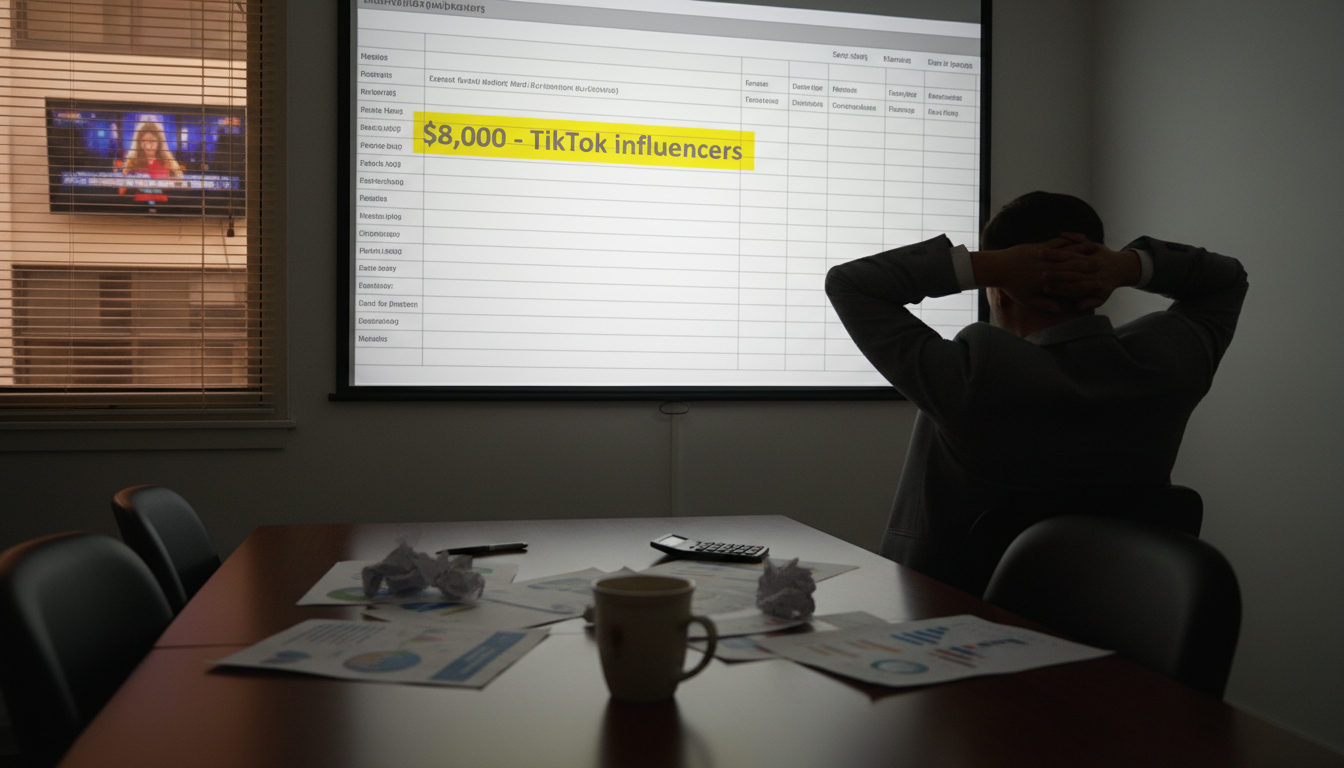
The finance committee at a mid-sized CVB spends forty-five minutes debating whether they can afford another $8,000 for TikTok influencers.

Meanwhile, China Media Group — the state broadcasting apparatus — just produced a two-day live cultural spectacular in Yangjiang, Guangdong Province, and called it a "travel guide."

The 2026 China Cultural and Tourism Gala aired February 7-8 on CCTV4, which reaches an estimated 300+ million households globally. It's part of the China Language Global Program Center, which means this isn't just entertainment — it's cultural diplomacy wrapped in destination marketing wrapped in Spring Festival celebration.

Think about the math for a second. Your average destination marketing organization considers a Super Bowl regional ad a moonshot investment. China just dedicated primetime broadcast real estate during their biggest holiday — Spring Festival — to promote a single city most Western operators couldn't find on a map.

Yangjiang isn't Shanghai or Beijing. It's a third-tier coastal city known for knife manufacturing and fishing. Population: 2.5 million. Not exactly a household name.

But here's what makes this fascinating: they're not trying to convince Chinese tourists that Yangjiang is worth visiting. They're establishing it as worth knowing about first. Cultural programming creates familiarity. Familiarity creates consideration. Consideration drives bookings — eventually.

This is the patient capital approach to destination marketing. No conversion pixel tracking. No cost-per-acquisition anxiety. Just two days of primetime programming that embeds a place into national consciousness during the moment when 1.4 billion people are thinking about travel, family, and celebration.

Western tourism boards are playing checkers with quarterly campaign cycles and attribution models. This is three-dimensional chess with government resources and decade-long time horizons.

The "Spring Festival Special" framing is particularly clever. It's not "watch our tourism ad." It's "celebrate the holiday with us" — and by the way, here's Yangjiang's culture, food, landscapes, and reasons to care. Entertainment first, destination marketing as happy byproduct.

For context: the average U.S. state tourism office has an annual marketing budget between $5-30 million. The Las Vegas Convention and Visitors Authority — one of the best-funded in North America — spends roughly $200 million annually. China Media Group's total budget? Approximately $6 billion, and tourism promotion is just one mandate among many.

This isn't a story about outspending your competition. It's about the structural advantage of integrated state resources when tourism is considered national strategic priority rather than local economic development expense.

The real question isn't whether Western destinations can compete with this model — they can't, and probably shouldn't try. The question is what happens when Chinese travelers start making decisions based on this kind of deep, repeated cultural exposure versus your three-month Instagram campaign.

You can't out-broadcast China Media Group. But you can stop pretending that banner ads and influencer trips are playing the same game.

Operator's Take

If you're marketing to Chinese travelers — or competing for any travelers choosing between Western and Chinese destinations — understand what you're up against. This isn't about budget envy. It's about recognizing that cultural programming at state scale creates destination preference in ways your digital strategy never will. Your advantage isn't production value or reach. It's authenticity, specificity, and experiences that can't be replicated. Lean into what government-scale marketing can't manufacture: the weird, the local, the unexpected, the real. That's your moat.

Read full analysis → ← Show less
Source: PR Newswire: Travel & Hospitality
End of Stories