China Just Turned a Gala Into a Travel Campaign — And Your Destination Marketing Budget Looks Quaint
While you're arguing over Instagram ad spend, China Media Group just broadcast a two-day cultural festival to hundreds of millions of viewers. This isn't a TV show. It's how government-scale resources reshape destination marketing.
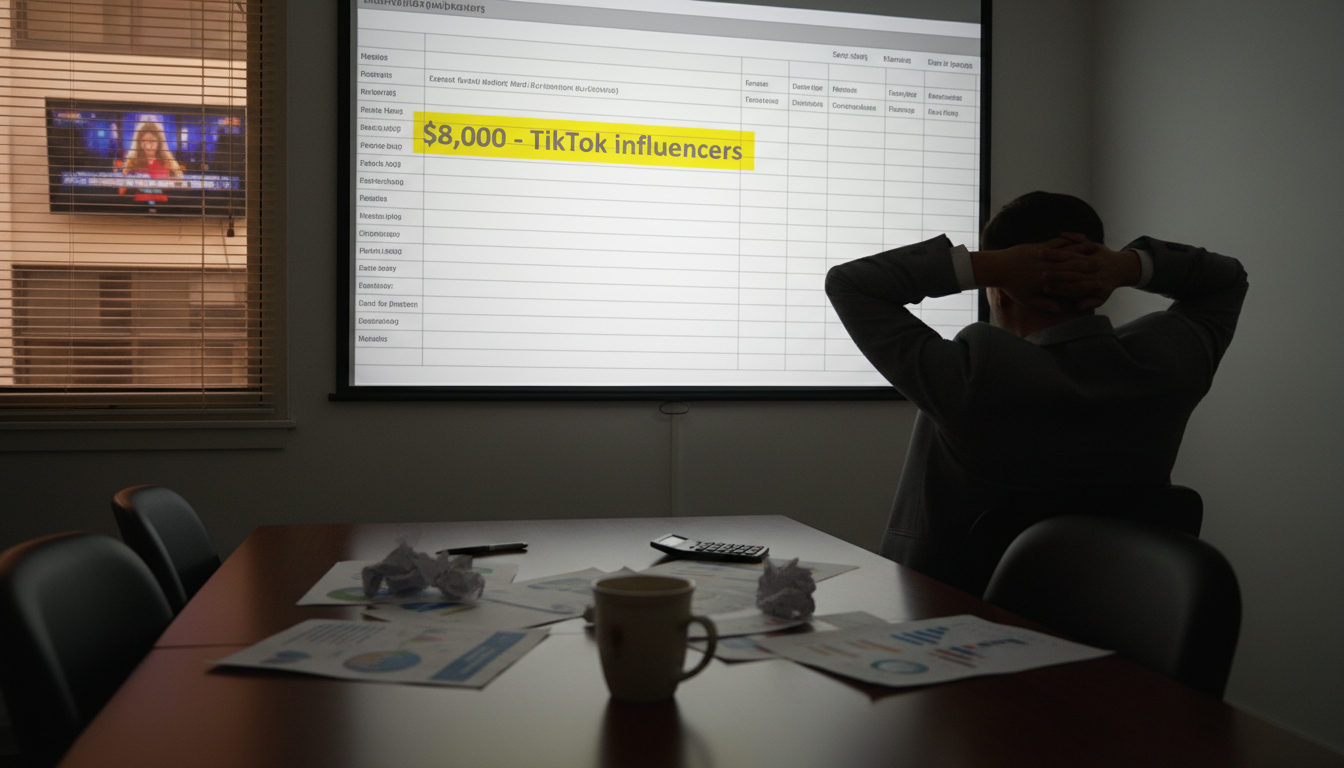
The finance committee at a mid-sized CVB spends forty-five minutes debating whether they can afford another $8,000 for TikTok influencers.
Meanwhile, China Media Group — the state broadcasting apparatus — just produced a two-day live cultural spectacular in Yangjiang, Guangdong Province, and called it a "travel guide."
The 2026 China Cultural and Tourism Gala aired February 7-8 on CCTV4, which reaches an estimated 300+ million households globally. It's part of the China Language Global Program Center, which means this isn't just entertainment — it's cultural diplomacy wrapped in destination marketing wrapped in Spring Festival celebration.
Think about the math for a second. Your average destination marketing organization considers a Super Bowl regional ad a moonshot investment. China just dedicated primetime broadcast real estate during their biggest holiday — Spring Festival — to promote a single city most Western operators couldn't find on a map.
Yangjiang isn't Shanghai or Beijing. It's a third-tier coastal city known for knife manufacturing and fishing. Population: 2.5 million. Not exactly a household name.
But here's what makes this fascinating: they're not trying to convince Chinese tourists that Yangjiang is worth visiting. They're establishing it as worth knowing about first. Cultural programming creates familiarity. Familiarity creates consideration. Consideration drives bookings — eventually.
This is the patient capital approach to destination marketing. No conversion pixel tracking. No cost-per-acquisition anxiety. Just two days of primetime programming that embeds a place into national consciousness during the moment when 1.4 billion people are thinking about travel, family, and celebration.
Western tourism boards are playing checkers with quarterly campaign cycles and attribution models. This is three-dimensional chess with government resources and decade-long time horizons.
The "Spring Festival Special" framing is particularly clever. It's not "watch our tourism ad." It's "celebrate the holiday with us" — and by the way, here's Yangjiang's culture, food, landscapes, and reasons to care. Entertainment first, destination marketing as happy byproduct.
For context: the average U.S. state tourism office has an annual marketing budget between $5-30 million. The Las Vegas Convention and Visitors Authority — one of the best-funded in North America — spends roughly $200 million annually. China Media Group's total budget? Approximately $6 billion, and tourism promotion is just one mandate among many.
This isn't a story about outspending your competition. It's about the structural advantage of integrated state resources when tourism is considered national strategic priority rather than local economic development expense.
The real question isn't whether Western destinations can compete with this model — they can't, and probably shouldn't try. The question is what happens when Chinese travelers start making decisions based on this kind of deep, repeated cultural exposure versus your three-month Instagram campaign.
You can't out-broadcast China Media Group. But you can stop pretending that banner ads and influencer trips are playing the same game.
If you're marketing to Chinese travelers — or competing for any travelers choosing between Western and Chinese destinations — understand what you're up against. This isn't about budget envy. It's about recognizing that cultural programming at state scale creates destination preference in ways your digital strategy never will. Your advantage isn't production value or reach. It's authenticity, specificity, and experiences that can't be replicated. Lean into what government-scale marketing can't manufacture: the weird, the local, the unexpected, the real. That's your moat.