Osceola County Is Arresting Party Promoters. Every Hotel GM in Orlando Should Be Paying Attention.
Six arrests and two shutdowns over July 4th weekend as Osceola County cracks down on illegal short-term rental parties. If you're running a hotel near Kissimmee, this enforcement shift changes your competitive landscape in ways the STR platforms won't advertise.
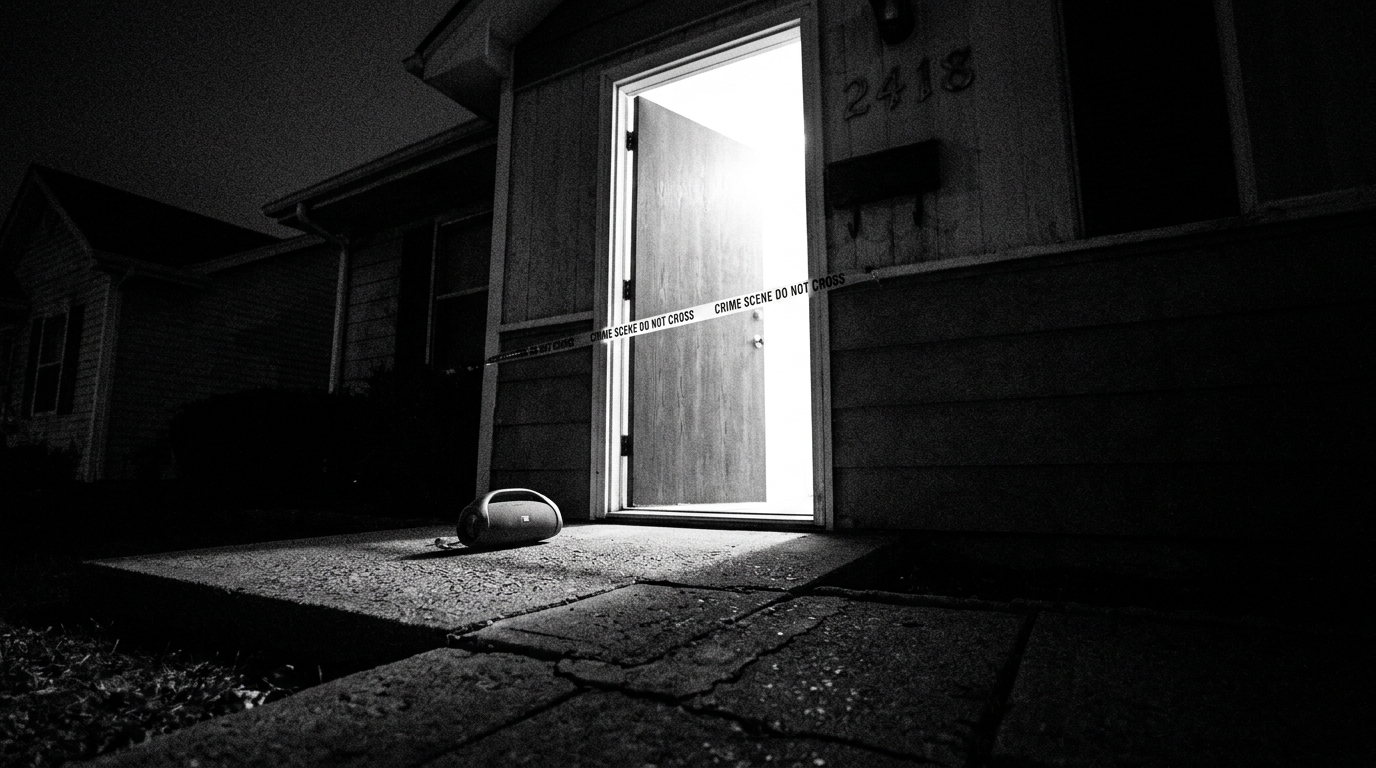
A 17-year-old kid got shot and killed at a spring break Airbnb party in Osceola County back in March. That changed everything. Not slowly, the way policy usually moves in Florida counties. Fast. The sheriff started monitoring social media for party promoters, coordinating directly with Airbnb, and making arrests. Over the July 4th weekend, they shut down two parties and arrested six people... drugs, firearms, hollow-point ammunition, the works. And the sheriff went on record saying if someone dies at one of these parties, the promoter gets charged with manslaughter.
That's not a press release. That's a line in the sand.
Here's why this matters if you run a hotel anywhere in the greater Orlando-Kissimmee corridor. Osceola County has nearly 33,000 active short-term rental listings. Thirty-three thousand. That's more than any other county in Florida. A huge percentage of those properties exist in a gray zone... technically licensed (or not), technically in compliance with the county's overlay district zoning (or not), technically carrying the required million-dollar liability policy (or not). When enforcement was loose, those 33,000 listings competed with your hotel on price, on space, on the "whole house" value proposition. Now the county is tightening the screws. Airbnb is using AI to flag and cancel suspicious bookings... last-minute, whole-home reservations from guests with thin review histories. The licensing requirements alone ($410 initial, $150 annual renewal, mandatory inspection, zoning compliance) are going to push marginal operators out. The 13.5% combined tax rate (state sales tax, tourist development tax, and discretionary surtax) that legitimate STRs are supposed to be collecting? Enforcement on that is coming too. It always follows the safety enforcement.
I've watched this pattern play out in at least four markets over the last decade. A tragedy happens. The county or city cracks down on short-term rentals. The crackdown starts with parties and safety but expands into licensing, taxation, and zoning enforcement. The total inventory of competing STR units drops 15-25% within 18 months... not because the laws change, but because existing laws finally get enforced. The operators who were undercutting your ADR by running unlicensed, untaxed vacation rentals quietly disappear. They don't make announcements. They just stop listing.
What most hotel operators miss during this window is the opportunity. When STR supply contracts in a market, the demand doesn't evaporate. Those group bookings, those family reunions, those large-party travelers who were renting a five-bedroom house because it was cheaper than three hotel rooms... they still need somewhere to stay. Your front desk is about to get calls from people who've never considered a hotel for this type of trip. The question is whether you're ready for them. Extended-stay inventory, suite configurations, connecting rooms, group rate packages for family blocks... if you're in this market and you're not already thinking about how to capture displaced STR demand, you're leaving money on the table.
The bigger picture here is something the industry has been slow to recognize. Every time a short-term rental market gets serious about enforcement (and a teenager dying tends to make them serious), the playing field shifts back toward licensed, insured, professionally managed lodging. That's us. But we only benefit if we're paying attention to the shift while it's happening, not six months after the inventory has already redistributed. The hotels that win in this window are the ones that move first... adjusting their marketing, their rate strategy, and their product mix before the competition figures out what's going on.
If you're running a hotel in Osceola County or anywhere in the Kissimmee-Orlando corridor, pull your STR comp data this week. Sites like AirDNA or your local CVB can tell you how many active listings are in your three-mile radius. Track that number monthly. When it starts declining (and in this enforcement environment, it will), that's your signal to adjust rate strategy upward. Don't wait for the demand to show up in your booking pace... by then your competitors will have already moved. Talk to your sales team about group blocks for family travel. Talk to your revenue manager about suite and connecting-room pricing. And if you're an owner in this market, understand that the 33,000-unit STR overhang that's been suppressing your ADR ceiling is about to get smaller. What I call the Three-Mile Radius... your revenue ceiling is set by competition within three miles, not by your room count... just shifted in your favor. Act accordingly.