Today · Jun 13, 2026
The Washington Hilton Just Proved Every Hotel's Worst Security Nightmare Is Real

The Washington Hilton Just Proved Every Hotel's Worst Security Nightmare Is Real

A gunman opened fire at the White House Correspondents' Dinner inside the same Washington Hilton where Reagan was shot in 1981. If you're a GM who's ever hosted a high-profile event and quietly wondered whether your security plan would actually hold... now you have your answer about what's at stake.

Available Analysis

I managed a property once that hosted a governor's fundraiser. The advance team came through, walked the building, pointed at things, made notes on clipboards. They checked the ballroom entrances, the loading dock, the stairwells. And then they left, and it was my team... my front desk, my banquet staff, my overnight security guy who weighed maybe 160 pounds soaking wet... who were responsible for everything between the perimeter and the podium. I remember standing in the lobby that night thinking: if something goes wrong, the first five minutes belong to us. Not the Secret Service. Not the police. Us.

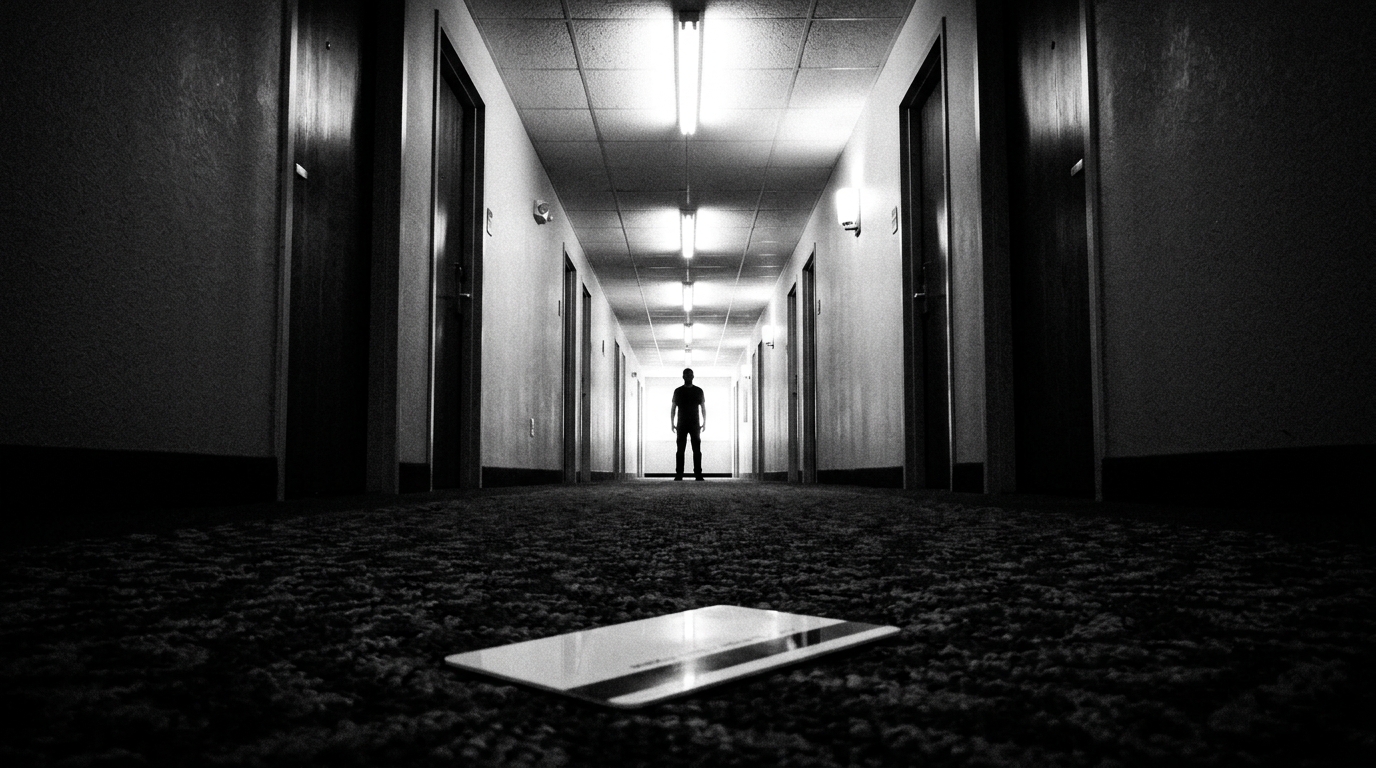
Saturday night at the Washington Hilton, something went very wrong. A 31-year-old man who had checked into the hotel the day before... a registered guest, room key in hand, bags through the door like any other traveler... allegedly charged a security checkpoint outside the Correspondents' Dinner ballroom armed with a shotgun, a handgun, and multiple knives. A Secret Service agent took a round to the vest. The president was evacuated. Thousands of guests, journalists, and staff were plunged into chaos. The dinner was postponed. And for the second time in 45 years, the Washington Hilton became the backdrop for political violence on American television.

Here's what I keep coming back to. The guy was a guest. He checked in on Friday. He walked through the lobby, rode the elevator, slept in a bed, and then the next evening attempted to breach a presidential security perimeter from inside the building. Every hotel GM in America should sit with that for a minute. Your security model is built around keeping threats OUT. What happens when the threat already has a reservation? The Washington Hilton was reportedly "fortified" after the Reagan shooting in 1981. They redesigned access points, hardened the exterior, changed traffic flow. And the vulnerability that showed up Saturday night wasn't a gap in the fortress wall. It was the front door. The one we open for guests 24 hours a day because that's literally what we do.

This event didn't receive a "National Special Security Event" designation, which would have triggered the full federal security apparatus... the kind of lockdown you see at inaugurations or State of the Union addresses. That's a policy conversation above our pay grade. But here's what IS in our lane: every hotel that hosts political events, corporate gatherings with public figures, charity galas with VIP attendees... your security plan probably assumes the threat is external. A protest outside. A suspicious vehicle. An uninvited person trying to get past the rope line. Saturday night proved the threat can be a guy with a confirmation number and a credit card on file. That changes the calculus in ways most of our event security SOPs haven't caught up with yet.

I'm not going to pretend I have a clean answer for this. There's a tension between hospitality and security that doesn't resolve neatly. We're in the business of welcoming people. We can't run background checks on every guest (and we shouldn't). But the operational conversation has to evolve. If you're hosting events where elected officials, executives, or public figures are present, you need to be asking harder questions about internal access during event windows, about coordination between your in-house team and external security details, about what your front desk staff is trained to observe and report. Not because you're going to stop the next determined attacker with a checklist. But because the first five minutes still belong to you. They always have.

Operator's Take

If you host events with high-profile attendees... political, corporate, or otherwise... pull your event security SOP this week and read it with fresh eyes. Ask yourself one question: does this plan account for a threat that's already inside the building as a registered guest? If the answer is no, you've got a gap. Talk to your security director (or your third-party security vendor) about internal access controls during event windows... who can move through what corridors, which elevators stay locked, what your front desk team is trained to flag. You don't need to turn your hotel into a TSA checkpoint. But you need to have the conversation before you need the plan. And if you're carrying event cancellation insurance, check your policy language on acts of violence. The Washington Hilton just became a case study. Make sure it doesn't become your case study.
Read full analysis → ← Show less
Source: Google News: Hilton
A Casino Resort Spent $500K on March Madness Promos. The Real Question Is What the Tech Stack Looked Like at 2 AM.

A Casino Resort Spent $500K on March Madness Promos. The Real Question Is What the Tech Stack Looked Like at 2 AM.

We-Ko-Pa Casino Resort ran a half-million-dollar March Madness promotion through its sports bar and sportsbook, and every casino resort in the country is chasing the same playbook. The interesting part isn't the promotion... it's whether the systems behind it can actually handle what happens when 246 rooms, a 166,000-square-foot gaming floor, and a live betting operation all peak at once.

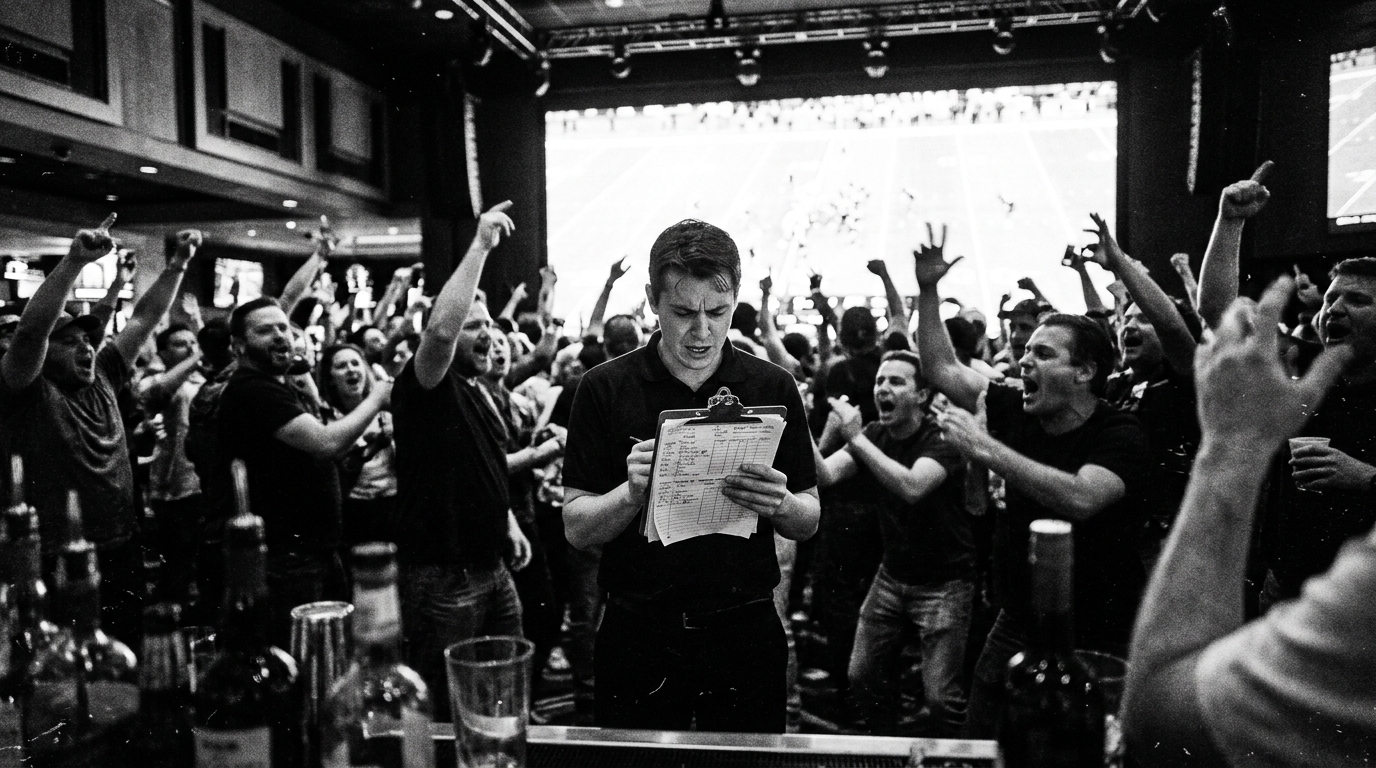
So here's what actually happened. A 246-key casino resort in Arizona ran a $500,000 promotional campaign through its sports bar during March Madness, selecting winners every 30 minutes on Saturdays, funneling everything through its Fortune Club loyalty program, and layering in a sportsbook with a 47-foot video wall, live betting, and a separate $125,000 bingo promotion running simultaneously. That's a LOT of systems talking to each other. And nobody's talking about the systems.

Let's talk about what this actually does at the infrastructure level. You've got a loyalty program that has to track eligibility in real time. You've got a sportsbook processing live wagers during peak tournament windows. You've got POS systems in the sports bar handling food and beverage at volume. You've got room management for 246 keys with guests who are there specifically because of the promotion (meaning check-in clusters, meaning front desk load, meaning housekeeping sequencing gets weird). And you've got a promotional engine that needs to select and verify winners every 30 minutes for four hours straight. That's not a simple Saturday. That's an integration stress test. The question nobody's asking at these "March Mania" events is what the failure mode looks like. What happens when the loyalty system can't confirm eligibility fast enough and you've got a crowd waiting for their name to be called? What happens when the sportsbook feed lags during a buzzer-beater and 200 people are trying to place live bets simultaneously? I talked to a tech director at a regional casino last year who told me their promotional system crashed during a UFC fight night... not because of volume, but because the loyalty API timed out and the fallback was literally a guy with a clipboard. A clipboard. In 2025.

Look, I get the business case. March Madness is massive... $15.5 billion in sports betting in 2023, host cities seeing 109% hotel revenue spikes during tournament weekends, sports bars getting a 25% bump in new visitors. Casino resorts should absolutely be building programming around this. The question is whether the technology infrastructure matches the ambition of the promotion. A $500,000 prize pool is a marketing decision. The system architecture that has to deliver it in real time across loyalty, gaming, F&B, and rooms... that's an engineering decision. And in my experience, the marketing budget gets approved six months before anyone asks the tech team if the pipes can handle it.

The Dale Test question here is brutal. It's not 2 AM with one night auditor (though that matters too... who's monitoring system health overnight when the promotion crowd has gone home but the sportsbook is still live for West Coast games?). It's 6 PM on a Saturday when everything peaks at once. Can the least technical person on the floor troubleshoot a loyalty verification failure while guests are waiting and the next drawing is in 12 minutes? If the answer requires calling someone who's not in the building, you've got a gap between your promotional ambition and your operational readiness that no 47-foot video wall is going to fix.

What's actually interesting about this story isn't the promotion itself... every casino resort with a sportsbook runs some version of March Madness programming. It's that the complexity of these multi-system, real-time, high-volume events is growing faster than most properties' integration architecture can support. The promotional stakes go up every year. The vendor stack gets more fragmented. And the person who has to make it all work on the floor is still the same ops manager who was there last year with one more system to babysit and the same staffing budget.

Operator's Take

If you're running a casino resort or any property with a sportsbook and loyalty-driven promotions, here's what I'd do before your next big event. Map every system that has to communicate in real time during peak... loyalty, POS, sportsbook, PMS, promotional platform. Then ask your vendor for each one: what's the failure mode and what's the manual fallback? If you don't have a documented answer for every system, you're running a half-million-dollar promotion on hope. Stress-test before the event, not during it. And make sure whoever's on the floor that night knows the fallback plan without having to call anyone. The promotion is the show. The tech stack is the stage. If the stage collapses, nobody remembers the show.

— Mike Storm, Founder & Editor
Read full analysis → ← Show less
Source: Google News: Casino Resorts
End of Stories