Bakersfield Is About to Tax Every Airbnb in Town. Your City Is Probably Next.
Bakersfield's city council is moving to slap a 12% transient occupancy tax on every short-term rental operating in its borders, plus $500 in annual fees per host. For hotel operators who've been paying that tax for decades, the question isn't whether this levels the playing field... it's whether it actually changes anything on the ground.
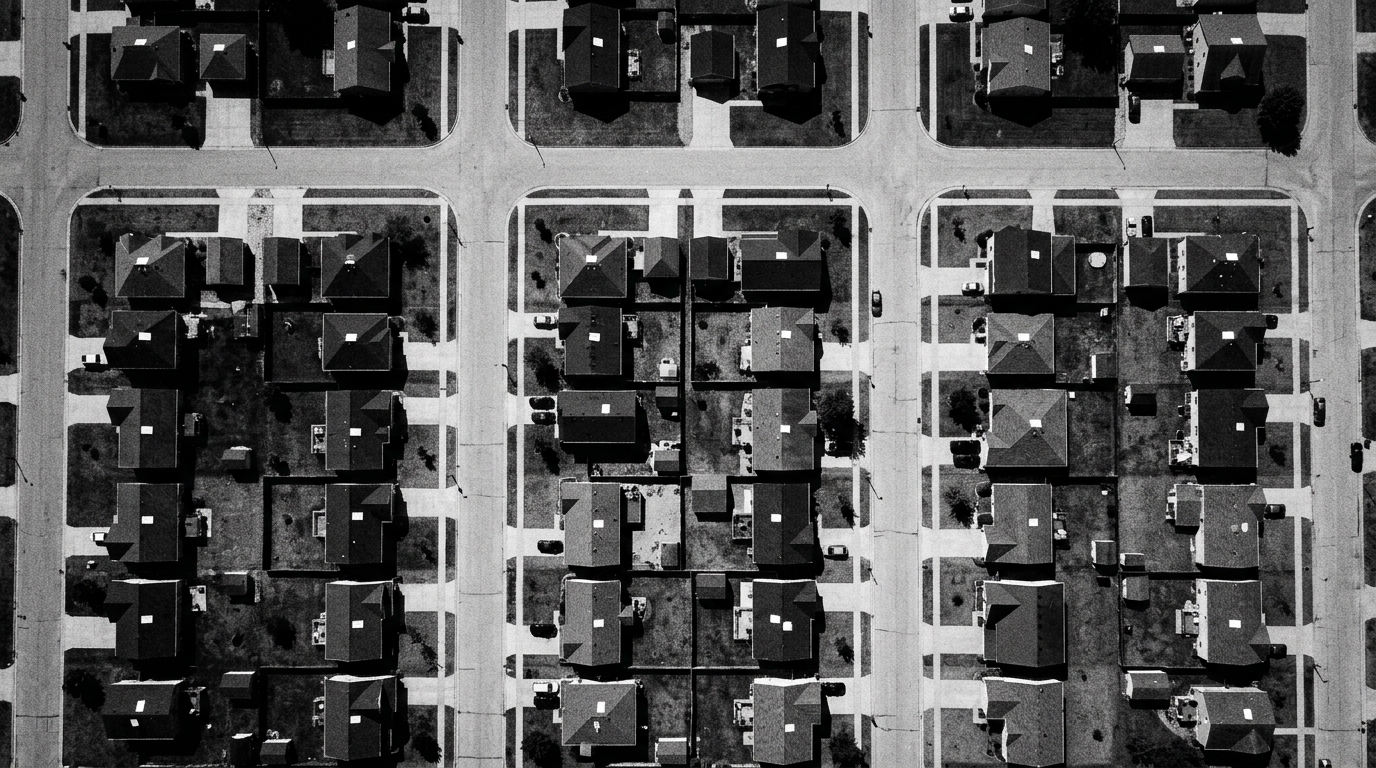
I talked to an independent hotel owner last month who pulled up his city's Airbnb map on his phone and just started counting dots. Forty-seven listings within a two-mile radius of his 80-key property. "Every single one of these is operating tax-free," he said. "I'm paying six figures a year in transient occupancy tax. They're paying zero. And the city wonders why I can't compete on rate." That conversation has been happening in every secondary market in America for years. Bakersfield is finally doing something about it.
So here's what's actually happening. The Bakersfield City Council did a first reading on May 27 of an ordinance that would require every short-term rental in the city to register, get a permit, and pay the same 12% TOT that hotels already pay. Plus an annual permit fee of $250, a business license fee of $100, and a $150 fire safety inspection. That's $500 in fixed costs before a single guest books. For context, AirDNA data from June 2026 shows the average Bakersfield STR pulling about $16,500 in annual revenue at 55% occupancy. The TOT alone would add roughly $1,980 per year on that average. The total new cost burden is somewhere around $2,480... which is about 15% of gross revenue for the average host. That's not nothing. Some of those lower-performing listings are going to disappear. Not all of them. But the ones running at 35% occupancy and barely breaking even? They're done.
Look, the part of this that actually matters for hotel operators isn't the tax itself. It's what happens to supply. The interesting data point here is the wild variance in how many STRs are actually operating in Bakersfield... reports range from 302 to over 1,500 depending on the source and methodology. That spread tells you something important: nobody really knows how many units are in the market, which means nobody really knows how much demand they're absorbing. The regulation forces registration, which means for the first time, the city (and by extension, local hotel operators) will have an actual count. That data is more valuable than the tax revenue. You can't build a rate strategy against competition you can't measure.
The technology angle here is what I keep coming back to. The ordinance requires a 24-hour local contact for every STR. That's a compliance requirement that platforms like Airbnb could theoretically solve with automated tools... but haven't. Whether that's a product prioritization decision, a liability calculation, or just the usual gap between what platforms could build and what they've chosen to build, I don't know. What I do know is that the real question is enforcement. I've seen cities pass these ordinances and then have zero infrastructure to actually monitor compliance. No database integration with the platforms. No automated cross-referencing of listings against permits. No staff to investigate violations. The ordinance is a PDF. Enforcement is a system. And most cities don't have the system. If Bakersfield doesn't invest in actual compliance technology (and $250 per permit doesn't fund much), this becomes one of those regulations that punishes the hosts who follow the rules and ignores the ones who don't. Which is basically the current situation with extra paperwork.
The broader pattern is undeniable though. This is happening everywhere... World Cup host cities, Nevada, European markets, and now mid-sized California cities. The regulatory window for unregulated STR operation is closing, and it's closing faster in markets where hotel operators have organized and pushed back. If you're in a market where STRs are still operating without TOT parity, the Bakersfield ordinance is a template. The numbers ($250 permit, $100 business license, $150 fire inspection, 12% TOT) are reasonable enough that they're hard to argue against politically, and aggressive enough that they'll thin the herd of marginal operators. That's the whole point.
Here's what I'd actually do with this. If you're an independent or a branded select-service in a market where STRs are still tax-free, pull the Bakersfield ordinance language and hand it to whoever on your local hotel association has a relationship with city council. This is a ready-made template... the fee structure, the safety requirements, the 24-hour contact mandate, all of it. Second thing: go to AirDNA or a similar platform and pull the STR count for your three-mile radius right now. Know the number. Know the average rate. Know the occupancy. When your market eventually passes its own version of this, you want to be the operator who already understands the competitive landscape, not the one scrambling to figure it out. The cities that move first on STR regulation are creating a playbook. Use it before your market catches up on its own... because it will.