A 78-Year-Old Man Fell in a Casino Elevator. He Died Three Weeks Later. The Lawsuit Says It Wasn't an Accident.
A wrongful death suit against the Aquarius Casino Resort in Laughlin alleges "systemic failure" in elevator maintenance after a guest became quadriplegic from a fall and died weeks later. If you're an operator who hasn't pulled your vertical transport inspection records this quarter, this is the story that should change that.
I worked with a chief engineer once who kept a binder... thick, beat-up, coffee-stained... on his desk labeled "Things That Can Kill Someone." Not safety manuals. Not OSHA checklists. His own list, organized by building system, with dates of last inspection and notes in red pen when something was overdue. Elevators were on page one. He told me once, "Mike, everything else in this building is an inconvenience when it breaks. These are the things that end careers and end lives." He wasn't being dramatic. He was being precise.
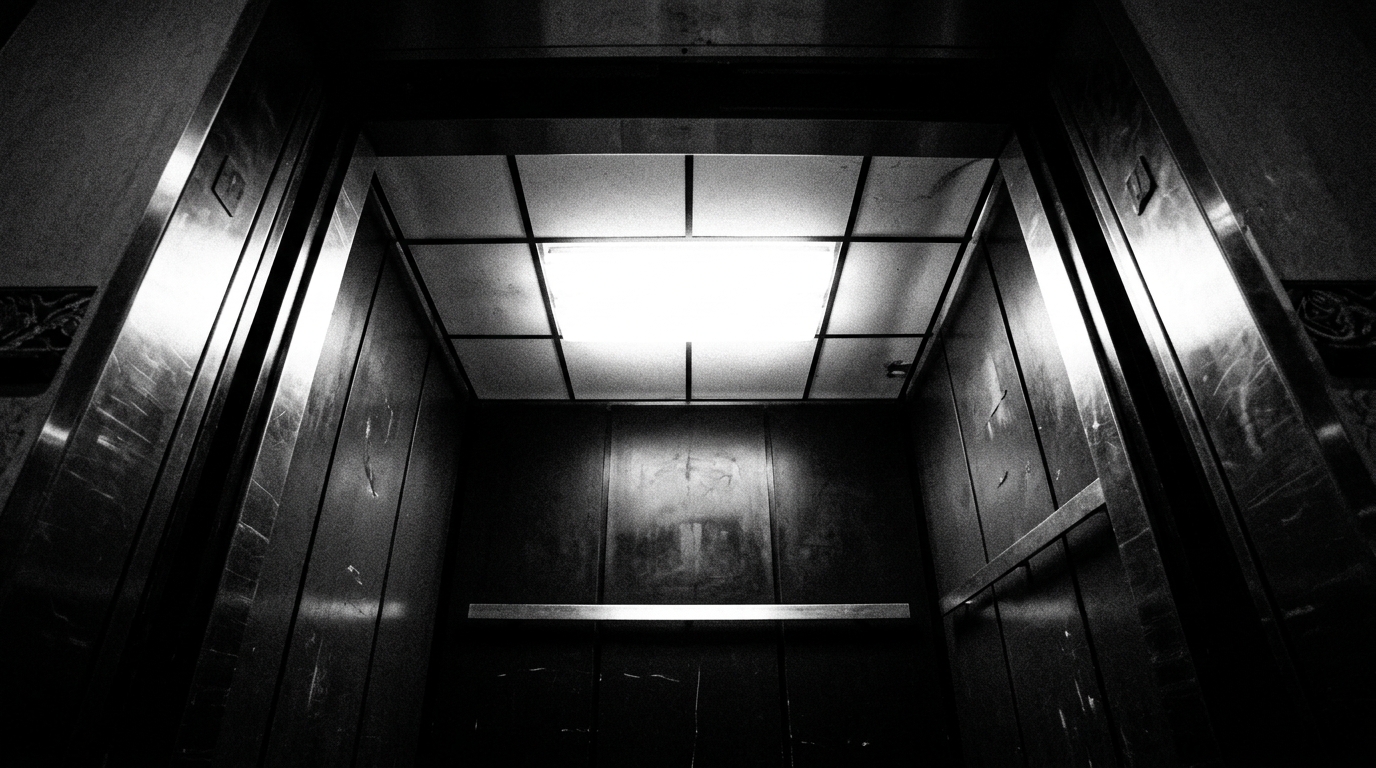
Theodore Webber was 78 years old. He was exiting an elevator at the Aquarius Casino Resort in Laughlin, Nevada on October 13, 2025. Something went wrong. He fell. He became quadriplegic. He died on November 3rd, three weeks later. His family filed a wrongful death lawsuit on April 8th, naming both the casino and an unspecified elevator maintenance company as defendants. They're seeking more than $2.5 million in medical and funeral costs, plus compensatory and punitive damages. The legal filing uses the phrase "systemic failure." The family says the property has been uncooperative in turning over incident reports and surveillance footage.
Here's what hits me about this. The Aquarius isn't some forgotten property on the edge of nowhere. It's owned by Golden Entertainment, a publicly traded company (at least for now... shareholders just approved a go-private deal with the CEO and a sale-leaseback of seven casino properties to VICI Properties, including this one, expected to close mid-2026). Golden reported Q4 2025 revenue of $155.6 million, down from $164.2 million the year before, with a net loss of $8.5 million for the quarter. So you've got a property in a portfolio that's under financial pressure, in the middle of a massive ownership transition, and now a lawsuit alleging that basic life-safety maintenance wasn't handled. I'm not drawing conclusions about causation. I am saying I've seen this pattern before... when ownership is in flux and the P&L is tight, maintenance budgets are exactly where corners get cut. And vertical transport (elevators, escalators) is the most dangerous place to cut them.
The lawsuit invokes "res ipsa loquitur," which is a legal way of saying "this kind of thing doesn't happen unless somebody was negligent." And look... I'm not a lawyer. But I've been the guy sitting in the conference room when the insurance adjuster shows up after an incident, and I can tell you this: the first thing they ask for is the maintenance log. The second thing they ask for is the inspection history. The third thing they ask for is the vendor contract. If any of those three things has a gap... a missed inspection, an expired service agreement, a deferred repair that was flagged and not addressed... you are done. The conversation shifts from "was there negligence" to "how much is this going to cost." Every time.
This is what I call the CapEx Cliff. Deferred maintenance crosses from savings to asset destruction before the owner sees it. Except in this case, it didn't destroy an asset. A man is dead. His wife is a widow. And every operator reading this needs to understand something: your elevator maintenance contract, your inspection cadence, your documentation... that's not a line item to be optimized. That's the thing standing between you and this exact headline with your property's name in it. The going-private deal, the VICI sale-leaseback, the quarterly losses... none of that matters to the family that lost a husband and a father. And none of it will matter to a jury.
If you're a GM or a chief engineer at any property with elevators or escalators, pull your vertical transport maintenance records tomorrow morning. Not next week. Tomorrow. Confirm your service contract is current, confirm your last state inspection is documented and on file, and confirm every open work order related to vertical transport has a resolution date. If your vendor is behind on scheduled maintenance, put it in writing that you've escalated it... email, not a phone call, because phone calls don't exist in discovery. If your ownership group has been deferring capital on elevator modernization, send them this story with a one-page summary of your exposure. Don't wait to be asked. Be the operator who brought it up first with a plan already formed. The $15,000 or $50,000 or $200,000 that modernization costs is a rounding error compared to what this lawsuit is going to cost Golden Entertainment.