Hyatt's All-Inclusive Power Play Already Happened. Here's What You Missed.
A recycled "coming soon" headline about a resort that opened in 2019 is masking the real story: Hyatt bought the operator, sold the dirt, kept the management contracts, and locked in 50-year fee streams. If you're an owner watching this playbook, you should be taking notes... and asking hard questions.
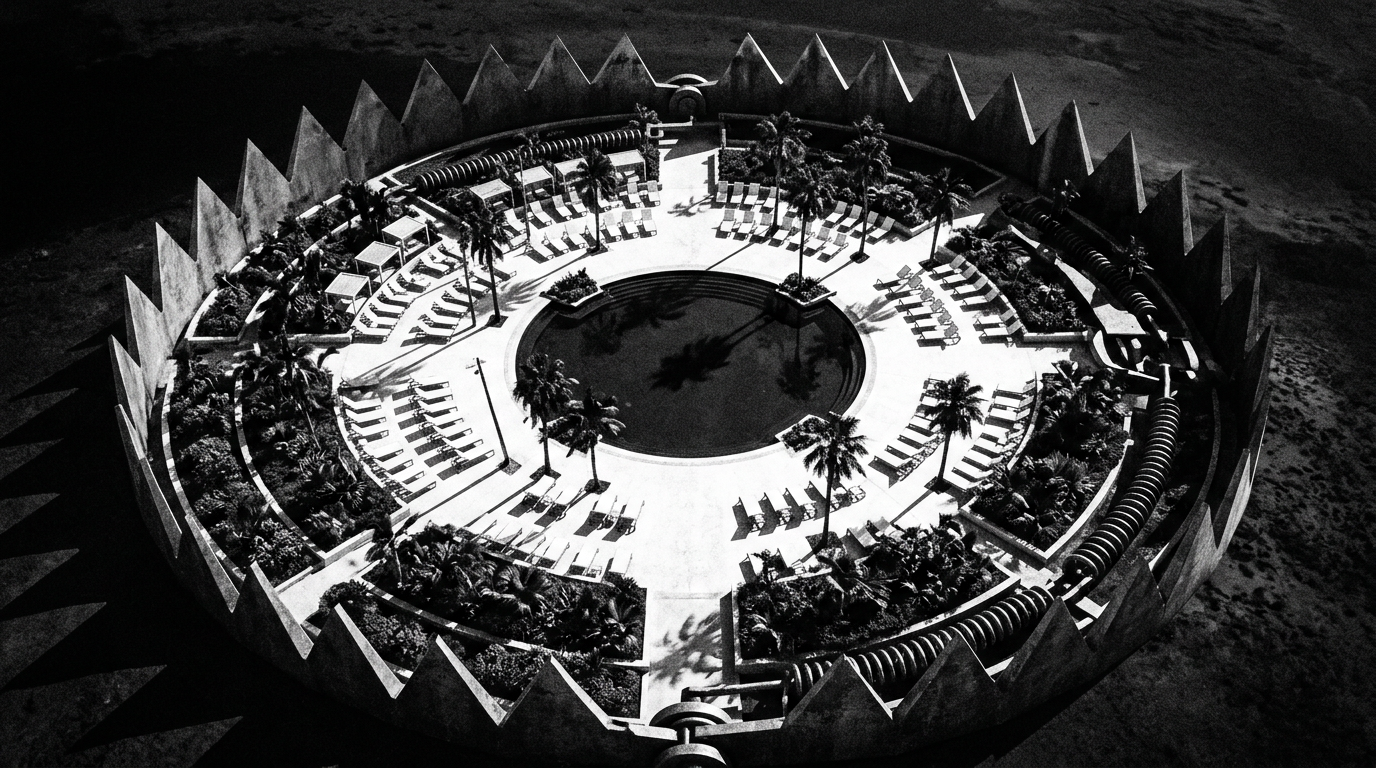
Let me save you a click. That "groundbreaking family-friendly luxury resort coming soon to the Dominican Republic" headline floating around? The Hyatt Ziva Cap Cana opened in December 2019. It's been operating for over six years. The fact that this press language is still circulating tells you something about how brand marketing works... the announcement cycle never actually ends, it just keeps recycling itself until someone notices. (Someone noticed.)
But here's why I'm writing about it anyway, because underneath the stale headline is one of the most aggressive asset-light conversions in recent hospitality history, and most people aren't connecting the dots. Hyatt acquired Playa Hotels and Resorts for roughly $2.6 billion in June 2025, including $900 million in debt. That gave them 15 all-inclusive resorts, eight of which were already flying Hyatt Ziva and Zilara flags. Six months later... six months... Hyatt flipped 14 of those 15 properties to Tortuga Resorts (a KSL Capital Partners and Rodina joint venture) for approximately $2 billion, retained $200 million in preferred equity, locked in up to $143 million in performance earnouts, and signed 50-year management agreements on 13 of the 14 properties. Read that again. They bought the operator, stripped the real estate, kept the fee stream, and walked away with half a century of management revenue locked in before most owners finished reading the press release. That is not a resort opening story. That is a masterclass in asset-light execution, and whether you admire it or it makes your stomach turn depends entirely on which side of the table you're sitting on.
Now here's where my brand brain starts asking the uncomfortable questions. Fifty-year management agreements. Fifty. I've been in franchise development. I've written brand standards. I've sat across the table from owners who signed 20-year franchise agreements and felt like they were signing away their firstborn. Fifty years is generational. That means the owner group (Tortuga, backed by institutional capital) is betting that Hyatt's brand relevance, distribution power, and loyalty contribution will hold for five decades. And Hyatt is betting that they never have to actually own the building again while collecting fees through every cycle, every downturn, every renovation, every shift in consumer behavior between now and 2075. The question nobody's asking is... what does the performance guarantee look like? Because I've read enough management agreements to know that "long-term" often means "favorable to the manager." If the loyalty contribution underperforms, if the all-inclusive segment softens, if Cap Cana falls out of favor with the luxury traveler (and destinations do fall out of favor... ask anyone who was bullish on Cancun in 2008), who absorbs that risk? Not the company collecting the management fee. The company holding the real estate. Always.
I watched a family lose their hotel once because the franchise projections promised 35-40% loyalty contribution and the actual number came in at 22%. The brand wasn't lying exactly... they were projecting optimistically, which is what brands do when franchise fees are on the line. But optimism doesn't make your debt service payment. Tortuga's investors are presumably more sophisticated than a multi-generational family ownership group, and $2 billion suggests they've done the math. But I still want to see the underwriting, because the all-inclusive segment is hot right now... Hyatt's entire Inclusive Collection strategy (Apple Leisure Group in 2021, the Bahia Principe joint venture in 2024, now Playa) is built on the assumption that demand for branded all-inclusive luxury is secular, not cyclical. That's a big assumption. Consumer travel preferences shifted dramatically twice in five years. Fifty years is a long time to be right.
Here's what I think is actually happening, and it's bigger than one resort in the Dominican Republic. Hyatt is building a toll road. They don't want to own the cars or pave the asphalt. They want to collect the fee every time someone drives through. The Playa acquisition, the immediate real estate sale, the 50-year agreements... this is the template. Every owner, every developer, every asset manager watching the all-inclusive space should understand that when a major brand says "we're expanding our inclusive collection," what they mean is "we're expanding our fee base and you're providing the capital." That's not inherently bad. Brands provide distribution, loyalty traffic, operational standards, purchasing power. But if you're the owner, you need to know exactly what you're paying for and exactly what you're getting. Not the projected number. The actual number. Pull the FDD. Compare the projections from three years ago to the actuals today. The variance will tell you everything the brand presentation won't. My filing cabinet doesn't lie. Neither does yours, if you're keeping one. (You should be keeping one.)
Look... if you're an independent resort owner in the Caribbean or Mexico watching Hyatt stack 50-year management deals across the all-inclusive segment, here's your move. Pull every FDD you can get your hands on for branded all-inclusive properties and compare projected loyalty contribution to actual delivery at year three. That number is your reality check. If a brand rep shows up with a conversion pitch and projections north of 30% loyalty contribution, make them show you five comparable properties that are actually hitting that number today. Not projected. Actual. If they can't... you have your answer.