Dynamic pricing is a revenue management strategy in which hotels adjust room rates in real-time based on demand fluctuations, competitive positioning, market conditions, and other variables. Rather than maintaining fixed rates, hotels using dynamic pricing algorithms modify prices to optimize revenue per available room across different booking windows and customer segments.
The strategy has become increasingly sophisticated with advances in data analytics and artificial intelligence. Hotels leverage historical booking patterns, occupancy forecasts, competitor rates, local events, and seasonal trends to inform pricing decisions. Implementation ranges from simple demand-based adjustments to complex algorithmic systems that process hundreds of variables simultaneously.
For hotel operators and owners, dynamic pricing directly impacts revenue per available room and overall profitability. The approach requires investment in technology infrastructure and skilled personnel to manage pricing systems effectively. Investors view dynamic pricing capabilities as a competitive advantage, particularly as distribution channels evolve and market transparency increases. Effective execution depends on balancing revenue optimization with customer perception and brand positioning.

98% of hotel owners say they've adopted AI, but only 7% have a strategy for it... and the gap between those two numbers explains why the technology keeps cutting labor instead of growing revenue.

Hotels are spending billions on AI tools that mostly automate what a sharp night auditor already handles, while the revenue-generating potential sits locked behind the same fragmented tech stack nobody wants to fix.

Hyatt is replacing its three-tier award system with five tiers that push top redemptions up 67%, and they want you to believe keeping a published chart makes this fundamentally different from what Marriott and Hilton did. The architecture tells a different story.
📡
Get the Briefing Every Morning at 6AM
Join hotel operators, owners, and investors who start their day with InnBrief.
Free forever. Unsubscribe anytime. No spam — just signal.
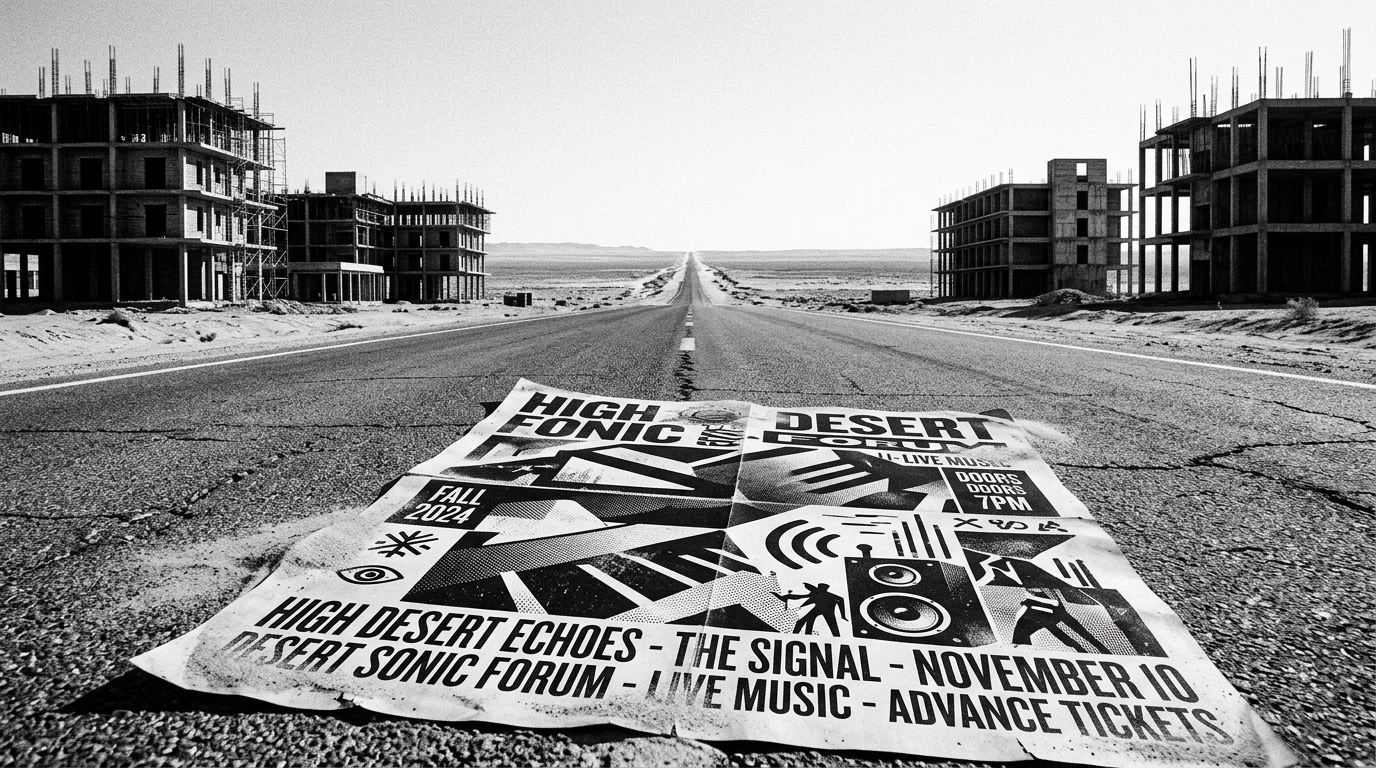
The Mojave Desert's growing live music circuit is pulling visitors into markets where five new hotels are under construction and a 155-room property just sold for $41 million. The question isn't whether the demand is real... it's whether operators in these corridors know how to capture it before it drives past them.

Festivalgoers are melting down over last-minute artist cancellations at Coachella 2026, but the $1,025-per-night Airbnb rates and 26% hotel premiums aren't going anywhere. The real technology story is what happens when 250,000 people hit a market and your revenue management system has to decide what "demand disruption" actually means.

Operations
Primary
Apr 11
Disney World just pushed peak single-day tickets to $209 and raised hotel rates 4-5% for 2026, and most guests barely noticed. If you're still agonizing over a $7 rate increase on your best-selling room type, you're playing a different game than the people who are winning.

Airbnb just launched an earnings calculator and a cash incentive to flood World Cup host cities with new short-term rental supply. If you're a hotel operator in one of those 16 markets, the math on what this does to your compression pricing is worth running before June.

The AI-in-hospitality market is projected to hit $2.28 billion by 2030, and venture capitalists have dumped over $2 billion into AI hotel startups in 18 months. The question nobody's asking is whether any of it passes the night audit test.

Technology
Primary
Mar 20
Hilton just raised award redemption rates for the fourth time in a year and introduced variable "standard" pricing that makes the whole system less predictable. But the real story isn't about points... it's about the backend architecture that's quietly shifting cost and complexity onto property-level teams.

Hyatt says it's preserving its published award chart while expanding from three redemption tiers to five. The math tells a different story... Category 8 peak redemptions jumping from 45,000 to 75,000 points isn't preservation. It's a 67% devaluation with better PR.

Hyatt just turned its three-tier award chart into a five-tier system with 78 possible redemption prices, and while they're calling it "transparency," every owner paying loyalty assessments should be doing very different math right now.

Connecticut, Maryland, Ohio, and Tennessee are pushing bills broad enough to regulate how your hotel sets rates tonight... and the penalties in some of these states make your annual RMS subscription look like a rounding error.

Marriott just raised the points top-off cap on Free Night Awards from 15,000 to 25,000, unlocking 733 more properties for certificate holders. It's being celebrated as a member win. Let's talk about why it exists in the first place.

Technology
Primary
Mar 13
The industry is racing to adopt AI-powered dynamic pricing and bundling that changes rates millions of times a day. The question nobody's asking: what happens when this system meets a 200-key select-service with one person on the overnight shift and a PMS from 2017?

Expedia is rebuilding its platform around AI agents that book travel on behalf of guests, cutting humans out of the search-and-compare loop entirely. If you're an independent operator who spent the last five years investing in direct booking, you need to understand what this means before the agents start making decisions your guests used to make.

Everyone's publishing where to stay for 2026. Nobody's talking about what happens inside those hotels when 400,000 fans show up at once.

Radisson and Amadeus just flipped the switch on AI-powered booking connectivity. If you think this is just another tech announcement, you're about to get blindsided.