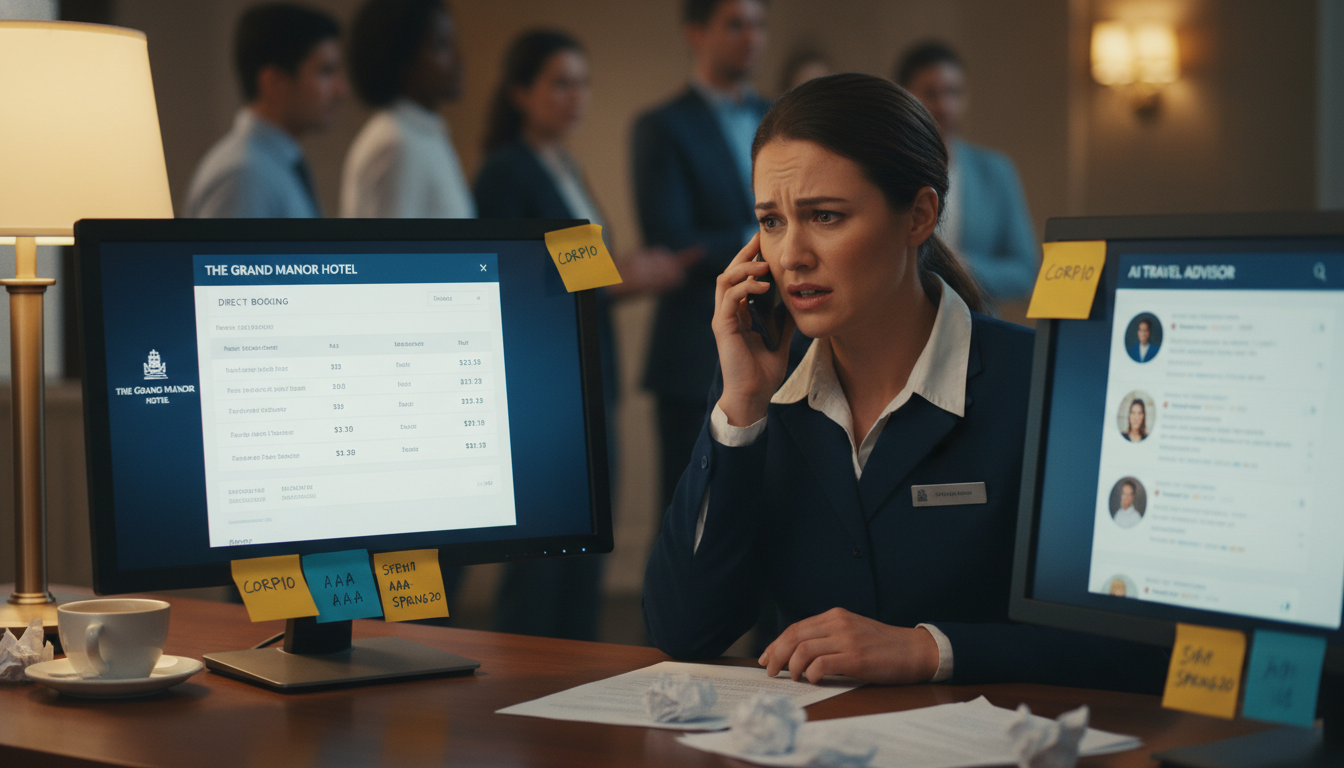
Artificial Intelligence Disruption represents a significant competitive and operational threat reshaping the hotel industry. Major chains including Marriott International and Hilton Worldwide Holdings have publicly acknowledged concerns about AI's disruptive potential to their business models, signaling that industry leaders view technological displacement as a material risk requiring strategic response.
The disruption encompasses multiple dimensions affecting hotel operations, from labor displacement in housekeeping and front-desk functions to revenue management challenges and guest experience transformation. AI applications in dynamic pricing, personalization, and automation threaten traditional competitive advantages while creating new operational efficiencies for early adopters. Hotels face pressure to invest in AI capabilities while managing workforce transitions and maintaining service quality standards that differentiate premium brands.
For hotel operators and investors, AI disruption presents both existential risk and opportunity. Properties that fail to integrate AI-driven systems risk losing competitive positioning, while those that successfully implement these technologies may achieve significant cost reductions and revenue optimization. The competitive stakes are particularly high for large chains managing thousands of properties where AI-driven efficiency gains compound across portfolios.
When two hospitality giants start warning investors about artificial intelligence threats in their SEC filings, it's not about robots taking jobs. It's about something much more expensive.
📡
Get the Briefing Every Morning at 6AM
Join hotel operators, owners, and investors who start their day with InnBrief.
Free forever. Unsubscribe anytime. No spam — just signal.
The InnBrief Daily
92% open rate — operators read this.
Hotel industry intelligence in your inbox every morning at 6AM. No fluff.