2 stories·First covered Feb 17, 2026·Latest Feb 11
Brand Loyalty Programs represent structured systems through which hotel chains incentivize repeat customer visits and spending through rewards, points accumulation, and exclusive benefits. These programs form a critical revenue driver and competitive differentiator in the hospitality industry, directly influencing customer lifetime value and booking patterns across branded properties.
For hotel operators and owners, loyalty programs serve multiple strategic functions: they generate predictable revenue streams through membership fees and point sales, provide valuable first-party customer data for marketing purposes, and create switching costs that reduce customer churn. Major chains including Marriott and Hilton have invested substantially in program modernization and integration with emerging technologies to maintain competitive advantage.
Industry stakeholders increasingly recognize loyalty programs as vulnerable to disruption from artificial intelligence and alternative booking platforms. The programs' effectiveness depends on maintaining member engagement, managing point inflation, and balancing redemption costs against customer acquisition expenses. Program design decisions directly impact hotel profitability and shareholder returns, making loyalty strategy a key governance and operational consideration for hospitality companies.
A CEO resigns over ties to a convicted predator. The brand machine mourns leadership. But the real question is why it took this long — and what the franchise agreement says about reputational risk flowing downhill.
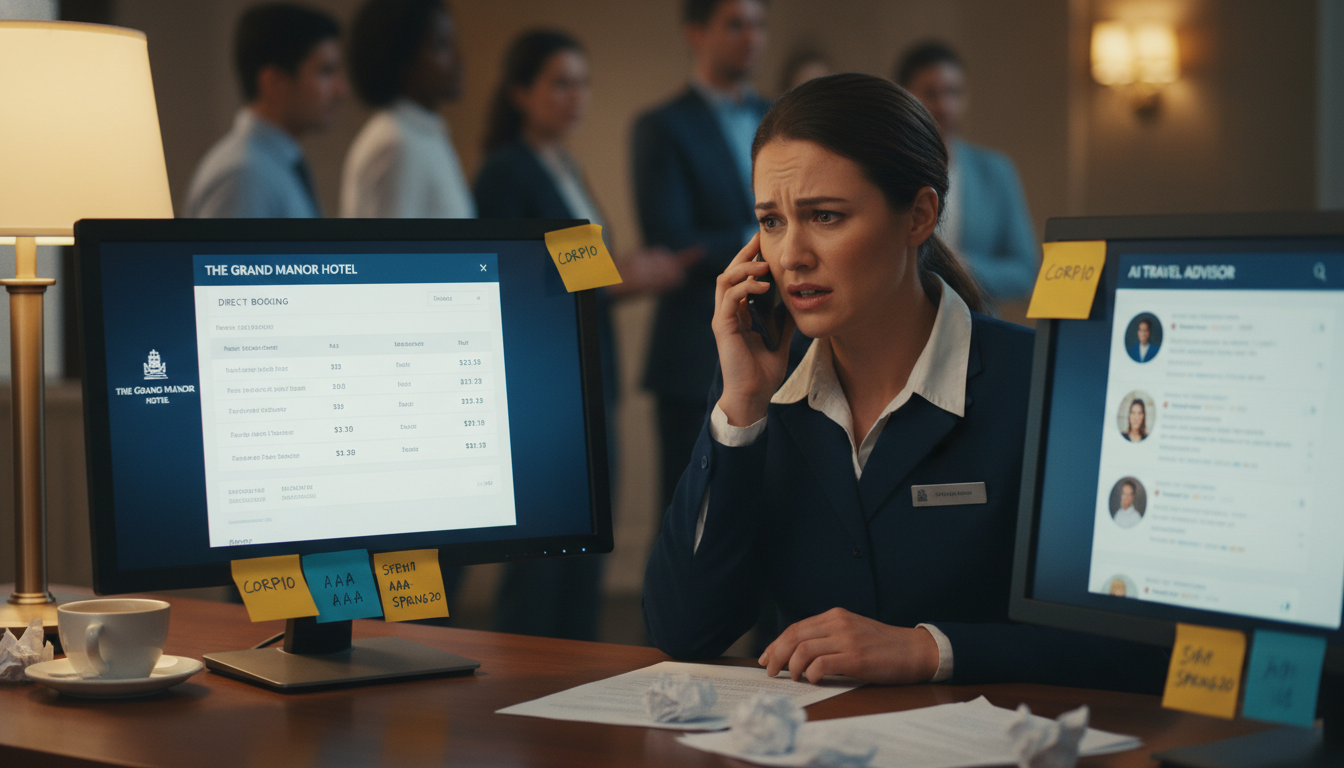
When two hospitality giants start warning investors about artificial intelligence threats in their SEC filings, it's not about robots taking jobs. It's about something much more expensive.
📡
Get the Briefing Every Morning at 6AM
Join hotel operators, owners, and investors who start their day with InnBrief.
Free forever. Unsubscribe anytime. No spam — just signal.
The InnBrief Daily
92% open rate — operators read this.
Hotel industry intelligence in your inbox every morning at 6AM. No fluff.