A Retired Police Dog Just Became Hyatt's Smartest Brand Move This Quarter
The Park Hyatt Canberra just installed a retired bomb-sniffing dog as its permanent "ambassadog." Sounds like fluff. It's not. This is a masterclass in earned media that most GMs can't replicate... and shouldn't try to.
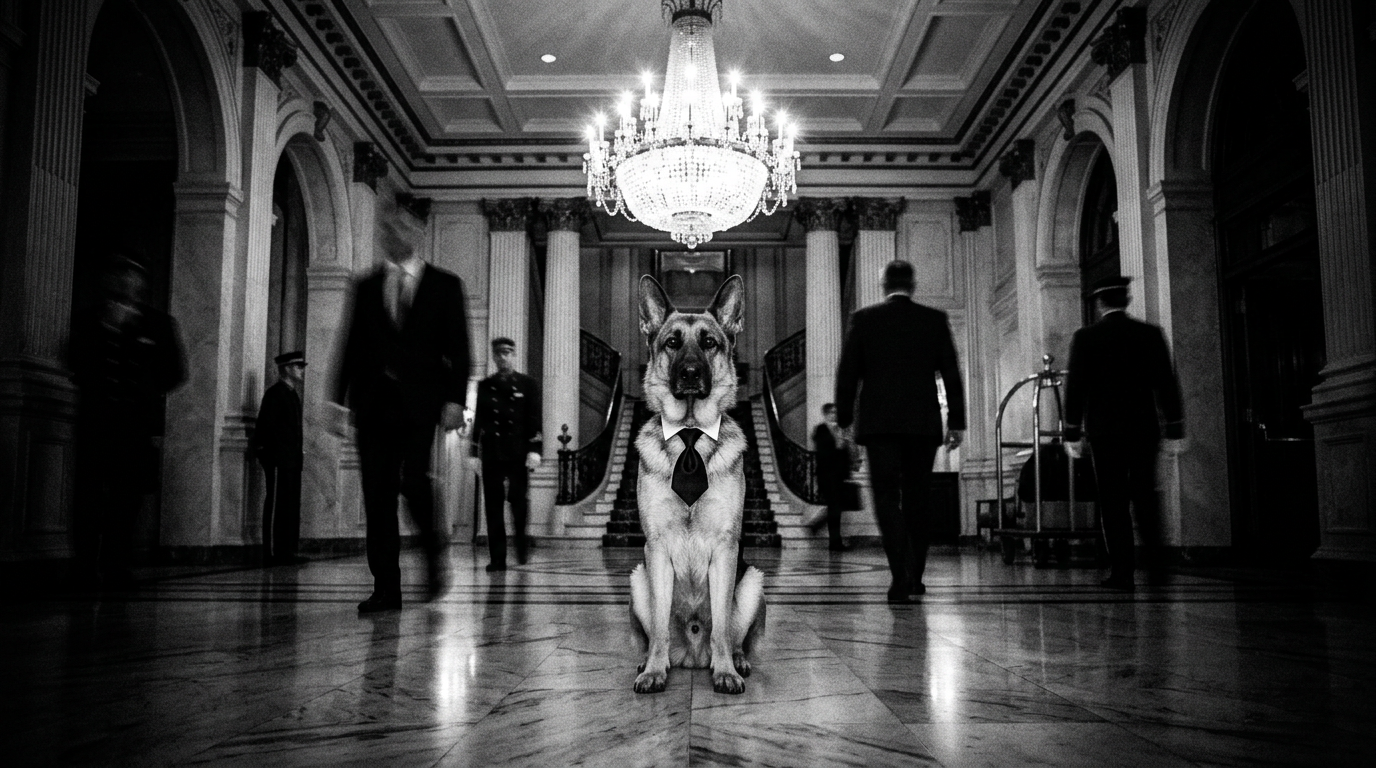
Let me tell you what happened. A Park Hyatt in Canberra, Australia took in a retired Australian Federal Police detection dog named Pixel... seven years old, decorated career, calm temperament... and gave her a title, a bed, and a job greeting guests in the lobby. The GM said it "aligns with our philosophy of creating a welcoming and memorable experience." The AFP superintendent said the dog deserves a comfortable retirement. Everyone smiled. The press ate it up.
And here's the thing... it's actually smart. Not in the way the press release tells you (heartwarming partnership, blah blah). It's smart because this hotel just generated international media coverage for the cost of dog food and a vet bill. That's an ROI most marketing directors would commit crimes for. Think about what earned media like this costs to manufacture. A single placement in a national outlet runs $15-20K in PR agency fees if you're buying the strategy and the pitching. This story ran everywhere. Local papers, travel blogs, social media... the kind of organic reach that a $50K digital campaign can't touch. And it reinforces the exact positioning a Park Hyatt needs: we're not a cookie-cutter luxury box, we're a property with personality and a story you'll tell at dinner.
But here's where I pump the brakes. I've seen this movie before. A GM at a boutique property I knew years ago adopted a rescue cat as the hotel's "resident feline ambassador." Great idea. Guests loved it. TripAdvisor reviews mentioned the cat by name. Then a guest had an allergic reaction. Then another guest complained the cat was on the lobby furniture. Then the health department had questions about the breakfast area. Within eight months, the cat was living at the GM's house and the hotel was dealing with a handful of one-star reviews from people who came specifically to see the cat and were told it was "no longer in residence." The PR giveth and the PR taketh away.
The Canberra property has an interesting wrinkle here. Their published pet policy explicitly states they don't allow pets except service animals. So Pixel is either an exception they'll need to formalize, or they're quietly shifting toward the pet-friendly positioning that Park Hyatt Melbourne rolled out in May 2025 with dog-friendly rooms. Either way, someone in brand standards had to sign off on this, which tells you Hyatt sees the pet-inclusive trend as worth the operational complexity. And it IS complex. Liability. Allergens. Housekeeping protocols. Guest complaints from the anti-dog crowd (they exist, and they write very detailed reviews). None of that is in the press release.
Look... I'm not against this. I think it's clever. I think the GM in Canberra knows exactly what he's doing. But the lesson for most operators isn't "go adopt a dog." The lesson is that the best marketing doesn't look like marketing. It looks like a story people want to tell. The question is whether you have the operational discipline to sustain the story after the cameras leave and you're the one picking up after a seven-year-old dog at 6 AM on a Tuesday. Because that's not a press release. That's a job.
If you're a GM at an independent or a soft-branded property and you're thinking about a resident animal program... slow down. Talk to your insurance carrier first, your health department second, and your housekeeping team third. Have a written protocol for allergic guests, a dedicated line item for veterinary care, and an exit strategy for when (not if) something goes sideways. The marketing upside is real. The liability is also real. Don't let a cute headline convince you to skip the boring operational work that makes it sustainable.