Today · Apr 7, 2026
A Waterpark Hotel Ignored Health Inspectors for Two Months. Then the TV Cameras Showed Up.

A Waterpark Hotel Ignored Health Inspectors for Two Months. Then the TV Cameras Showed Up.

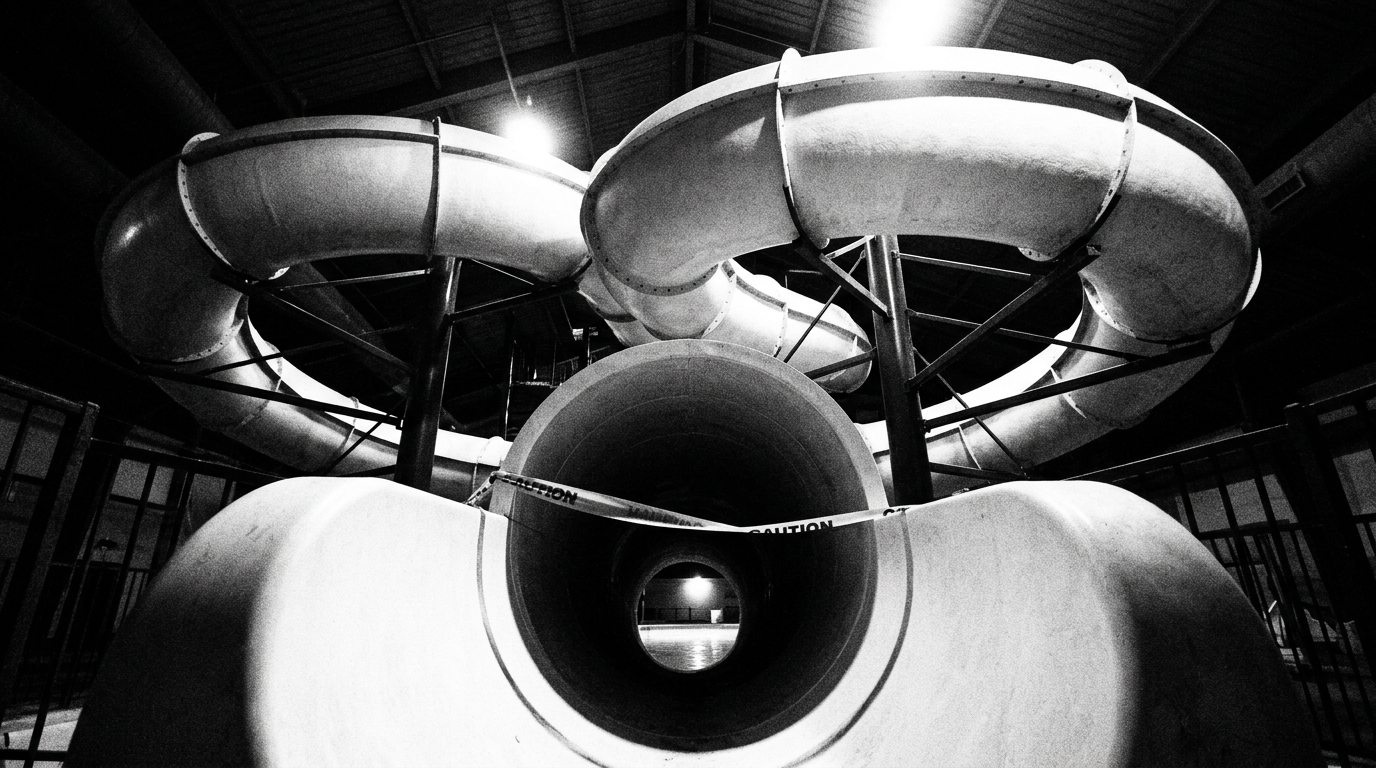
A 114-key Holiday Inn in Omaha kept its waterpark running for over two months after the health department revoked its permits. It only closed when a reporter stuck a microphone in management's face. And if you think this is just an Omaha story, you haven't been paying attention.

Let me tell you what happened here, because the timeline is the whole story. December 2025, the Douglas County Health Department finds significant violations at this property's waterpark... wrong disinfectant system, pH levels out of range, low chlorine on the splash pad, loose handrails. They order it shut down. The hotel keeps operating. February 28th, Omaha PD issues a citation to the owner and all permits are officially revoked. The hotel keeps operating. March 4th, a KETV reporter shows up, does an on-camera interview with management, and less than an hour later... the pool closes.

Two months of defying a health department order. A police citation. Permits yanked. None of it mattered until a camera crew walked through the door.

I've seen this movie before. Not exactly this version, but close enough. I knew a GM once who inherited a pool with a cracked main drain cover. He flagged it to ownership, got told to "manage it" because the replacement part was $2,800 and they were in the middle of budget season. He shut the pool himself that afternoon. Called ownership back and said "I shut it down, the part's on order, and I'm not reopening it until it's installed. If you want to fire me for that, fire me." They didn't fire him. They bought the part. That's the difference between an operator who gets it and one who doesn't. The operator who gets it understands that the moment you KNOW about a safety issue and choose to keep operating, you've moved from "problem" to "liability." And the liability math is catastrophic.

Here's what nobody's talking about. The management company here, Avant Hotels, runs 11 properties in Nebraska. This isn't a rogue night manager making a bad call. This is an organizational decision to continue operating an attraction that the county health department said was unsafe. For two months. That's not a mistake. That's a strategy... one that bet the PR wouldn't catch up before they could fix things on their own timeline. And the strategy worked, right up until it didn't. The operator claims they addressed the issues in December and documented water quality every four hours. The health department says the pool was operating illegally the entire time. Both of those things cannot be true.

And where was the brand? KETV reached out to IHG. No comment. Look... I understand the franchise model. IHG doesn't operate this hotel. But their name is on the building. Their loyalty members are swimming in that pool (or were, for two months, while the permits were revoked). Every franchisor has quality assurance processes, inspection protocols, standards enforcement mechanisms. This property has "Waterpark" literally IN its hotel name under the IHG flag. At some point, the brand has to answer for what happens under its sign, or the sign means nothing. If you're an owner paying 15-20% of revenue in total brand costs, part of what you're buying is the assurance that the brand protects its own reputation. When the brand goes silent on something like this, every franchisee in the system should be asking what they're actually paying for.

This is a 114-key property in a market that's already softening... Omaha saw occupancy and ADR both decline year-over-year as of late 2025, with RevPAR down roughly 4%. There's a 100,000 square foot indoor waterpark opening about 20 minutes away in early 2027. And this isn't even the first time Omaha's had a waterpark hotel shut down by health inspectors... a different property at a Ramada got hit with the same thing back in 2018. The pattern is clear. Waterpark amenities in hotel properties are operationally complex, maintenance-intensive, and regulated differently than a standard pool. If you're running one (or your owner is thinking about adding one), the compliance infrastructure has to be treated like life safety, not like an amenity upgrade. Because when it goes wrong, it doesn't go wrong quietly. It goes wrong on the evening news.

Operator's Take

If you operate a property with any aquatic amenity... pool, splash pad, waterpark, whatever... pull your compliance file this week. Confirm every permit is current, every inspection is documented, every chemical log is up to date. If something's out of compliance, shut it down TODAY, not when someone makes you. The math on this is simple: a closed pool costs you some guest complaints and maybe a few refunds. An open pool that shouldn't be open costs you your franchise agreement, your insurance coverage, and potentially your entire business. And if your owner pushes back on the cost of compliance, remind them that this Omaha property just became a national news story. That kind of exposure doesn't wash off with a press release.

Read full analysis → ← Show less
Source: Google News: IHG
IHG's Executive Share Grants Tell You Everything About Where the Money Goes

IHG's Executive Share Grants Tell You Everything About Where the Money Goes

IHG just handed its CEO over 6,500 shares at zero cost while U.S. RevPAR softened in Q4. If you're an owner writing PIP checks, you should know exactly how the company you're paying fees to is spending its windfall.

So IHG's senior executives just received their annual deferred share awards... CEO gets 6,572 shares, CFO gets 787, regional leads get their slice... all at nil consideration, which is the polite British way of saying "free." The shares vest in 2029 assuming the executives stick around, which, given that IHG just posted a 13% jump in operating profit to $1.26 billion and announced a $950 million buyback program, seems like a reasonably safe bet. This is not scandalous. This is not unusual. Every major publicly traded hotel company does some version of this. But here's why I think it's worth your attention anyway: because the story of WHO gets rewarded and HOW tells you everything about what a company actually values. And right now, IHG is telling you very clearly that it values its shareholders and its C-suite. The question is whether it's telling you the same thing about its owners.

Let me put this in brand terms, because that's where I live. IHG just launched Noted Collection, a luxury conversion brand designed to expand its upscale footprint by 48% over the next decade. That's ambitious. That's exciting, actually... I genuinely think conversion brands are smart strategy when they're done right (and IHG has a better track record than most on execution). But "48% upscale expansion" means IHG needs owners. Lots of them. Owners willing to convert existing properties, take on renovation debt, adopt IHG's systems, pay IHG's fees, and trust that the brand premium will justify the cost. Now zoom out: in the same quarter where IHG is asking owners to bet on its brands, it's returning $950 million to shareholders through buybacks and handing its executives free equity. The company generated $2.5 billion in revenue last year. It is, by every financial measure, thriving. The executives are thriving. The shareholders are thriving. And I just want to know... how are the owners doing?

Because here's what I keep coming back to. IHG's own CFO noted that U.S. RevPAR dipped in Q4 due to softening middle-class leisure travel. That's not a blip... that's a demand signal. And if you're an owner in a secondary market who just took on PIP debt to flag or reflag with IHG, a softening demand environment is where the math starts to get uncomfortable. Your franchise fees don't soften. Your loyalty program assessments don't soften. Your brand-mandated technology costs don't soften. Those are fixed obligations against variable revenue. The brand's fee income is protected because it's calculated on gross revenue, not on your profit. So when the cycle wobbles, the brand still eats. The owner absorbs the hit. I sat across the table from a family once who learned this lesson the hard way... projections that looked beautiful in the pitch deck turned into a debt service nightmare 30 months later. The brand was fine. The family lost their hotel.

I want to be clear: I'm not saying IHG is doing anything wrong. Deferred share awards are standard corporate governance for UK PLCs. The buyback program signals confidence. The Noted Collection launch is genuinely interesting strategy. IHG is, on paper, one of the best-run hotel companies in the world right now, and Elie Maalouf has earned the right to be compensated well. But "standard practice" and "right" aren't always the same thing, and I think owners deserve to see these filings and ask themselves a very simple question: is my return on this brand relationship proportional to the return the brand is generating for itself? Because IHG just told you it made $1.26 billion in operating profit. It just told you it's buying back nearly a billion dollars in stock. It just told you its executives are getting equity at zero cost that vests in three years. Now pull up your property P&L. Look at your total brand cost as a percentage of revenue. Look at your actual loyalty contribution versus what was projected. Look at your net owner return after fees, reserves, and debt service. Are you thriving too? Or are you the one funding the thriving?

That's the conversation I want owners to have. Not because IHG is the villain (they're not... they're a public company doing exactly what public companies do). But because the power dynamic between brands and owners only shifts when owners start reading the same filings the analysts read and asking the same questions. IHG returned over $5 billion to shareholders over five years. That money came from somewhere. It came from fees. It came from your hotels. You have every right to ask what you're getting back.

Operator's Take

Here's what I'd tell any owner flagged with a major brand right now... not just IHG, any of them. Pull your franchise agreement. Calculate your total brand cost as a percentage of gross revenue (include every fee, every assessment, every mandated vendor cost). Then compare your actual loyalty contribution to what was projected when you signed. If the gap is more than 5 points, you've got a conversation to have with your franchise rep. And if they point to systemwide RevPAR growth as justification, remind them that revenue growth without margin improvement isn't growth... it's a treadmill. The brands are doing great. Make sure you are too.

— Mike Storm, Founder & Editor
Read full analysis → ← Show less
Source: Google News: IHG
IHG's New Regent Spa Concept Is Gorgeous. Can Anyone Actually Staff It?

IHG's New Regent Spa Concept Is Gorgeous. Can Anyone Actually Staff It?

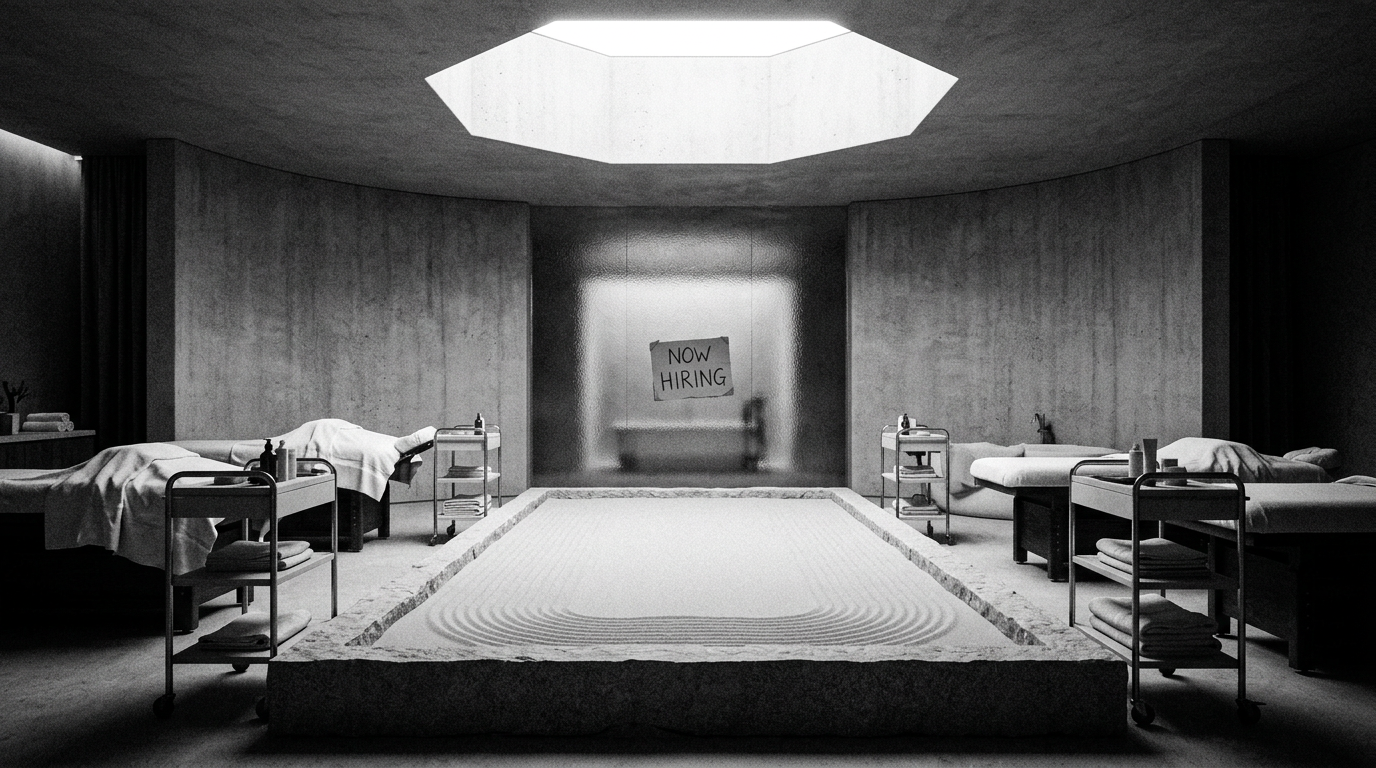
IHG is betting that crystal energy and sound therapy pods will differentiate Regent in the luxury wellness arms race. The renderings are stunning. The operational math is where it gets interesting.

Let me tell you what I love about this before I tell you what worries me. IHG bought Raison d'Etre, the spa consultancy, back in 2019. That was seven years ago. They didn't slap a press release together and call it a wellness strategy... they actually internalized the capability, built institutional knowledge, and are now rolling out a concept that emerged from inside the brand rather than being licensed from a third-party operator with their own logo on the towels. That's rare. That's how you're supposed to do it. The debut at their 150-room Bali property, with a pipeline through Jeddah, Kuala Lumpur, and Kyoto through 2028, suggests they're being deliberate about where this lives. Not every Regent, not overnight, not a mandate blasted across the portfolio with a deadline and a prayer. So far, so good.

Now let's talk about what "meditative sound therapy pods" and "warm quartz sand bed massages" and "octagonal spatial designs to maximize energy flow" actually require at property level. Because I've sat through enough brand presentations to know the difference between a concept that photographs beautifully and a concept that operates beautifully, and those are two very, very different things. Every one of those signature treatments needs a specialist. Not a spa therapist who watched a training video... a specialist who understands the modality, who can deliver it consistently, who doesn't quit after four months because the Aman down the road is paying 20% more. Regent has 11 hotels open globally with 11 more in the pipeline. That's a small enough footprint that they can theoretically curate the talent. But the minute this scales (and brands always want to scale), the Deliverable Test gets brutal. Can the team in Jeddah execute "The Reset" with the same precision as the team in Bali? You already know the answer depends entirely on things that don't appear in any press release... local labor pools, training infrastructure, and whether the GM has the autonomy (and budget) to hire above market.

Here's the part that's actually smart, though, and I want to give credit where it's earned. IHG is positioning Regent's wellness offering as architecturally distinct from Six Senses, which they also own. Six Senses is the barefoot-on-a-cliff, sustainability-forward wellness brand. Regent is positioning as something more urbane... "secretive, mystical, elegant" were the actual words used. That's a real positioning choice. They're saying Regent wellness is NOT Six Senses wellness, which means they're willing to define what Regent ISN'T. I spend half my life begging brands to do this. Most won't, because saying "we're not that" means potentially losing a franchise fee from someone who wanted "that." The fact that IHG is drawing a clear line between two luxury wellness identities within the same portfolio tells me someone in the room actually understands brand architecture. (I'd like to buy that person a drink. They're probably exhausted from the internal fights it took to get there.)

What the press release doesn't mention, and what owners considering a Regent flag should be asking about immediately, is the cost structure. LED facials, EMS technology, radio frequency treatments... that's not a spa with massage tables and essential oils. That's a medical-adjacent wellness facility with equipment costs, maintenance contracts, specialized consumables, and insurance implications. A 1,500-square-meter spa like the one planned for Jeddah isn't a profit center on day one. It might not be a profit center on day 365. The question is whether it drives enough ADR premium and length-of-stay extension to justify the investment when you look at the whole P&L, not just the spa line. IHG's 2025 results showed a 13% jump in operating profit, north of $1.2 billion, with revenue up 7%... but US RevPAR actually dipped 0.1%. They need their luxury brands to pull harder on rate. This spa concept is a rate play dressed up as a wellness philosophy, and honestly? That's fine. Just be honest about what you're buying.

And because timing is everything... IHG announced this lovely wellness concept on the same day the UK Competition and Markets Authority launched an investigation into IHG, Hilton, and Marriott over alleged sharing of competitive pricing data through an analytics platform. Crystal energy and CMA investigations in the same news cycle. You cannot make this up. The spa announcement is the story they want you talking about today. The CMA investigation is the story that might actually matter six months from now. If you're an owner flagged with IHG, or considering a Regent conversion, keep your eyes on both. The beautiful renderings are nice. The regulatory exposure is real.

Operator's Take

Look... if you're an owner being pitched a Regent conversion or a new-build with this spa concept baked in, do one thing before you sign anything: get the actual equipment and staffing pro forma for the wellness program, separate from the hotel P&L. Not the "projected ancillary revenue uplift" slide. The real number. What does the spa cost to build out, staff, maintain, and operate in YOUR market with YOUR labor pool? I've seen too many owners fall in love with renderings and then discover the operating cost on page 47 of the franchise agreement. The concept is genuinely differentiated... I'll give IHG that. But differentiated and profitable are two different conversations. Have both of them before you commit a dollar.

— Mike Storm, Founder & Editor
Read full analysis → ← Show less
Source: Google News: IHG
IHG Just Crossed 1 Million Rooms. Here's What Nobody's Asking.

IHG Just Crossed 1 Million Rooms. Here's What Nobody's Asking.

IHG's 2025 annual report is a masterclass in asset-light financial engineering... record openings, 65% fee margins, nearly a billion in buybacks. But if you're the owner actually running one of those million rooms, the math looks very different from where you're sitting.

Available Analysis

Let me tell you what jumped off the page when I read through IHG's 2025 numbers. It wasn't the 1 million rooms. It wasn't the 443 hotel openings (a record, and good for them). It was this: fee margins hit 64.8%. Think about that for a second. For every dollar IHG collects in fees from owners, they're keeping almost 65 cents as profit. Up 3.6 percentage points in a single year. That is an extraordinarily efficient money-collection machine. And I mean that as a compliment to their business model and a wake-up call to every owner writing those checks.

Here's the picture from 30,000 feet. Total gross revenue $35.2 billion, operating profit from reportable segments up 13% to $1.265 billion, adjusted EPS up 16%. They returned $900 million to shareholders through buybacks last year and just authorized another $950 million for 2026. Raised the dividend 10%. The stock's trading near all-time highs. If you're an IHG shareholder, you're having a great year. If you're an IHG franchisee in the Americas where RevPAR grew 0.3%... zero point three percent... you might be wondering where all that profit is coming from. I'll tell you where. It's coming from you. From scale. From 160 million loyalty members that cost IHG relatively little to maintain but cost you plenty in assessment fees, program fees, and rate commitments. The loyalty contribution is real (I'm not arguing that), but so is the spread between what that contribution costs IHG to deliver and what it costs you to fund.

I sat in a budget review once with an owner who pulled up his total brand cost as a percentage of revenue. Franchise fee, loyalty assessments, reservation system charges, marketing fund, technology fees, the whole stack. It was north of 14%. He looked at me and said "I'm the most profitable business my franchisor has. They just don't count me as their business." He wasn't wrong. The asset-light model is brilliant for the brand company. Record fee margins prove that. But every point of margin improvement at the brand level is extracted from property-level economics. And when your RevPAR is growing at 0.3% in the Americas but your fee load keeps climbing, the math gets tighter every year. That's not a headline IHG puts in the annual report.

Now look... I'm not saying IHG is doing anything wrong. They're doing exactly what a publicly traded, asset-light company should do. Grow the system, expand margins, return cash to shareholders. That's the game. They're playing it better than almost anyone. The launch of their 21st brand (Noted Collection, aimed at accelerating conversions) tells you the strategy: sign more hotels faster with less friction. Soft brands are the fastest path to net unit growth because you're not building anything, you're just flagging existing properties. Smart. But here's the question nobody at the AGM on May 7th is going to ask: at 6,963 properties and counting, what's the quality control infrastructure actually look like? Because I've seen this movie before. Every major brand hits a phase where growth outpaces the ability to maintain standards at property level. The openings look great in the investor deck. The TripAdvisor scores tell a different story 18 months later.

The Greater China number is worth watching too. RevPAR down 1.6% for the year, though the CFO is pointing to a Q4 uptick of 1.1% and saying things are "bottoming out." Maybe. I hope so, for the owners' sake. But I've heard "bottoming out" about China three times in the last decade, and twice it was followed by another leg down. If you're an owner with IHG exposure in that market, don't budget on hope. Budget on what the trailing twelve months actually show, add a modest recovery assumption, and stress-test a scenario where flat is the new normal for another 18 months. Because the brand company can absorb a soft China. Their fee margins prove that. You probably can't.

Operator's Take

If you're an IHG franchisee, pull your total brand cost as a percentage of total revenue. Not just the franchise fee... everything. Loyalty, reservations, marketing, technology, all of it. If you're north of 12-13% and your RevPAR growth isn't keeping pace, you need to be in a conversation with your area team about what they're doing to close that gap. And if you're being pitched a Noted Collection conversion, get the actual loyalty contribution data from comparable properties in your comp set... not the projections, the actuals. The projections are always optimistic. The actuals are what pay your mortgage.

Read full analysis → ← Show less
Source: Google News: IHG
IHG's Doha Pet Play Shows How Lifestyle Brands Chase Revenue

IHG's Doha Pet Play Shows How Lifestyle Brands Chase Revenue

Kimpton's opening a pet-friendly property in Qatar — a market where most locals don't own dogs. Here's what this really tells us about lifestyle brand expansion.

IHG just announced their Kimpton Al Rowda Doha will open later this year with pet-friendly amenities and "unique dining concepts." Let me be direct — this is textbook lifestyle brand playbook being dropped into a market that doesn't quite fit the mold.

Here's the thing nobody's telling you: Kimpton's pet-friendly positioning works in San Francisco and Seattle because you've got tech workers who treat their Golden Retrievers like children. In Doha, you're targeting expats and business travelers, not locals walking their poodles down the Corniche. The cultural dynamics are completely different.

But I've seen this movie before with other lifestyle brands expanding into the Gulf. The pet amenities become a differentiator for the 15-20% of guests who are Western expats or tourists. Meanwhile, the "unique dining" — which usually means locally-inspired menus with craft cocktails — captures the growing market of younger Qatari professionals who want experiences over just luxury.

The real play here is IHG testing whether Kimpton's brand DNA translates to secondary Middle East markets. They've got AC Hotels and Hotel Indigo already proving lifestyle works in Dubai and Abu Dhabi. Now they're seeing if Qatar's post-World Cup hospitality boom can support a full Kimpton experience at presumably 400-500 USD ADR.

Operator's Take

If you're running an independent boutique in an emerging lifestyle market, pay attention to how Kimpton adapts their brand standards here. Start thinking about which signature amenities actually resonate with your local guest mix versus which ones are just imported brand theater.

Read full analysis → ← Show less
Source: Google News: IHG
End of Stories