Airbnb Hosts Are Canceling Coachella Guests to Relist at Higher Rates. Hotels Should Be Paying Attention.
Coachella attendees are getting their Airbnb reservations yanked days before the festival so hosts can relist at surge pricing. For hotel operators in event-driven markets, the fallout is a masterclass in what happens when your competitor's platform can't enforce its own promises.
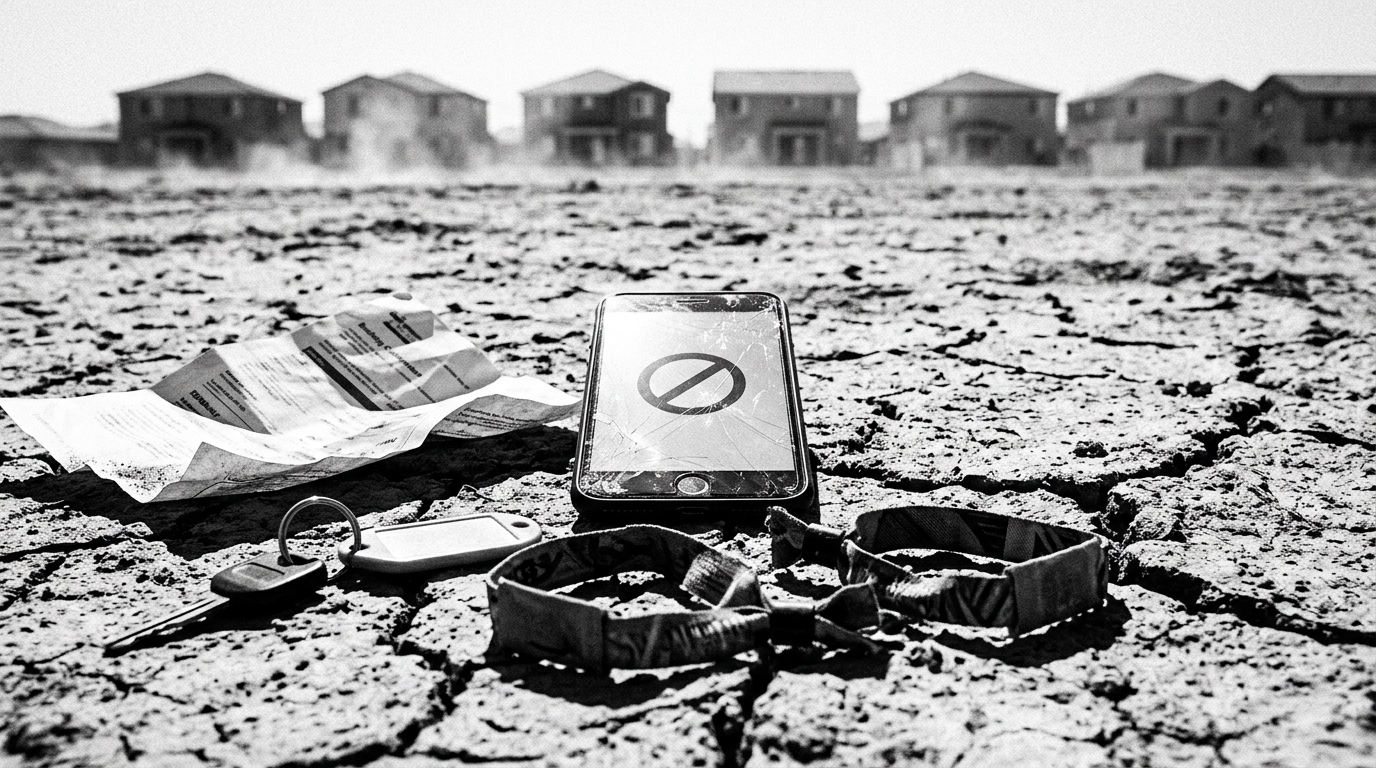
So here's what's happening in the Coachella Valley right now. Guests who booked Airbnbs months ago... planned their trips, bought their festival passes, coordinated with friends... are getting cancellation notices days before check-in. The hosts aren't canceling because of emergencies. They're canceling because they can relist the same property at two or three times the original rate now that demand has spiked and supply has thinned out. Airbnb's maximum penalty for a last-minute host cancellation? $1,000. If a host can pick up an extra $3,000 or $5,000 by relisting during Coachella weekend, that penalty is just a cost of doing business. The math on that is not complicated.
What's actually interesting here (and what nobody in the hotel industry seems to be talking about) is that this is a platform architecture problem, not a people problem. Airbnb built a system that technically penalizes cancellations but doesn't actually prevent the behavior that causes them. A 25% penalty for cancellations within 30 days sounds meaningful until you realize the host is relisting into a market where rates have doubled. They eat the penalty, relist higher, and come out ahead. The system's incentive structure is broken. I've evaluated enough hotel technology platforms to know exactly what this looks like... it's a rule-based system pretending to be an enforcement mechanism. There's no rate lock. There's no cancellation-triggered block on relisting at a higher price. There's no algorithmic detection flagging hosts who cancel and immediately relist the same dates. These are solvable problems. Airbnb either hasn't solved them or doesn't want to.
And here's where it gets relevant for hotels. A DoubleTree in Palm Springs reportedly pulled the same move... canceling reservations made at lower rates, blaming a "technical glitch," then offering guests 50% off current published rates that were already significantly higher than the original booking. Look, I'm not going to pretend this is exclusively an Airbnb problem. It's a demand-spike problem, and any platform or property that doesn't have rate integrity controls baked into its booking architecture is vulnerable to the same temptation. The difference is that when a hotel does this, the brand has contractual and reputational mechanisms to address it. When an Airbnb host does it, the guest gets a voucher covering maybe 20% of the rebooking difference and a customer service chat that goes nowhere.
For operators in event-driven markets (Indio, Palm Springs, Nashville during CMA Fest, New Orleans during Jazz Fest, any market where a single week can represent 15-20% of annual revenue), this is actually an opportunity if you play it right. Every burned Airbnb guest who's scrambling for a room 72 hours before an event is a potential hotel customer with zero price sensitivity and maximum emotional vulnerability. They're not shopping your rate. They're shopping your availability. But here's the technology piece that matters... are your distribution channels updated in real time? Is your last-room-availability pricing logic responsive enough to capture that demand? I talked to an independent operator last year who told me he manually checks his OTA listings three times a day during his market's big event week because his channel manager has a four-hour sync delay. Four hours during peak demand is an eternity. That's rooms you're either not selling or selling at yesterday's rate.
The bigger question is whether Airbnb's reliability problem becomes a structural advantage for hotels over time. Right now, short-term rentals compete on price and space. Hotels compete on consistency and guarantee. Every time an Airbnb host cancels a guest three days before a festival, the "guarantee" side of that equation gets stronger. But only if hotels actually deliver on it. If your reservation system honors the rate the guest booked (which it should, always, full stop), you're offering something Airbnb structurally cannot... a promise that holds when demand spikes. That's not a marketing message. That's an architecture advantage. Use it.
If you're running a hotel within 50 miles of a major recurring event, here's what to do before your next peak. First, audit your cancellation and rate-change policies and make sure your team knows that a confirmed reservation at a confirmed rate is sacred. I've seen this movie before... one front desk manager gets creative during a sellout weekend and the TripAdvisor review writes itself. Second, talk to your revenue manager about building a last-minute demand capture strategy specifically for the 72-hour window before major events. That's when displaced Airbnb guests start flooding back to hotels. Your direct booking channels, your OTA listings, and your call-in rates should all reflect real-time availability, not a number that's four hours stale. Third, if you're in one of these markets, this is a story worth telling. Not in a petty way... but "guaranteed reservation, guaranteed rate, no surprises" is a message that resonates with anyone who's been burned. Put it on your website. Put it in your booking confirmation email. Make it part of the promise. Because the promise is what you're selling. And right now, the other side can't keep theirs.