Today · Apr 10, 2026
MGM Just Let Its Biggest Shareholder Buy More Stock. Then Capped Their Vote. Think About That.

MGM Just Let Its Biggest Shareholder Buy More Stock. Then Capped Their Vote. Think About That.

IAC now owns 26% of MGM but just agreed to cap its voting power at 25.73%, which sounds like a minor governance tweak until you realize what it tells you about who's really running the show and who's getting comfortable being a passenger.

I once sat on a board call where a majority owner spent 45 minutes explaining why he shouldn't have to follow the same rules as everybody else. His argument was basically "I put up the most money, so I should have the most say." The independent board members listened politely. Then the chair said, "That's not how governance works. That's how kingdoms work." The room got very quiet.

That's the dynamic playing out right now between MGM Resorts and IAC. Barry Diller's company just bought another million shares of MGM for about $37 million in late March, pushing their ownership to roughly 26.1% of the company. Then, days later on April 3rd, MGM and IAC signed a voting agreement that caps IAC's voting power at 25.73%. Anything above that threshold gets voted proportionally with the rest of the shareholders. In exchange, IAC gets to nominate two board seats as long as they stay above 17.5% ownership.

Let me translate that from governance-speak to operator-speak. IAC is writing bigger checks (they're in for well north of a billion dollars at this point, starting with a $1 billion initial stake back in 2020), but they're agreeing to a ceiling on how much that money can push the company around. MGM is basically saying "we want your capital, we want your digital expertise for BetMGM and the tech transformation play, but we're not handing you the steering wheel." That's a sophisticated dance. It protects the other 74% of shareholders from waking up one day and finding out Barry Diller decided to take MGM in a direction they didn't vote for. And it protects IAC's board influence as long as they keep real skin in the game.

Here's what's interesting from an operations standpoint... and this is where the Wall Street story becomes a hotel story. MGM is simultaneously running an $8 billion integrated resort development in Osaka, integrating its loyalty program with Marriott Bonvoy, launching all-inclusive packages at Luxor and Excalibur (starting at $330 for two nights... think about what that signals about rate confidence on that end of the Strip), and carrying the kind of debt load that makes analysts nervous. Wells Fargo has them at Underweight with a $31 target. Goldman slapped a Sell rating on it with a $34 target. Stifel, on the other hand, sees $50. When the analyst spread is that wide, it tells you nobody really agrees on where this company is headed. Having your largest shareholder's influence formally defined in a governance document actually reduces one variable in that equation. For property-level leaders at MGM properties, it means the strategic direction is less likely to get yanked sideways by a single investor's agenda. Whatever you think of the current playbook... the Bonvoy integration, the all-inclusive experiments, the Osaka bet... at least you know the playbook isn't about to get rewritten because one phone call changed everything.

The deeper lesson here is about something I've seen play out at every level of this business, from 80-key independents to casino resorts. When ownership and governance aren't clearly defined, everything downstream gets weird. Capital decisions stall. Renovation timelines slip because nobody knows who's really calling the shots. GMs get conflicting directives. I've watched properties drift for years because the ownership structure was ambiguous. This agreement is MGM trying to eliminate that ambiguity at the top of the org chart. Whether it works depends on whether both sides actually honor the spirit of it... or just the letter.

Operator's Take

If you're running a property inside the MGM portfolio, this is worth understanding even though it lives in the governance world. What it means practically: the strategic priorities you're executing against right now (the Bonvoy integration, the value plays on the lower end of the Strip, the technology investments) are more likely to hold course than get disrupted by a shareholder power play. That's stability you can plan around. Use it. If you've been waiting to see whether the Bonvoy loyalty crossover is real before investing your own energy and training hours into it, stop waiting. The governance structure just got more predictable, which means the brand strategy just got more durable. Build your team's playbook around the current direction with more confidence than you had last month. And if you're a GM at a non-MGM property watching from the outside... pay attention to that Luxor/Excalibur all-inclusive package at $330 for two nights. That's a signal about where value-tier competition on the Strip is heading.
Read full analysis → ← Show less
Source: Google News: MGM Resorts
Tom Pritzker Is Gone. Every GM With a Founder's Name on the Building Should Be Watching.

Tom Pritzker Is Gone. Every GM With a Founder's Name on the Building Should Be Watching.

The Pritzker resignation isn't really about Jeffrey Epstein. It's about what happens when the personal life of a family patriarch collides with a publicly traded brand that 1,500 hotels depend on for their identity and their revenue.

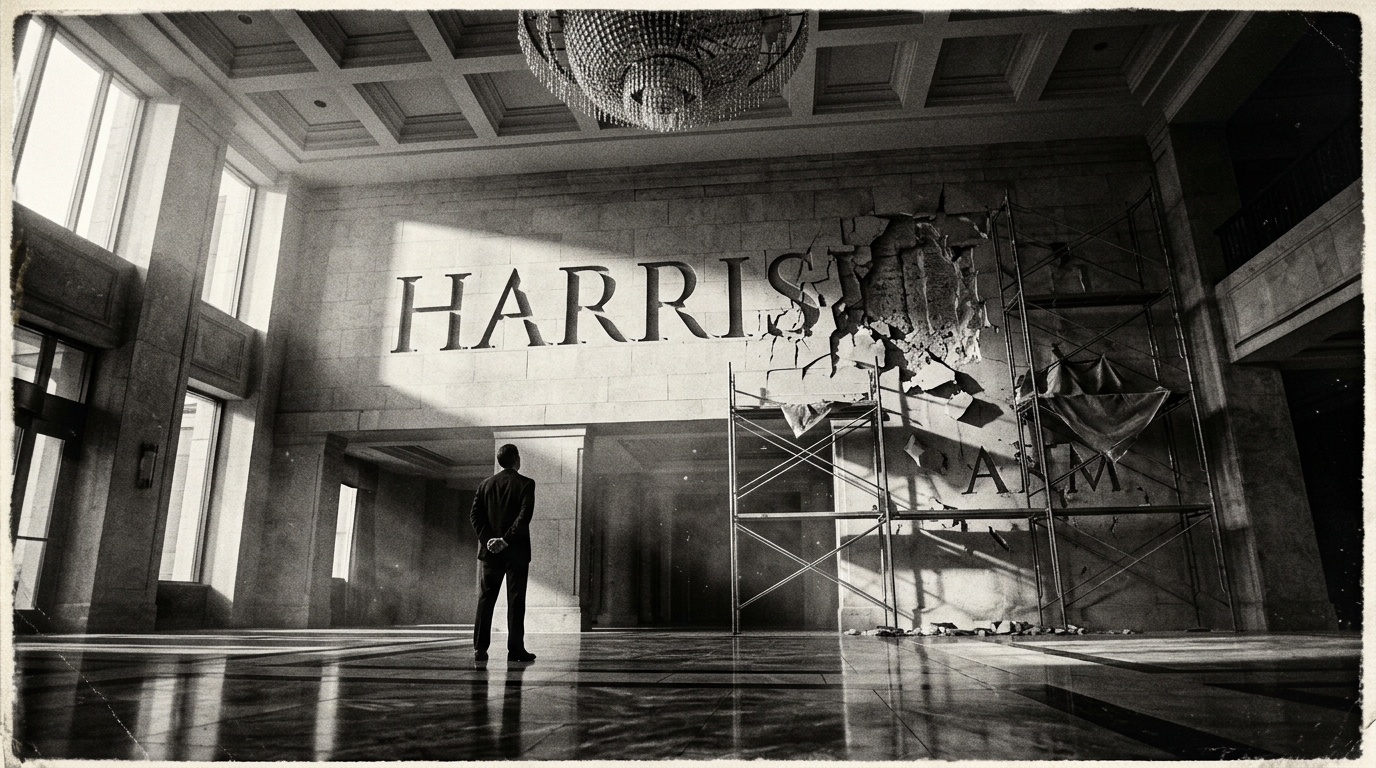
I once sat on a regional advisory board where the ownership family's name was literally on the building. Not a flag. Not a franchise. The family name, chiseled into limestone above the front entrance. When the patriarch got into some legal trouble (nothing remotely this serious... a messy divorce that made the local paper), the GM told me the first question every guest asked at check-in for three weeks wasn't about the room. It was about what they'd read in the news. Staff didn't know what to say. Corporate (such as it was) said nothing. The property lost a group booking because the meeting planner didn't want the association. One name. One headline. Real revenue impact.

Tom Pritzker stepping down as executive chairman of Hyatt isn't a hospitality story. It's a governance story that happens to be wearing a hospitality uniform. The Pritzker family founded Hyatt in 1957. Tom ran it as CEO, then executive chairman, for the better part of three decades. His family still holds significant ownership. When the unredacted DOJ documents revealed ongoing contact with Jeffrey Epstein from 2010 through early 2019... years after Epstein's 2008 conviction... the math on staying became impossible. Pritzker called it "terrible judgment" and framed his exit as "good stewardship." That's the right read. Once the documents are public, the only question is how fast you move. He moved fast. Credit where it's due.

But here's what's actually interesting for operators. Hyatt is a $15.6 billion publicly traded company with 1,500-plus hotels in 83 countries. It also still feels like a family company in ways that matter at property level. The Pritzker name carries weight in development conversations, in owner relationships, in the culture of the brand. Mark Hoplamazian moves into the chairman role, and he's been CEO since 2006... this isn't a stranger taking over. But there's a difference between leading a company and being the family. Every hotelier who's worked for a family-owned or family-founded brand knows what I mean. The family IS the brand in ways that quarterly earnings calls can't capture. When the family connection gets complicated, the brand vibration changes. Not overnight. But it changes.

The financial story is fine, by the way. Hyatt's Q4 2025 EPS came in at $1.33 against expectations of $0.37. Stock's up 16% over the past year. Stifel bumped their target to $170. The company is performing. This isn't a distressed situation. Which is actually the point... Pritzker resigned from a position of strength, not weakness. That's either genuine stewardship or very smart PR timing. Probably both. The fact that other high-profile executives (at DP World, at Goldman Sachs) have also stepped down over Epstein connections tells you this is a pattern now, not an anomaly. The DOJ document releases created a cascade, and anyone who maintained contact post-2008 is exposed.

The question nobody at brand HQ wants to talk about is what this means for the family dynamic going forward. Bloomberg is reporting a rift within the broader Pritzker family, and anyone who's ever operated a hotel owned by multiple family members knows exactly what that smells like. Illinois Governor J.B. Pritzker. Former Commerce Secretary Penny Pritzker. This is one of the most powerful families in American business. When the family that founded your brand is dealing with internal fractures AND public scandal, the downstream effects don't show up in the next earnings call. They show up in the next development meeting. In the next owner's conference. In the quiet conversations that happen in hallways. Hyatt will be fine operationally. The brand is strong. The management bench is deep. But something shifted last month that won't unshift, and if you're operating under that flag, you should understand what it is even if you can't put a dollar amount on it yet.

Operator's Take

Look... if you're a Hyatt-flagged GM or a franchisee, nothing changes Monday morning. Your PMS still works. Your loyalty program still drives bookings. Your brand standards haven't moved. But something DID change, and the smart move is to acknowledge it internally before your team brings it up (and they will, because they read the news too). Have a five-minute conversation with your leadership team. The message is simple: the company handled this quickly, leadership continuity is in place, and our job is to take care of guests. If ownership brings it up, the right posture is calm and informed... not defensive, not dismissive. And if you're an owner evaluating a new Hyatt flag or a conversion, keep your eyes on the development pipeline over the next 12 months. When family dynamics shift at founder-led companies, the ripple effects show up in deal velocity and approval timelines long before they show up in RevPAR.

Read full analysis → ← Show less
Source: Google News: Hyatt
The Pritzker-Epstein Fallout Is a Masterclass in What Happens When the Name on the Building Becomes the Story

The Pritzker-Epstein Fallout Is a Masterclass in What Happens When the Name on the Building Becomes the Story

Tom Pritzker's resignation as Hyatt's Executive Chairman wasn't a corporate governance decision. It was the moment when a family dynasty's personal baggage became every Hyatt operator's brand problem.

Available Analysis

I sat in a GM meeting once... must have been 15 years ago... where a regional VP spent 45 minutes talking about "brand stewardship." Protecting the flag. Making sure every touchpoint reinforced the promise. The usual stuff. A GM in the back raised his hand and asked, "What happens when the problem isn't at property level? What happens when the brand hurts itself and we're the ones answering for it at the front desk?" The VP didn't have a good answer. Nobody ever does.

Tom Pritzker stepped down as Hyatt's Executive Chairman on February 16th after unredacted DOJ documents laid out the extent of his relationship with Jeffrey Epstein. Forty-five years with the company his family built. Gone in a news cycle. The emails are ugly... helping Epstein's partner plan a trip to Southeast Asia to find women, responding to Ghislaine Maxwell's guest list of "serving girls" at a dinner party with a suggestion that sounds like something you'd hear in a deposition (because it was). Virginia Giuffre testified under oath that Pritzker abused her. He denies it. The emails don't deny themselves. He called his own judgment "terrible" in his resignation statement. That's the understatement of the decade.

Here's what I want to talk about, though. Not the scandal. You can read about the scandal anywhere. I want to talk about what happens at the property level when the guy whose name is synonymous with your brand becomes radioactive. Because I've seen this movie before... not this exact script, but the same genre. A corporate figure does something that has nothing to do with hotel operations, and suddenly your front desk agent is fielding questions from guests who read the headline over breakfast. Your sales team is walking into RFP presentations wondering if the client is going to bring it up. Your catering manager is watching a corporate group hesitate on a booking because someone on their board doesn't want the optics. None of these people did anything wrong. They're just wearing the logo.

Hyatt's stock was up 16% before this broke. Mark Hoplamazian steps into the chairman role on top of his CEO duties, and frankly, the operational machine doesn't skip a beat. The 1,500-plus hotels keep running. The loyalty program keeps humming. The vast majority of guests will never connect the dots between a family patriarch's conduct and their Tuesday night stay at a Hyatt Place in Des Moines. But here's the thing... the vast majority isn't the problem. The problem is the meeting planner who books $400K a year and just saw the headline. The problem is the corporate travel manager who has to justify brand selection to a committee. The problem is the owner who's three years into a franchise agreement and wondering if this is going to suppress demand even 2-3% in their market. Two or three points of occupancy on a 300-key full-service property... do that math. It's not nothing.

The Pritzker family has been through internal wars before. They split the fortune into 11 pieces back in the 2000s. $1.4 billion each, give or take, with a couple of family members getting $500 million settlements. That was money fighting money. This is different. This is the family name... the name that IS the brand... being associated with something that makes people physically uncomfortable. And the operators, the GMs, the sales directors, the tens of thousands of people who work under that flag worldwide? They didn't get a vote. They just get the consequences.

Operator's Take

If you're running a Hyatt-flagged property, you need a script ready. Not a press release... a human response for when a guest, a meeting planner, or a corporate client brings this up. Something along the lines of "Mr. Pritzker resigned and is no longer involved with the company. Our team and our commitment to your experience haven't changed." Short. Honest. Move on. Don't defend, don't elaborate, don't freelance. And if you're an owner in a Hyatt franchise, watch your group booking pace for the next 90 days like a hawk. If you see softness, document it. You may need that data later.

Read full analysis → ← Show less
Source: Google News: Hyatt
Hyatt's Sending the CFO to Calm Wall Street. Here's What They're Really Presenting.

Hyatt's Sending the CFO to Calm Wall Street. Here's What They're Really Presenting.

Three days after their billionaire chairman resigned over connections to convicted sex offenders, Hyatt announced its CFO would present at two major investor conferences. This isn't an investor relations calendar update. This is damage control in a blazer.

Let's start with what the press release wants you to think. Hyatt Hotels announced that CFO Joan Bottarini and SVP of Investor Relations Adam Rohman will present at the Raymond James Institutional Investors Conference on March 3 in Orlando and the J.P. Morgan Access Forum on March 11 in Las Vegas. Routine stuff. Companies do this all the time. Nothing to see here. Except... everything to see here. Because on February 16, roughly 72 hours before this announcement went out, Executive Chairman Thomas J. Pritzker resigned effective immediately after unredacted DOJ documents revealed he maintained communications with Jeffrey Epstein and Ghislaine Maxwell through 2019. The man who had been chairman since 2004, whose family name is literally synonymous with the brand, walked out the door with a statement about "terrible judgment." And now Hyatt is sending its finance team to face institutional investors like this is a normal March. It is not a normal March.

Here's what's actually being presented at those conferences, whether it's on the slides or not. Can Hyatt maintain its governance credibility with Mark Hoplamazian now holding both the Chairman and CEO titles? That consolidation of power happened overnight, not through a succession plan, not through a board-led transition... through crisis. Every institutional investor in those rooms knows the difference between planned consolidation and emergency consolidation, and they will ask about independent board oversight. They will ask about the Pritzker family's continued economic interest in the company. And Joan Bottarini, who is very good at her job, will have to answer those questions while simultaneously making the case that Hyatt's asset-light strategy and 1,500-plus properties across 83 countries are humming along just fine. That is an extraordinarily difficult needle to thread, and she has about ten days to prepare for it.

I've sat in brand presentations the morning after a crisis. I was brand-side for fifteen years, and I can tell you exactly what happens. The deck doesn't change. The talking points get an addendum. Someone from legal sits in the back of the room. And the presenter smiles wider than usual because the unspoken instruction is "project confidence, deflect quickly, pivot to growth." The problem is that institutional investors aren't franchise owners at a regional conference. They don't get distracted by pipeline numbers and loyalty program metrics. They will sit in those chairs in Orlando and Las Vegas and they will want to know one thing: is this company's brand worth less today than it was on February 15? And the honest answer is... it depends on what happens next. Analysts are projecting roughly 39.6% annual earnings growth for Hyatt. That's a high bar under normal circumstances. Under these circumstances, it's a tightrope over a canyon.

Now let's talk about what this means at property level, because that's where I live. If you're a Hyatt-flagged owner, your franchise agreement doesn't have a "chairman scandal" clause. Your fees don't go down. Your PIP doesn't get deferred. Your loyalty contribution doesn't automatically suffer (yet). But here's what does happen... your sales team starts fielding questions from corporate accounts. Your group business contacts start Googling. Your meeting planners, especially the ones booking for government agencies, universities, and nonprofits with reputational sensitivity, start having internal conversations about whether they need to diversify their hotel program. I watched a different brand go through a leadership scandal years ago, and the first thing that moved wasn't leisure transient. It was corporate and group. It was the accounts that have procurement committees and PR departments and someone whose job it is to flag reputational risk in vendor relationships. That business doesn't disappear overnight. It erodes quietly, over quarters, in ways that are very hard to attribute directly to any single cause. Which makes it very hard to quantify. Which makes it very easy for a brand to pretend it isn't happening.

The real question nobody at those investor conferences will ask (because it's impolite, and Wall Street is nothing if not polite when the cameras are on) is this: what is the actual reputational cost to a global hospitality brand when its founding family's name becomes associated with the worst scandal in modern memory? Hyatt operates in 83 countries. Some of those markets, particularly in the Middle East and Asia-Pacific, are extraordinarily reputation-sensitive. Development partners in those regions didn't sign up for this. Neither did the owners in Tulsa or Tampa or anywhere else. And the people who will bear the cost of whatever brand erosion occurs won't be the Pritzker family. It will be the owners, the operators, and the 130,000-plus people who work at Hyatt properties worldwide and had absolutely nothing to do with any of this. That's the part that makes me angry, honestly. The people who built the brand at property level, who deliver the promise every single day, are the ones who absorb the consequences of decisions made in boardrooms they'll never enter. My dad spent his whole career delivering on promises brands made. He never got to sit in the room where the promises were designed... or where they fell apart.

Operator's Take

If you're a Hyatt-flagged owner, don't wait for your management company to bring this up... you bring it up. Ask for a written assessment of group and corporate account exposure at your property. Get ahead of any RFP cycles where procurement committees might flag brand risk. And watch your loyalty contribution numbers like a hawk over the next two quarters, because if there's erosion, that's where you'll see it first. The brand will tell you everything's fine. Your numbers will tell you the truth.

— Mike Storm, Founder & Editor
Read full analysis → ← Show less
Source: Google News: Hyatt
End of Stories