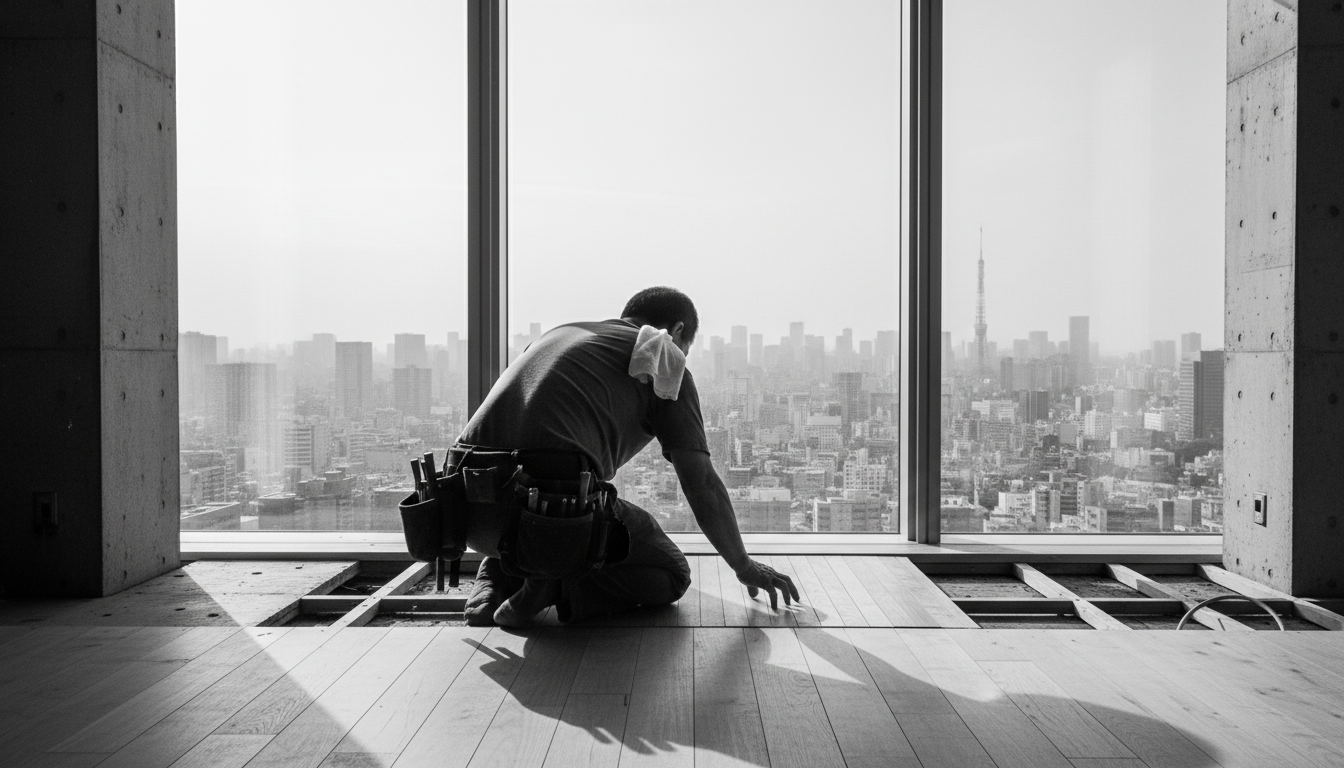
What a 19-Month Bar Renovation in Tokyo Should Teach Every Hotel Operator
Park Hyatt Tokyo just spent 19 months and untold millions renovating a 30-year-old property... and the smartest thing they did was decide what NOT to change. There's a lesson in that for every GM staring down a PIP or a renovation budget.
Let me tell you what caught my eye about this Park Hyatt Tokyo story. It's not the 52nd-floor bar. It's not the "Lost in Translation" nostalgia. It's one line from the designer: "Ninety-nine percent is brand new, but the DNA is the same."
That's the hardest thing in hospitality. And almost nobody gets it right.
I've watched hotels gut-renovate themselves into oblivion. Spent 40 years watching it. A property builds something special over a decade or two... a vibe, a reputation, a reason guests come back... and then somebody decides it's time for a refresh. The brand consultants fly in. The designers show up with renderings that look nothing like the hotel guests fell in love with. And when the dust settles, you've got a property that's shiny, modern, and completely soulless. The regulars stop coming. The reviews say "it used to have character." The RevPAR bump from the renovation lasts 18 months and then you're back where you started, except now you're carrying the debt.
I knew a GM once who fought his ownership group for six months over a lobby renovation. They wanted to rip out the original stone fireplace and replace it with a gas feature wall. He pulled guest comment cards going back five years. Every winter, guests mentioned that fireplace. It was the property's identity. He won the argument, barely, and the renovation worked precisely because they kept the thing that mattered. Park Hyatt Tokyo did that at scale. They took 171 rooms (down from 177, by the way... they actually reduced inventory to improve the product, which tells you everything about their pricing strategy), rebuilt essentially everything, and preserved the DNA. The New York Bar still has live jazz. The views are still the views. The feeling is still the feeling. That takes more discipline than tearing it all down and starting over. Starting over is easy. Knowing what to keep is the hard part.
Here's the operational reality that matters for you. Tokyo's luxury hotel market is approaching $7.3 billion and growing at nearly 4% annually. Average daily rates for five-star properties are pushing €800. The Japanese government wants 60 million international visitors by 2030. Supply is constrained... Tokyo has fewer luxury rooms than most comparable global capitals. So Park Hyatt's ownership group (Tokyo Gas, which has held this asset for 30 years) made a calculated bet: take the property offline for 19 months, absorb the revenue loss, invest in a renovation that preserves what works, and reopen into a market with rising rates and limited competition. That's patient capital. That's an ownership group that thinks in decades, not quarters. And that's the exact opposite of how most hotel renovations happen in the U.S., where the timeline is driven by the debt maturity date and the PIP deadline, not by what's actually right for the asset.
The cover charge at the New York Bar is 3,300 yen (roughly $22) for non-hotel guests. Hotel guests walk in free. That's not a revenue play... that's a loyalty play. That's telling your in-house guest "you belong here" while creating exclusivity that makes outsiders want to book a room next time. It's the simplest, cheapest guest differentiation strategy I've ever seen, and it works because it's authentic. They're not manufacturing scarcity. They have a 52nd-floor bar with limited seats and a jazz trio. The scarcity is real. The question for every operator reading this isn't "how do I build a rooftop bar." It's "what do I already have that I'm not protecting?"
Look... most of us aren't running luxury towers in Shinjuku. I get that. But the principle scales down to every segment. What is the thing about your property that guests actually remember? The thing that shows up in reviews unprompted? The thing your staff talks about with pride? That's your DNA. And the next time someone hands you a renovation plan or a brand standard that wants to erase it, fight for it. Because once it's gone, no amount of capital spending brings it back.
If you're staring at a renovation or a PIP in the next 12 months, do this before you approve a single design rendering: pull your top 50 guest reviews from the last three years and highlight every specific thing guests mention about the physical property. That's your DNA list. Anything on that list gets preserved or you need a damn good reason why not. The most expensive mistake in a renovation isn't what you spend... it's what you destroy that you can never rebuild.