The Real Story Behind a Luxury Brunch Isn't the Buffet... It's the Bankruptcy
A JW Marriott property in Bengaluru is promoting a lavish Sunday brunch series while three major hotel companies circle the building in a bankruptcy acquisition fight. That disconnect tells you everything about how this industry actually works.
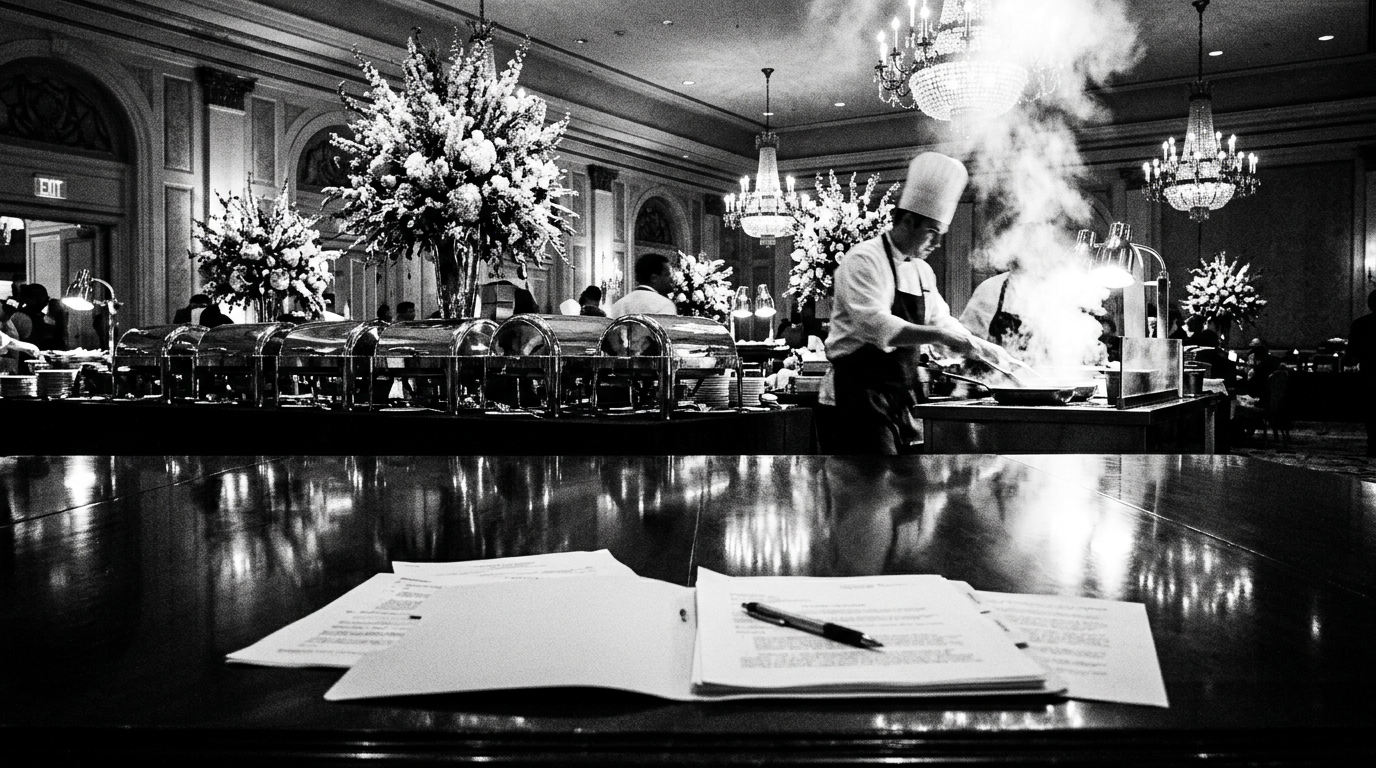
Here's a Sunday brunch priced at 4,000 rupees a head (that's roughly $47 USD) at a 281-key luxury property that's simultaneously being sold out of bankruptcy for an estimated ₹1,300 crore. The JW Marriott Bengaluru is running a themed brunch series called "The March of Five Sundays" through May, complete with live music, interactive food stations, and a kids' menu. Meanwhile, Indian Hotels (Taj), EIH (Oberoi), and ITC Hotels are reportedly fighting over who gets to buy the building from underneath Marriott's management contract. If that doesn't perfectly capture how hotel operations and hotel ownership exist in two completely different realities... I don't know what does.
I've seen this movie before. More than once, actually. I worked at a property years ago where the ownership entity was in receivership and the lender's attorneys were in the building every Tuesday going through files. You know what we did? We ran the hotel. We sold rooms. We hosted weddings. We trained new hires. Because that's what operators do... you keep the machine running regardless of what's happening three floors above you in the conference room with the lawyers. The guests don't know. The guests don't care. And honestly, the moment your team starts acting like the building is in trouble, your TripAdvisor scores crater and then you really are in trouble.
What's interesting here isn't the brunch (luxury hotels in major Indian metros run elaborate Sunday brunches... that's Tuesday. Or Sunday, I guess). What's interesting is what Marriott is doing strategically. They've already signed a deal for a second JW Marriott in Bengaluru's Electronic City, projected to open in 2030. So even while the current property's ownership is in bankruptcy proceedings, Marriott is doubling down on the market with the JW flag. That tells you something about how management companies think versus how owners think. Marriott collects fees regardless of who holds the deed. The brand keeps running. The F&B programming keeps churning. The sous chef they just hired for the Japanese concept keeps creating menus. The machine doesn't stop because the ownership structure is in flux. That's the entire point of the asset-light model.
Look... if you're an operator at a property going through an ownership transition (and there are going to be a LOT of those in the next 18 months as debt matures and some owners can't refinance), the lesson from Bengaluru is straightforward. Keep operating. Keep programming. Keep giving guests reasons to show up. A ₹4,000 brunch with a clever marketing hook around "five Sundays in March" isn't going to move the needle on a ₹1,300 crore disposition. But it keeps the F&B revenue line healthy, it keeps the team engaged, and it keeps the asset looking like something worth buying at a premium. The worst thing you can do during an ownership transition is let the property drift. New owners are watching the trailing numbers. Every single month matters.
The three companies circling this deal are all major Indian hotel operators who would presumably deflag the property and put their own brand on it. Which means Marriott's management contract is almost certainly going to terminate. And yet here they are, promoting brunches and hiring new culinary talent like nothing's happening. That's either admirable professionalism or a masterclass in collecting fees until the last possible day. Probably both. I've never met a management company that stopped managing because a sale was coming. You manage harder. You make the P&L look as good as possible. Because your reputation follows you to the next deal, and the next owner group is always watching how you handled the last one.
If you're a GM at a property where ownership is changing hands (or might be), stop worrying about the transaction and start worrying about your trailing twelve months. New owners, new asset managers, new lenders... they all look at the same thing first: recent operating performance. Run your programming. Push your F&B. Keep your scores up. The Bengaluru property is doing exactly this, and it's the right play whether you're running a 281-key luxury hotel or a 150-key select-service. The deal happens above you. Your job is to make the asset worth fighting over.