The NLRB Gig Ruling Is Already Dead. Your Staffing Problem Isn't.
The original NLRB guidance that was supposed to make gig workers easier to unionize has been gutted by the new administration. But if you're a GM who's been leaning on staffing platforms to run your banquet operation, the underlying exposure hasn't gone anywhere... it's just wearing a different suit.
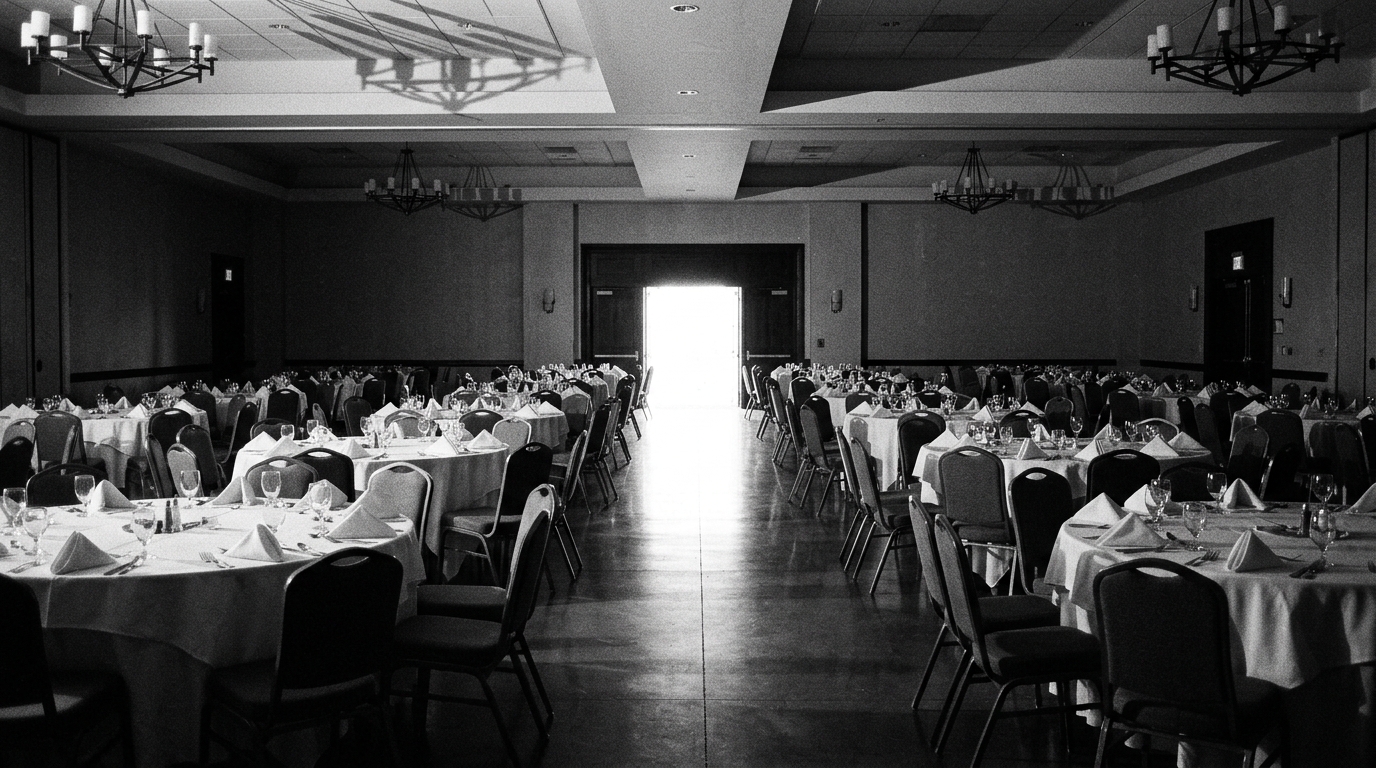
I sat in a labor strategy meeting once with a director of operations who had a beautiful spreadsheet showing how much money he was saving by running 65% of his banquet staff through a platform provider. Gorgeous numbers. Clean columns. He'd basically turned his entire events operation into a variable cost line, and on paper it looked like genius. I asked him one question: "What happens when you can't get the bodies?" He blinked at me. He didn't have an answer because he'd never modeled for it. He'd built his entire group pricing around the assumption that cheap, flexible labor would always be there when he needed it.
Here's the thing about this NLRB story that most people are getting wrong. The headline says the feds just made gig work more like a job. And technically, there was a moment in 2023 when the Board's Atlanta Opera decision did exactly that... broadened the definition of who counts as an employee, made it easier for platform workers to organize. Real teeth. Real implications for hotels running half their event labor through apps.
But that was two administrations ago in NLRB years. The current Board fired the general counsel who drove that agenda. Her replacement has already rescinded 29 of her guidance memos. The joint employer rule that would have made hotels co-liable for staffing platform workers? Withdrawn. Replaced with the old standard requiring "substantial direct and immediate control." The DOL is actively trying to roll back its own 2024 independent contractor test. And as of last year, the Board lost its quorum entirely... meaning it can't even issue new decisions right now. The regulatory apparatus that was supposed to transform gig work is, for the moment, a car with no engine.
So why am I writing about it? Because the regulatory threat was never your actual problem. Your actual problem is that you built your labor model on a platform that could change, shrink, or reprice at any time, and you treated it like permanent infrastructure. Over 87% of hotels report staffing shortages. The gig platforms filled a gap. But a gap-filler is not a foundation, and too many operators... especially at large convention and full-service properties... stopped being able to distinguish between the two. When you're running 60-70% of your peak banquet labor through a third party, you haven't solved your labor problem. You've outsourced it. And outsourced problems have a way of coming back at the worst possible moment, whether the trigger is a union drive, a regulatory shift, a platform price hike, or just a Saturday night when the app can't fill your pull.
The pendulum will swing again. It always does. The Atlanta Opera standard still exists as precedent. A future Board with a quorum could revive every one of those rescinded memos. UNITE HERE hasn't stopped organizing just because the federal machinery slowed down. And the state-level action on worker classification (California, New York, Illinois) doesn't care what the NLRB quorum looks like. If you're in a major convention market and you've let your permanent banquet team atrophy because the platform was cheaper and easier... you are one labor market hiccup away from a crisis that no app is going to solve at 2 AM on a Saturday.
If you're a GM or director of operations at a full-service or convention hotel running more than 30% of your event labor through staffing platforms, pull your actual numbers this week. Not the budgeted split... the real hours, by department, by shift type. Model what happens to your group margins if platform rates go up 15% or if fill rates drop by 20% on peak nights. Then take that to your DOS before your next round of group pricing goes out. The regulatory threat is dormant right now, but the operational dependency is real and it's priced into promises you're making to clients six months from now. This is what I call the Labor Window... you've got a moment of regulatory calm to rebuild your permanent bench strength before the next shift hits. Use it to recruit, not to coast. The hotels that come out of this with the strongest teams will be the ones that treated the staffing platform as a supplement, not a strategy.