Occupancy Rates
Occupancy rates measure the percentage of available rooms sold during a specific period, serving as a fundamental performance metric for hotel operations and financial analysis. This indicator directly reflects demand levels, competitive positioning, and market conditions within specific segments and geographies. Hotel operators use occupancy data to assess property performance, benchmark against competitors, and inform strategic decisions regarding pricing, marketing, and capital allocation.
The relationship between occupancy rates and revenue generation has evolved significantly in modern hotel management. While high occupancy traditionally signaled success, contemporary operators recognize that occupancy alone does not determine profitability. Revenue management strategies and ancillary revenue streams increasingly drive financial performance independent of room occupancy levels. Hotels can achieve strong financial results through optimized pricing on lower occupancy or by maximizing ancillary revenue from existing guests, challenging the historical emphasis on maximizing room nights sold.
For investors and owners, occupancy rates remain important baseline metrics but require contextualization within broader revenue and profitability frameworks. Sustainable hotel performance depends on balancing occupancy achievement with effective rate management and revenue diversification strategies.

Wynn's combined Macau EBITDAR grew 10.9% to $279.4 million, but that headline hides a 16.2% decline at the older property while Wynn Palace surged 25.9%. The divergence tells you everything about where luxury gaming margin actually lives now.

Wall Street quants are using Xenia Hotels' stock as a risk barometer for the entire upper-upscale hotel sector. If you own or operate in that space, here's why you should care about what their models are seeing.
Development
Primary
Apr 12
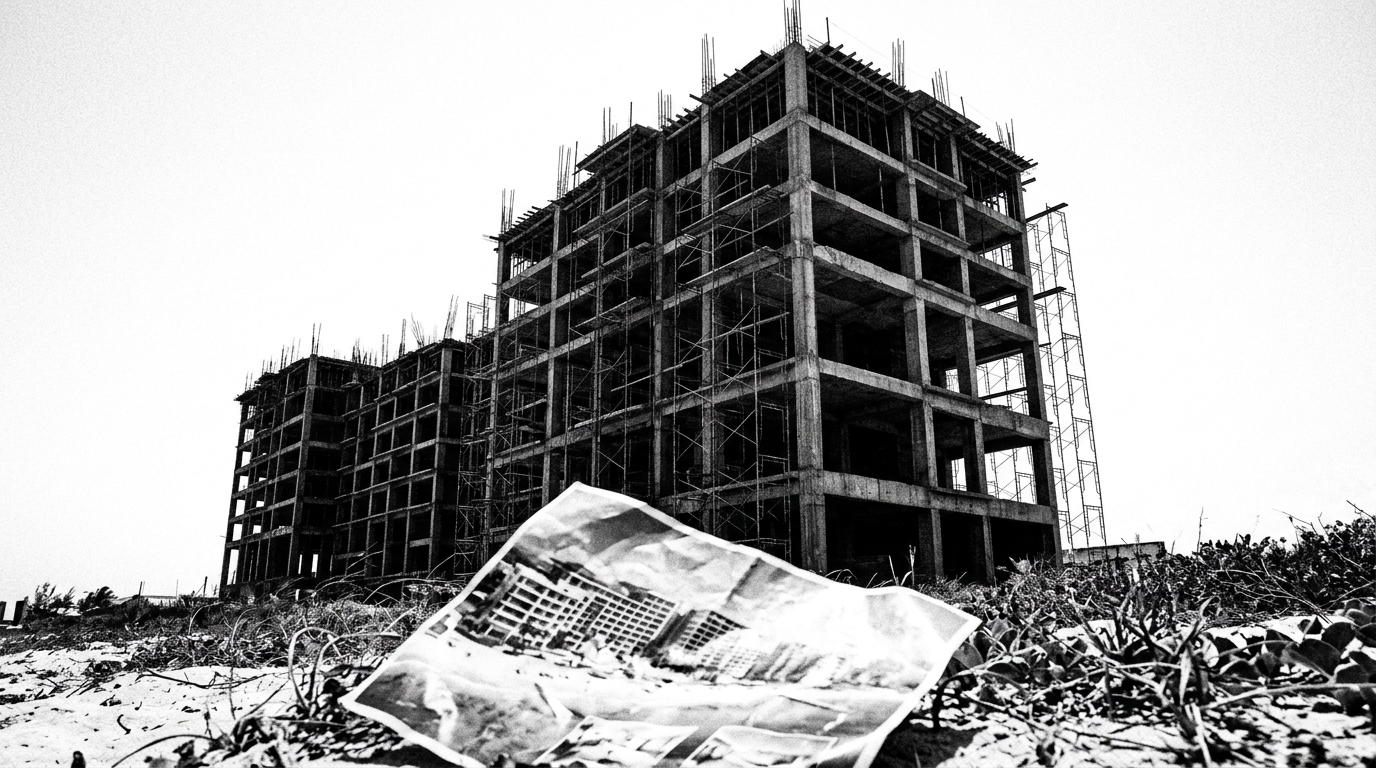
Hyatt just announced another mega all-inclusive in Punta Cana with 650 rooms, five pools, and a waterpark opening in 2029. But with nearly 15,000 new rooms flooding the Dominican Republic, occupancy already softening, and ADR sliding backwards, the question isn't whether they can build it... it's whether the math still works when everyone else is building the same thing.
📡
Get the Briefing Every Morning at 6AM
Join hotel operators, owners, and investors who start their day with InnBrief.
Free forever. Unsubscribe anytime. No spam — just signal.

Hyatt is developing an India-first hotel brand modeled on its Japan-born Atona concept, betting that a country with 1.4 billion people and only 20 million annual visitors is the most under-hoteled opportunity on the planet. The question is whether "uniquely Indian" translates to a real operating model or just a really beautiful mood board.

Barcelona's phasing out all 10,000 licensed short-term rental apartments by 2028, and the early data on what happens next to hotel demand is more complicated than anyone's admitting.

Disney's Pop Century Resort is pulling in 87% occupancy and record per-capita spending while guests publicly rate it 3 out of 10. That gap between the revenue line and the experience line is a story every hotel operator has lived... and most have lived to regret.

Britain's pubs and restaurants face simultaneous increases in business rates, minimum wage, and employer taxes starting today, with 64% of on-trade businesses planning to cut jobs. The per-property math is worse than the headlines suggest.

Marriott's U.S. development chief is pitching capped fees and efficient footprints as the answer to a frozen lending market. It sounds like the most owner-friendly deal in years... until you read the fine print on what "low double digits" actually includes and what it quietly doesn't.

European hotel investment volumes surged 30% in 2025 to their highest level since 2019, with investors pricing in growth assumptions that only work if RevPAR keeps climbing. With CoStar projecting 0.7% global RevPAR growth for 2026, someone's basis is about to look very expensive.

Accor's Q4 numbers across the Middle East look phenomenal on paper, with double-digit RevPAR gains driven almost entirely by rate. But there are 710 hotel projects and 176,000 rooms in the construction pipeline, and what goes up on pricing alone has a very specific way of coming back down.

Apple Hospitality REIT's stock crossed below its 200-day moving average on declining fundamentals, and the technical signal is the least interesting part of the story. The per-key math on their recent dispositions tells you exactly how management is pricing this cycle.

Transactions
Primary
Mar 20
Marriott's Philippines PR machine is cranking out feel-good leadership profiles while the real story... an aggressive 3,700-room expansion into a market where ADR still hasn't recovered to pre-pandemic levels... goes unexamined.

An Indian hotel company just hit an all-time stock low while the broader market around it is running occupancy north of 72%. That disconnect tells you everything about the difference between riding an industry wave and actually operating well enough to profit from it.

The latest AHLA survey confirms what every operator already feels in their gut: costs are eating you alive while rate growth has flatlined. The question isn't whether your margins are compressing. It's how much longer you can absorb the hit before something breaks.

Business travel spending has blown past 2019 levels in raw dollars, and every headline is celebrating. But buried in the data is a reality that should have every DOS in the country pulling up their rate agreements this week.

A 25-cent gas price spike sounds like a macro story until you're the GM watching your weekend pickup soften in real time while your own shuttle fuel bill climbs. Here's what 40 years of managing through these cycles tells me about what happens next.

Hilton is planting its most prestigious flag on 20 acres of South Goa coastline with a 148-key resort that won't open until 2030. The question isn't whether the brand fits the market... it's whether the market will still look like this when the doors finally open.

APLE beat Q4 earnings estimates while RevPAR declined 2.6% and hotel EBITDA margins contracted 230 basis points year-over-year. The updated investor presentation tells a story of disciplined capital allocation, but the operating fundamentals underneath deserve a harder look.

The Hotel Syracuse sat empty for 12 years while the city debated turning it into a parking lot. One developer saw what nobody else did... and now the numbers are proving him right.
Operations
Primary
Feb 13
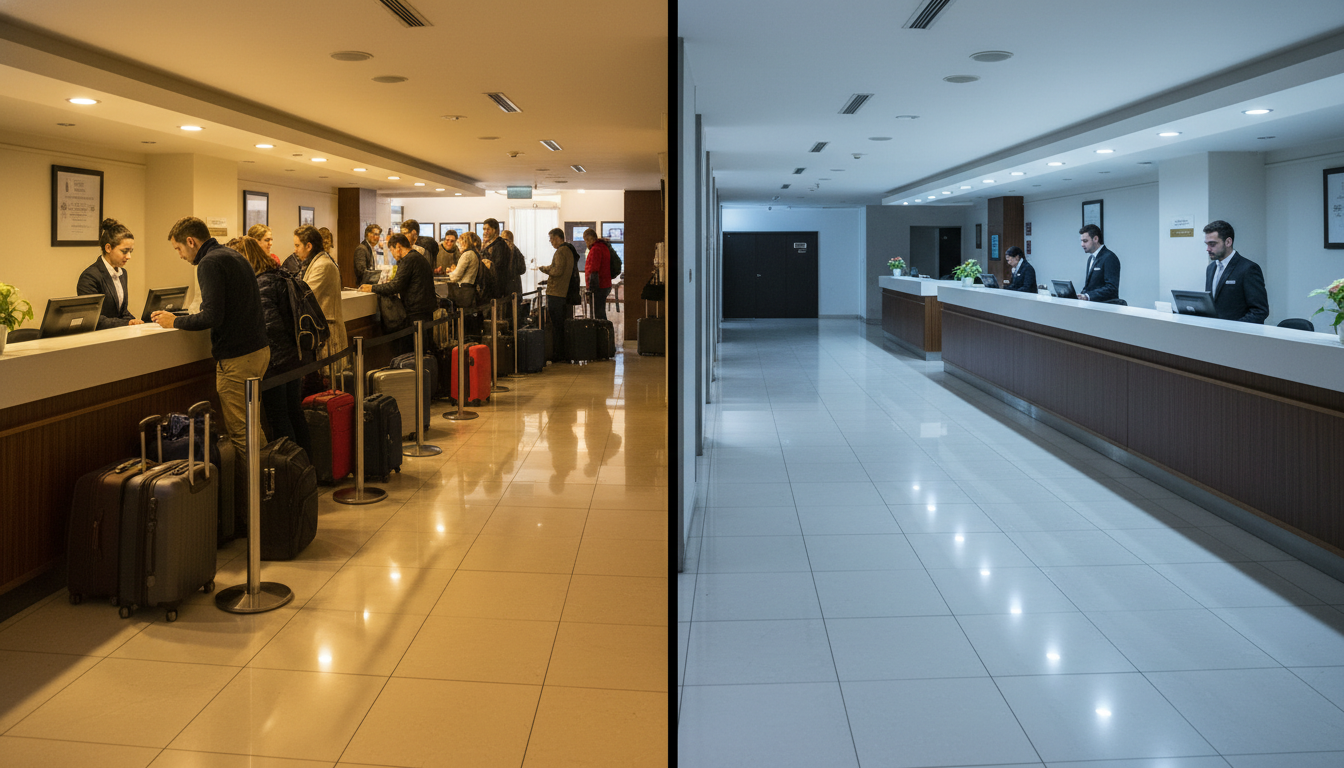
Higher rates saved Hilton's quarter, but plunging occupancy tells the real story. Most operators are making the same fatal mistake — and missing the bigger play entirely.