Why UK Tourism Taxes Will Backfire Spectacularly
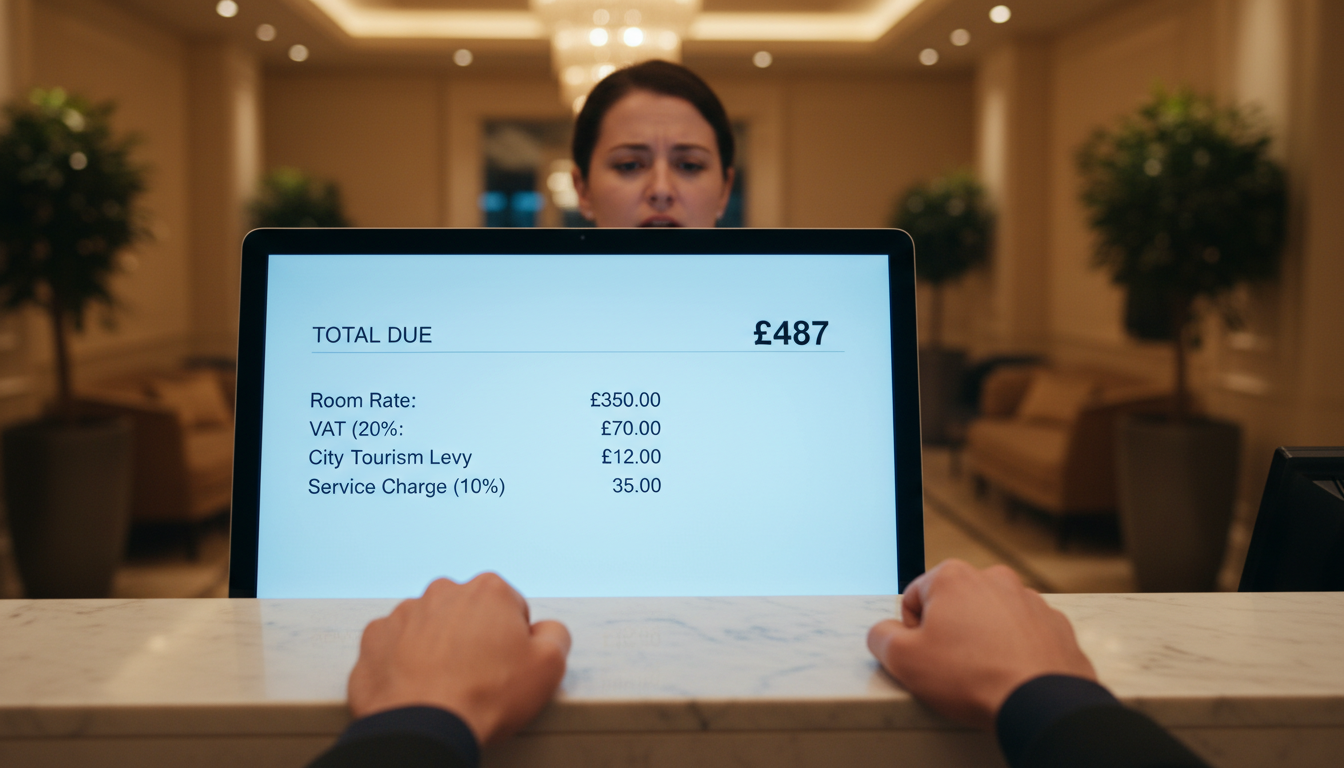
Hospitality leaders are begging the Chancellor to scrap visitor levies. They're fighting the wrong battle — and about to lose the war.
Visitor levies are taxes imposed on tourists or overnight visitors to fund local infrastructure, marketing, and services. These charges typically apply to hotel stays, short-term rentals, or attractions and represent a growing revenue source for cities worldwide. Implementation varies significantly by jurisdiction, with some levies calculated as percentage-based room taxes and others as flat per-night fees.
For hotel operators, visitor levies directly impact competitiveness and demand elasticity. Higher taxes can reduce booking volumes, particularly in price-sensitive segments, while also increasing administrative compliance costs. Properties must factor levy expenses into rate structures and revenue projections. The Chicago market has emerged as a notable case study for levy implementation and its effects on the hospitality sector.
Hotel industry stakeholders monitor visitor levy policies closely as municipalities increasingly view tourism taxation as a solution for budget pressures. The debate centers on optimal levy rates that balance revenue generation with demand preservation, making this a critical consideration for investment decisions and operational planning.
Hospitality leaders are begging the Chancellor to scrap visitor levies. They're fighting the wrong battle — and about to lose the war.