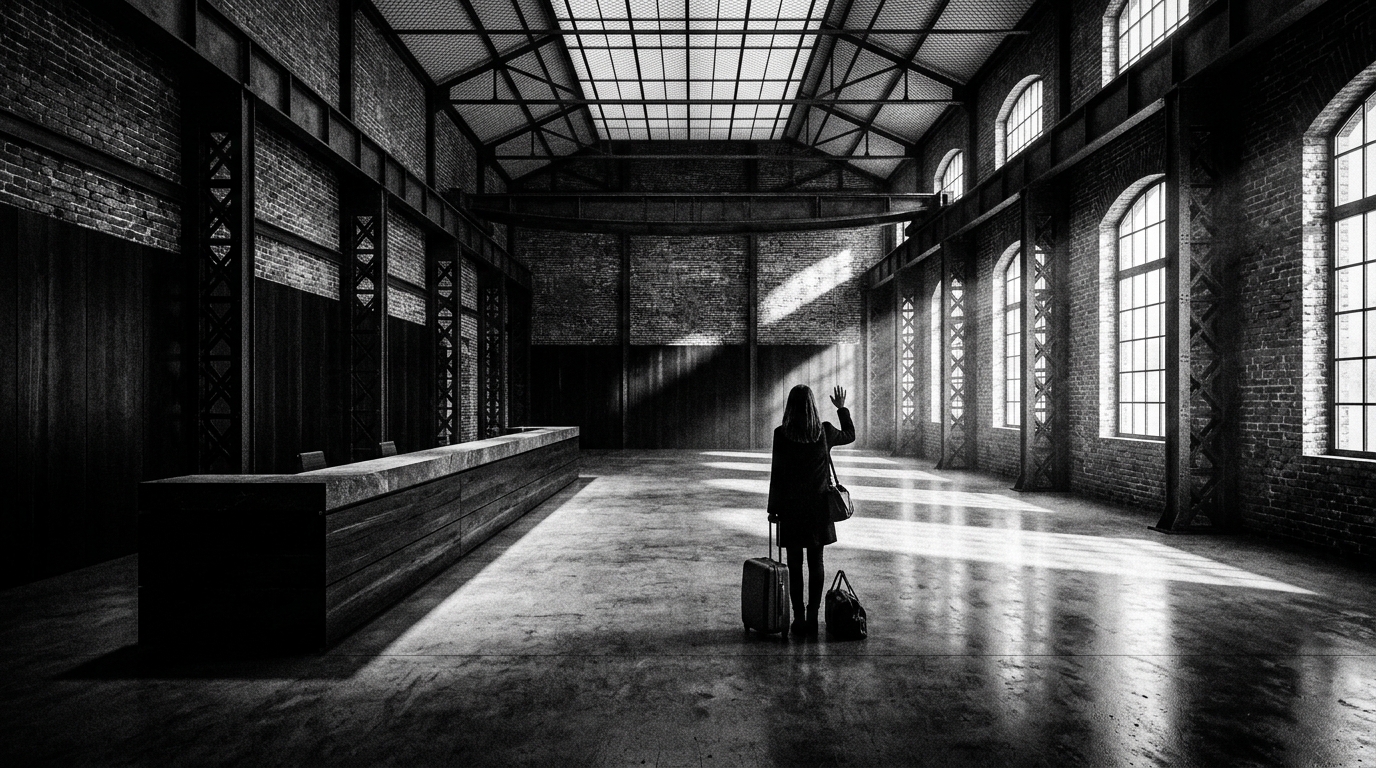
Adaptive reuse represents the conversion of existing non-hospitality structures—such as factories, warehouses, and industrial buildings—into functional hotel properties. This development strategy has gained traction as a means to create distinctive branded accommodations while capitalizing on underutilized real estate in established markets. Notable examples include the Wythe Hotel in Brooklyn and The Foundry, both of which demonstrate the viability of this approach.
The adaptive reuse model presents significant operational and financial considerations for hotel operators and investors. While the strategy can yield compelling design narratives and potentially lower land acquisition costs compared to ground-up development, project economics require careful analysis. Success depends heavily on understanding local market dynamics, construction complexity, and the feasibility of retrofitting existing structures to meet modern hotel standards and building codes.
Adaptive reuse projects directly intersect with operating economics, as conversion costs, timeline extensions, and structural limitations can substantially impact pro forma projections and long-term profitability. Industry participants evaluating this development approach must conduct rigorous due diligence on both the physical property condition and the specific market context before committing capital.
IHG is planting its $116 million lifestyle acquisition in one of Europe's most demanding hotel markets. The question isn't whether Milan is the right city... it's whether "Lean Luxury" means anything when the guest is standing in the lobby.
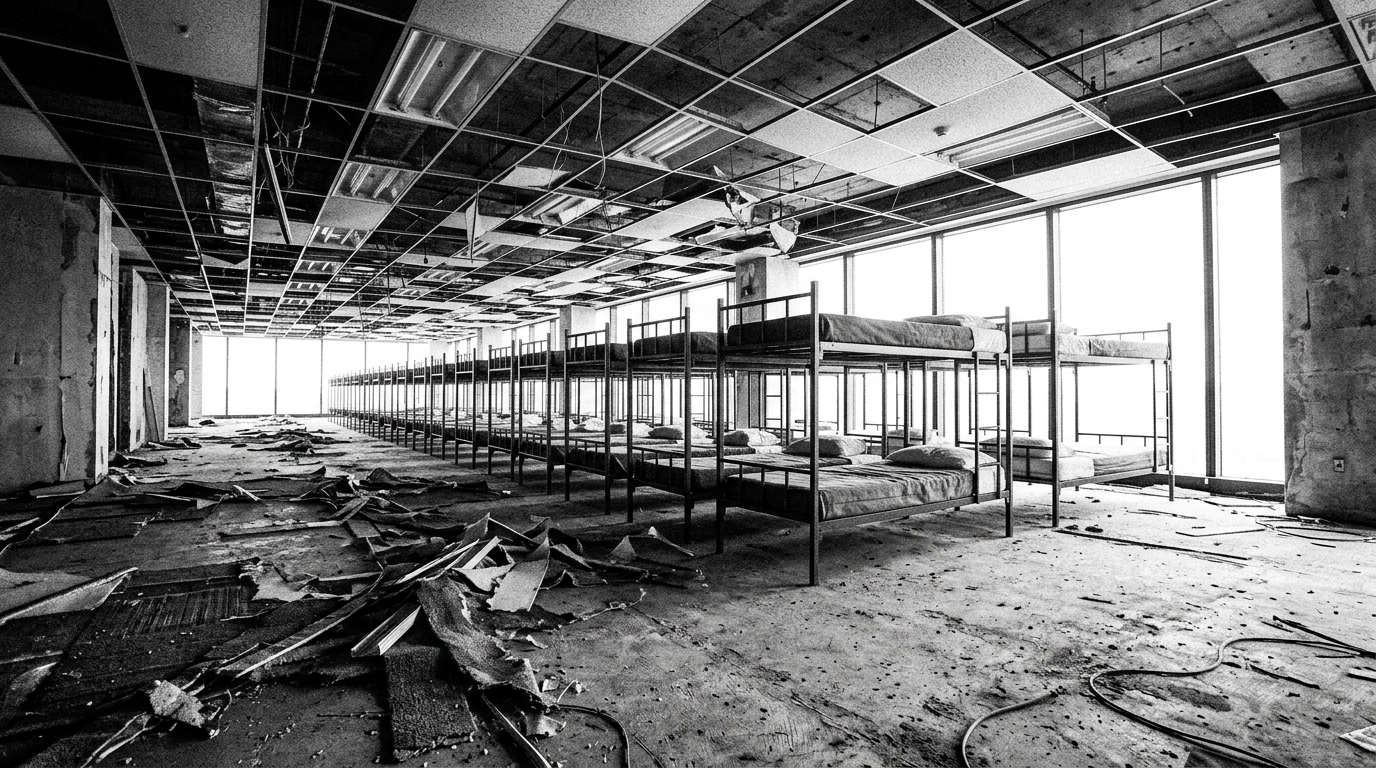
Europe's largest hostel project reveals the real math behind office-to-hospitality conversions, and the per-bed economics tell a very different story than the headline CapEx figure.
Two historic prisons — one in Nara, one in Istanbul — are becoming luxury hotels. The headlines write themselves, but the operating economics tell a different story.
📡
Get the Briefing Every Morning at 6AM
Join hotel operators, owners, and investors who start their day with InnBrief.
Free forever. Unsubscribe anytime. No spam — just signal.
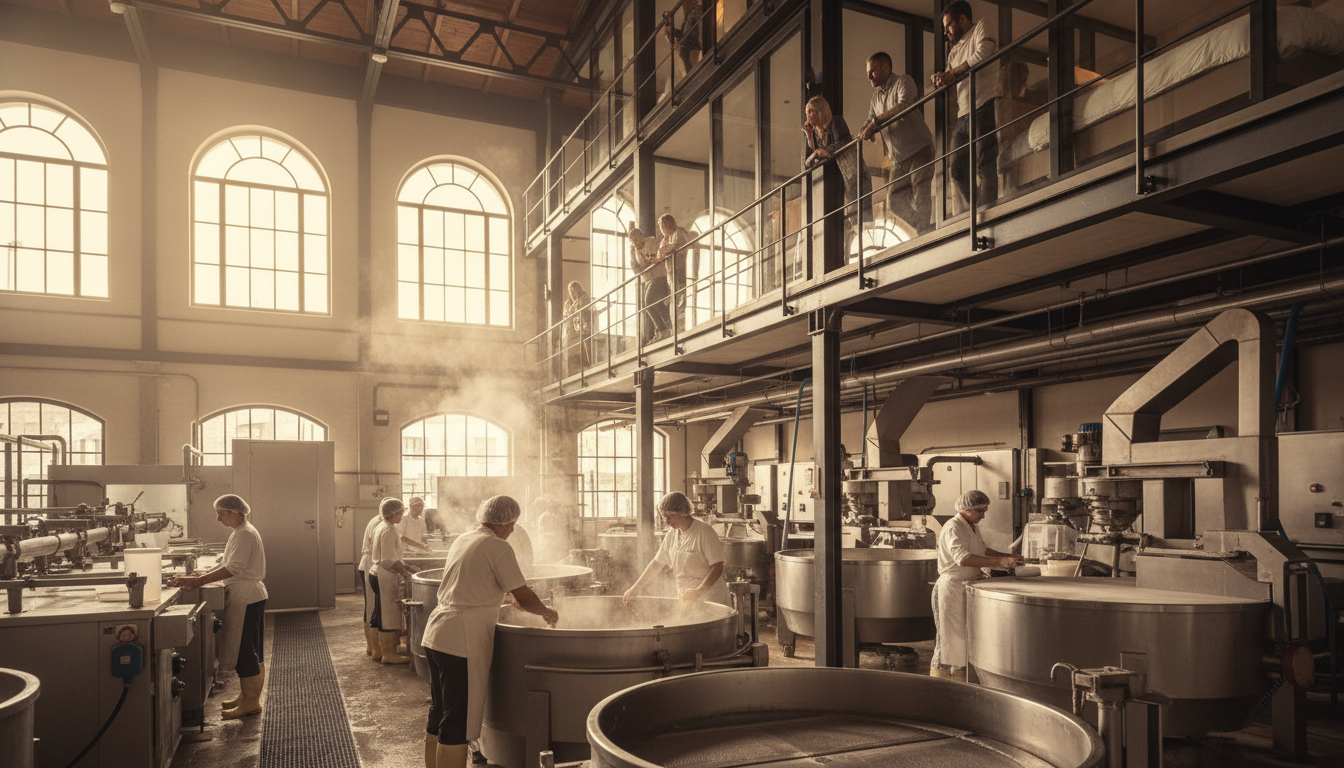
A Wisconsin cheese factory just became a boutique hotel with an operating micro-dairy. It's a case study in how adaptive reuse succeeds when you give guests something they can't get anywhere else.
The InnBrief Daily
92% open rate — operators read this.
Hotel industry intelligence in your inbox every morning at 6AM. No fluff.