Marriott's "Outstanding" Growth Year Has a Question Nobody's Asking the Owners
Marriott added nearly 100,000 rooms and returned $4 billion to shareholders in 2025. But when you decompose the numbers by who actually benefits, the story gets more complicated... especially if you're the one writing the PIP check.
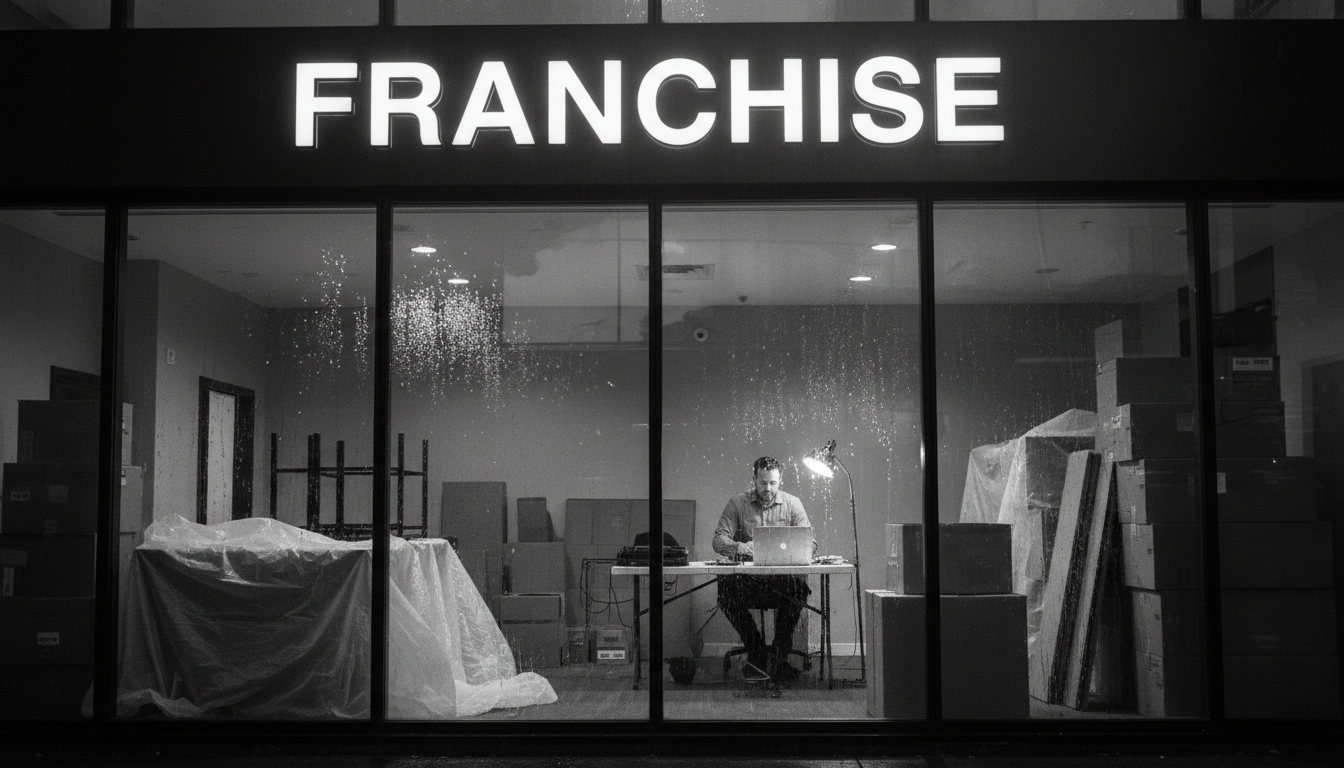
Let me tell you what "outstanding" looks like from the other side of the franchise agreement.
Marriott's 2025 numbers are genuinely impressive at the corporate level. Over 4.3% net rooms growth. Nearly 100,000 rooms added. Gross fee revenues of $5.4 billion, up 5%. Adjusted EBITDA of $5.38 billion, an 8% jump. The stock hit an all-time high of $359.35 in February. Anthony Capuano called it a "defining year." And from the brand's perspective... from the shareholder's perspective... he's right. $4 billion returned to shareholders through buybacks and dividends. That's not a talking point. That's real money flowing to the people who own Marriott International stock.
Now. Who owns the hotels?
Because here's where I start pulling at the thread. U.S. and Canada RevPAR grew 0.7% for the full year. In Q4, it actually declined 0.1%. Business transient was flat. Government RevPAR dropped 30% in Q4 from the shutdown. Meanwhile, Marriott's projecting 1.5% to 2.5% worldwide RevPAR growth for 2026 and planning to spend over $1.1 billion on technology transformation... replatforming PMS, central reservations, and loyalty systems. That investment is Marriott's. The implementation burden lands on property teams. If you've been through a brand-mandated PMS migration (and I've watched three unfold from the owner advisory side), you know that the stated timeline and the actual timeline are two very different animals. Training costs alone for a 300-key full-service property can run $40,000-$60,000 when you factor in productivity loss, and that's before you discover the integration with your POS doesn't work the way the demo said it would.
The conversion engine is the part of this story that deserves the most scrutiny. Conversions accounted for over 30% of organic room signings... nearly 400 deals, over 50,800 rooms. And Marriott proudly notes that roughly 75% open within 12 months of signing. That speed is the selling point. But speed of conversion and quality of integration are not the same thing. Changing the sign takes weeks. Changing the service culture, retraining staff on Marriott Bonvoy standards, renovating to brand spec... that takes 6 to 18 months on the low end. I sat across the table from an ownership group last year that converted a 180-key independent to a major flag. They were "open" within nine months. They were actually delivering the brand experience closer to month 16. The gap between those two dates? That's where guest reviews suffer, where loyalty members complain, and where the brand sends you a deficiency letter while you're still waiting on FF&E shipments that are eight weeks late.
And then there's the portfolio question that nobody at brand headquarters wants to answer honestly. Marriott now has City Express, StudioRes, Four Points Flex, Series by Marriott, Outdoor Collection... layered on top of an already sprawling portfolio. At what point does brand proliferation stop being "filling white space" and start being internal cannibalization? When two Marriott-flagged properties in the same market are competing for the same Bonvoy member at similar price points, the system doesn't create incremental demand. It redistributes existing demand and charges both owners a franchise fee for the privilege. The 271 million Bonvoy members number sounds massive until you ask what the active rate is, what the average redemption frequency looks like, and whether loyalty contribution at your specific property justifies the assessment you're paying. Those are the numbers that matter at the ownership level, and they're conspicuously absent from the earnings call.
Here's my position, and I'll be direct about it. Marriott is executing its strategy brilliantly... for Marriott. The asset-light model means fee revenue grows whether your individual property thrives or struggles. The $16.2 billion in total debt (up from $14.4 billion in 2024) funds buybacks that boost EPS, which drives the stock price, which makes the earnings call sound like a victory lap. None of that is wrong. It's just not your victory lap if you're the owner staring at a flat domestic RevPAR environment, a PIP that's going to cost you seven figures, and a technology migration you didn't ask for. Before you sign that next franchise agreement or renewal, pull the FDD. Compare the Item 19 projections from five years ago against what your property actually delivered. If there's a gap... and there usually is... that's not a conversation for your franchise sales rep. That's a conversation for your lawyer.
If you're a franchisee in the Marriott system right now, do two things this week. First, pull your loyalty contribution numbers for the last 12 months and calculate what you're paying in total brand cost (fees, assessments, mandated vendors, PIP amortization) as a percentage of total revenue. If it's north of 15% and your RevPAR index against comp set isn't outperforming... you have a math problem, not a brand problem. Second, if you're anywhere near a PMS migration timeline, get the implementation scope in writing from your brand rep and add 40% to whatever timeline they give you. That's not cynicism. That's 40 years of watching these rollouts.