Indoor Waterparks Make Great Lists. They Make Terrible P&Ls.
Travel + Leisure ranked the 15 best indoor waterparks. Nobody mentioned what it actually costs to keep one running — or what happens when the novelty wears off.
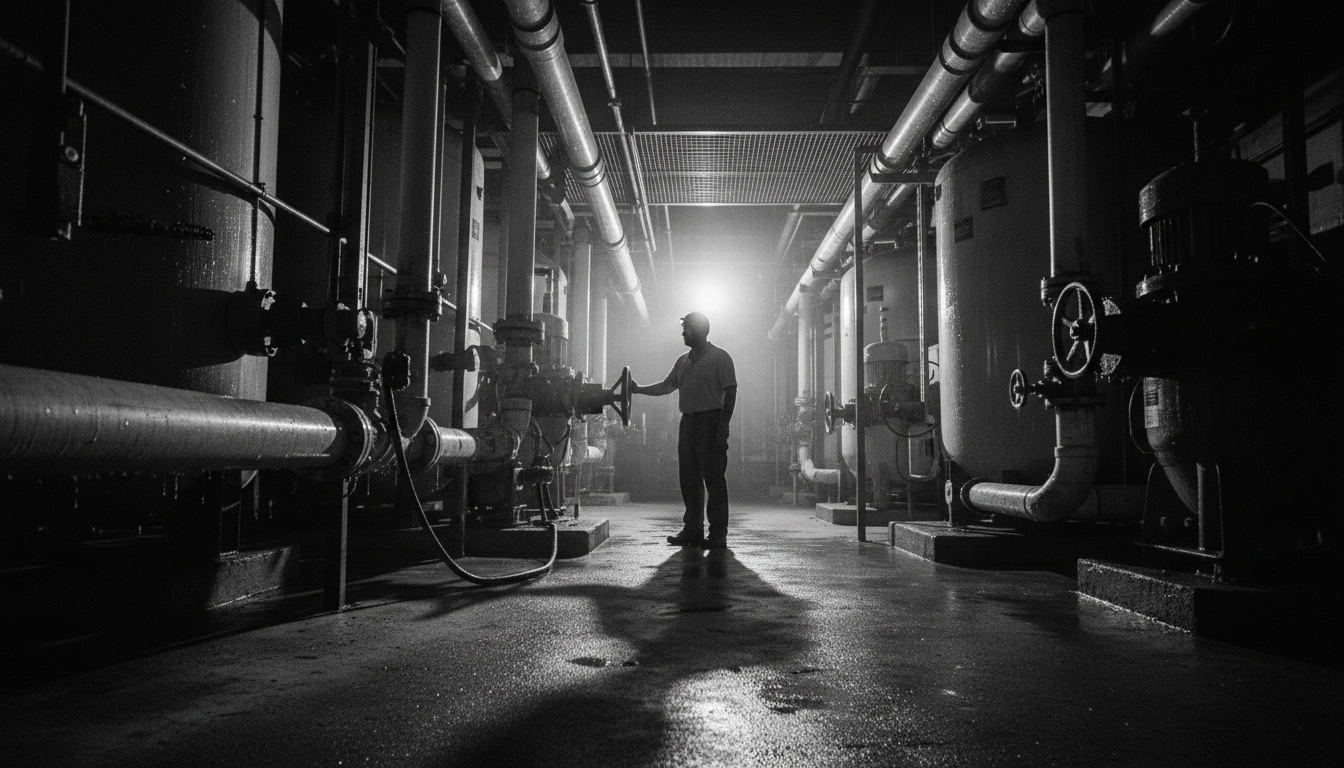
I managed a 65-acre resort in Utica, Illinois — Grand Bear Lodge. 272 suites, a waterpark, an amusement park, conference center, 300-plus employees. When people hear "waterpark resort," they picture the lazy river and the wave pool. I picture the mechanical room.
Travel + Leisure just published their list of the 15 best indoor waterparks in the U.S. Great Smoky Mountains, Poconos, Wisconsin Dells — the usual suspects. Beautiful photos. Happy families. The kind of content that makes a leisure traveler start Googling rates.
Here's what nobody on that list is telling you.
An indoor waterpark is not an amenity. It's a second business bolted onto your hotel — with its own engineering demands, its own staffing nightmare, its own insurance profile, and a chemical management regimen that would make a pharmaceutical company nervous. You're running a hotel AND a water treatment facility AND an entertainment venue AND, in most cases, a food operation poolside. Simultaneously. With the same GM.
The capital requirements are brutal. Slides corrode. Pumps fail. Filtration systems don't care that it's 2 AM on a holiday weekend — they break when they break. The humidity alone will destroy your building envelope if you didn't engineer the HVAC correctly from day one, and I promise you, someone cut corners on the HVAC.
And here's the part that really gets me — the occupancy math. These properties live and die by weekend leisure demand. Monday through Thursday, you've got a 40,000-square-foot waterpark sitting there with a skeleton crew, still drawing power, still requiring water treatment, still needing lifeguards on duty if even one guest decides to use it. Your fixed costs don't take weekdays off.
At Grand Bear, the waterpark was a loss leader when I arrived. Parents would bring kids, the kids would swim for six hours, and the parents would sit in the lodge lobby staring at their phones. Bored adults don't spend money. They endure the trip. I added poolside cabanas with adult beverages — gave the parents a reason to enjoy themselves instead of just surviving the day. That one move turned the waterpark from a drain into a profit center. Not because the waterpark changed. Because we finally gave the people who were actually paying the bill something to do.
That's the insight these "best of" lists never touch. The waterpark isn't your product. Your product is the entire family's experience — and if you're only designing for the eight-year-old, you're leaving the adult's wallet in their room.
The properties that make these lists work — Kalahari, Great Wolf, Wilderness — they figured this out years ago. They're not waterpark hotels. They're full-service entertainment campuses. Spas for parents. Arcades that separate teenagers from their siblings. Restaurants that aren't afterthoughts. Convention space to fill the midweek gap. The waterpark is the draw. Everything else is the margin.
But here's where it gets dangerous. Every developer who reads a Travel + Leisure list like this sees validation. "See? Waterparks are hot. Let's add one to our resort." I've sat in those meetings. The pro forma always looks incredible in year one. Slide the occupancy assumption from 68% down to 55% — which is what actually happens when the novelty fades and a newer waterpark opens forty minutes away — and watch the model collapse.
Do you know what the most expensive sentence in hospitality development is? "If we build it, they will come." No. They come for two years because you're new. Then they come if you're great. And being great at a waterpark resort means being great at maintenance, staffing, programming, food and beverage, revenue management, and — here's the big one — reinvestment. The slide your guests loved in 2019 looks dated by 2024. The upgrade isn't optional.
I'm not saying indoor waterparks are a bad business. I'm saying they're a hard business that travel magazines make look easy. Every property on that Travel + Leisure list represents an enormous ongoing operational commitment that has nothing to do with how good the photos look.
If you're a GM running a waterpark property and you just got forwarded this Travel + Leisure list by your ownership group with a note that says 'See? We should be on here!' — take a breath. Then send them your deferred maintenance list, your lifeguard turnover rate, and your Tuesday night occupancy for the last six months. Lists like this are great for leisure marketing. They're terrible for capital planning. And if you're an owner or developer looking at that list thinking about adding a waterpark to your resort — call someone who's actually run one first. Not the waterslide manufacturer. Not the design firm. Call a GM who's managed the mechanical room at 3 AM when the wave pool pump seized during spring break. The families on those lists had a wonderful time. Somebody's engineering team made that possible. Make sure you're budgeting for that team — not just the slides they're keeping alive.