Hyatt's Betting Big on a 150-Room Hotel in Sikkim. Here's Why That's Braver Than It Sounds.
Hyatt just broke ground on a luxury resort in one of India's most remote states, complete with a casino and 13,000 square feet of event space. The math behind quintupling your India footprint sounds great in an earnings call... the execution is where things get interesting.
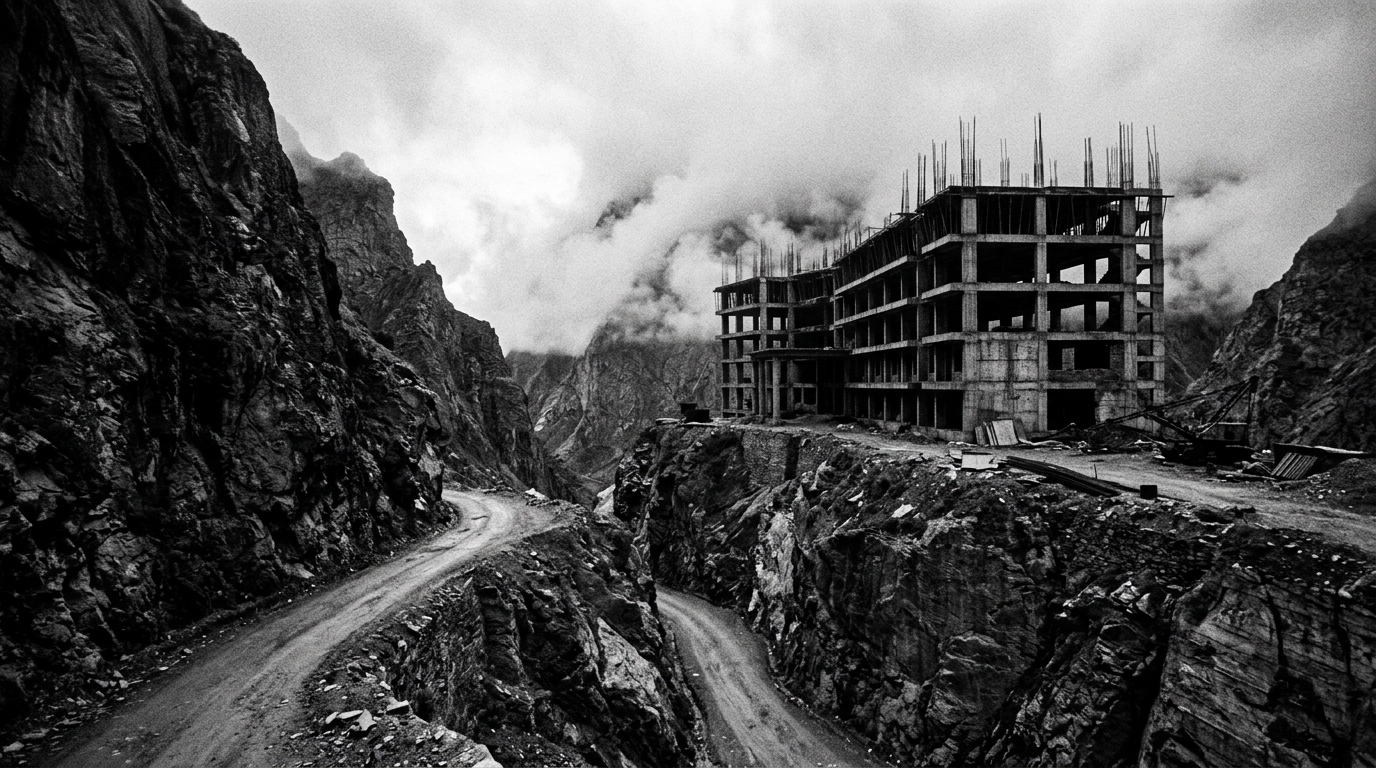
I've seen this movie before. A major brand plants a flag in an emerging leisure destination, the press release uses words like "unprecedented" and "catapult," the local government shows up for the photo op, and everybody acts like the hard part is over. It's not. The hard part hasn't started yet.
Hyatt Regency Gangtok is a 150-key luxury property going into the Mintokgang area of Gangtok, about two kilometers from the city center. The developer is SM Hotels and Resorts through a special purpose vehicle. The property will have a casino (which is a genuine differentiator in the Indian market... Sikkim is one of the few states where that's legal), a pool, a spa, 13,000 square feet of meeting space, and multiple F&B outlets. The foundation stone went down March 1st. And this is all part of Hyatt's stated plan to quintuple its India presence from 55 hotels over the next five years. They signed 21 new deals in India and Southwest Asia in 2024 alone.
Here's where my pattern recognition kicks in. Sikkim pulled 1.7 million tourist arrivals in 2025, including about 71,000 international visitors. That's growth. That's real demand. But 1.7 million visitors across an entire state and 150 luxury rooms in the capital city are two very different conversations. The state says it can handle 42,000-45,000 tourists daily, and there's a recognized gap in premium accommodations. Fine. But recognizing a gap and profitably filling it are not the same thing. I worked with an owner once who opened a full-service property in an emerging destination because the feasibility study said "underserved luxury market." Two years later he told me the market was underserved because the demand wasn't there yet to serve. The gap was real. The timing was the gamble.
The casino is the wild card, and honestly, it might be the smartest piece of this whole puzzle. A licensed casino in a Himalayan resort gives you a revenue stream that doesn't depend entirely on seasonal tourism. It gives you a reason for guests to come in the shoulder months. It gives you a play for the domestic high-roller market that currently flies to Macau or Goa. If the operator leans into that correctly, this property has a fundamentally different P&L model than a standard luxury resort. But... and this is a big but... running a casino operation inside a hotel in a remote mountain state with infrastructure challenges is an entirely different skill set than running a Hyatt Regency. The staffing alone makes my head spin. Where are you sourcing trained casino dealers in Gangtok? Where are you sourcing a trained F&B team for multiple outlets, a spa team, a banquet operation for 13,000 square feet of event space? Sikkim's population is about 650,000 people. This isn't Gurgaon. The labor pipeline that Hyatt relies on in major Indian metros doesn't exist here yet.
Look, I'm not bearish on India for Hyatt. The macro story is real... rising consumer spending, growing domestic travel, a middle class that's discovering luxury hospitality. And Hyatt's been smart about not just chasing the Tier 1 cities. But quintupling from 55 to 275-plus hotels in five years is a pace that should make any operator nervous, because the fastest way to dilute a brand is to sign deals faster than you can ensure quality execution. Every one of those 21 deals signed in 2024 represents a property that needs a trained team, a functioning supply chain, and a GM who can deliver the Hyatt standard in markets that have never seen it. That's not a real estate play. That's an operations play. And operations is where the promises either become real or they become the kind of story that ends with someone sitting across the table from an owner explaining why the projections didn't hold.
This is what I call the Brand Reality Gap. Hyatt's selling a global brand promise into a market where the operational infrastructure to deliver it doesn't exist yet... which means the developer and operator are building the brand experience AND the talent pipeline AND the supply chain simultaneously. If you're an owner or developer being pitched an international brand flag in an emerging Indian leisure market right now, ask one question before anything else: show me the staffing plan. Not the org chart from the brand standards manual. The actual plan for recruiting, training, and retaining 200-plus employees in a market with no hospitality labor pool. If they can't answer that in detail, the beautiful renderings don't matter.