Hilton Just Bet on 125 Hampton Hotels in India. The Partner Has 121 Properties and a Dream.
Royal Orchid Hotels signed a master franchise deal to open 125 Hampton by Hiltons across India by 2035, and the stock popped 10%. The question isn't whether India needs mid-market hotels... it's whether a company that just sold a subsidiary for $3.4 million can finance 75 greenfield builds in nine years.
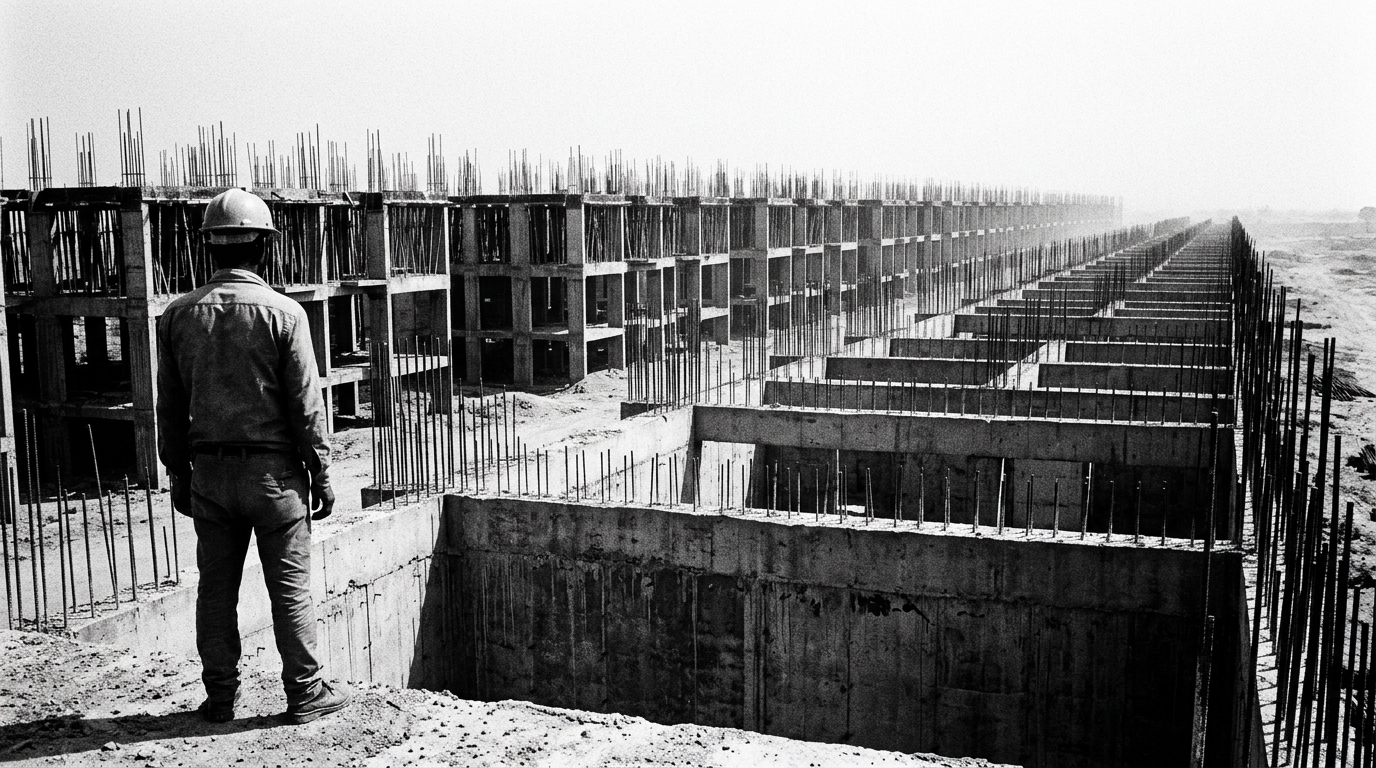
Let me tell you what I love about this deal on paper, and then let me tell you what keeps me up at night about it in practice.
Hilton just signed its third strategic franchise agreement in India... this time handing Royal Orchid Hotels (through its subsidiary Regenta) the rights to develop 125 Hampton by Hilton properties across western and southern India by 2035. That's on top of the 150 Spark by Hilton deal with Olive by Embassy and the 75 Hampton deal with Nile Hospitality signed just two months ago. If you're counting, Hilton has committed to roughly 350 franchised properties in India through strategic partnerships in the last year alone. Three hundred and fifty. The ambition is breathtaking. The execution question is enormous.
Here's the thing about master franchise agreements that I learned sitting on the brand side of these conversations for 15 years... signing the deal is the champagne moment. Delivering the deal is the hangover. Royal Orchid currently operates around 121 properties. They've announced a Vision 2030 plan to reach 345 hotels and 22,000 keys by fiscal year 2030. Now layer 125 Hampton properties on top of that, with roughly 60% targeted as greenfield (new construction) and 40% conversions. That means approximately 75 new-build hotels in markets like Goa, Maharashtra, Karnataka, Tamil Nadu, Andhra Pradesh, and Telangana. In nine years. From a company whose market cap is hovering around $115 million USD. That's not a pipeline... that's a prayer and a construction loan. (And I say that with genuine affection for anyone brave enough to sign a deal this big, because I've watched that kind of bravery pay off spectacularly and I've watched it destroy families. The difference is almost always in the financing.)
The India mid-market opportunity is real. The domestic travel boom is real. The supply gap in tier-two and tier-three cities is absolutely real, and Hampton is genuinely the right product for that gap... it's the most operationally forgiving brand in Hilton's portfolio, it travels well across cultures when properly localized, and the guest expectation is consistent quality without complexity. I've seen Hampton work in markets where more aspirational brands would choke on their own service standards. So the brand-market fit here? Strong. The brand-partner fit is where I start asking questions. Royal Orchid just sold a subsidiary in January for $3.4 million to "strengthen its balance sheet." That's not the language of a company sitting on development capital. That's the language of a company clearing the decks. Which is smart, actually... but 75 greenfield builds require either deep pockets or very willing lenders, and the Indian hotel lending environment, while improving, is not writing blank checks for mid-market development in secondary markets.
And here's the part the press release left out... what happens when two separate master franchise partners (Nile Hospitality with 75 Hamptons, Royal Orchid with 125 Hamptons) are building the same brand in the same country with overlapping regional footprints? Hilton carved this deal for western and southern India, but anyone who's looked at a map knows that's where the economic growth is concentrated. These partners aren't competing with Marriott or IHG... they're potentially competing with each other. I've seen this brand movie before. Two franchisees in adjacent markets, same flag, both promised the territory would support their investment. The brand wins either way (franchise fees from both). The individual franchise partner only wins if the territory math holds. And territory math in a country adding hotel supply at this pace is... optimistic. My filing cabinet is full of franchise projections from brands expanding aggressively into growth markets. The projected loyalty contribution numbers are always beautiful. The actual numbers three years later are always a conversation I wish I didn't have to have.
None of this means the deal is bad. It means the deal is big, and big deals in hospitality either build dynasties or they break families, and the variable is almost never the brand quality or the market demand. It's the capital structure, the development timeline, and whether the partner can survive the gap between signing day and stabilized operations on property number 40. Royal Orchid's stock popped 10% on the announcement. The market loves a growth story. I love a growth story too. I just love it more when someone can show me how they're paying for it.
Here's what I want to say to owners and GMs who are watching international brands sign these massive pipeline deals. This is what I call the Brand Reality Gap... brands sell promises at scale, but properties deliver them shift by shift. Hilton has now committed to 350 franchised hotels in India through three separate strategic partners in roughly 12 months. That's an extraordinary bet on one market, and it tells you exactly where the growth machine is pointed. If you're an existing Hampton franchisee in the US or Europe, understand that your brand's development energy and corporate attention is increasingly going east. That's not a criticism... it's a resource allocation reality you should be aware of when you're asking for brand support on your next PIP or wondering why the loyalty contribution isn't moving the way the FDD suggested. If you're an independent operator in a growth market anywhere in the world and brands are knocking on your door with franchise deals, do one thing before you sign anything: ask for actual performance data (not projections) from properties opened under similar master franchise agreements in the last five years. Not the flagship. Not the best performer. The median. Then stress-test your development cost against that median. The champagne at the signing is free. The construction loan is not.