A Hotel Fire Got Put Out in 48 Minutes. The Real Question Is What Happens Before the Fire.
A 357-room Hampton by Hilton at Stansted Airport evacuated every guest and killed a third-floor fire in under an hour with zero injuries. That's the headline. The story underneath it is about the 99% of hotels that haven't pressure-tested their fire response since the last brand audit.
Let me tell you what went right first, because it matters. Monday morning, 10:27 AM, third floor of a 357-room airport hotel catches fire. By 11:15 AM... 48 minutes later... the fire is out, every guest is accounted for, every staff member is safe, and the airport next door never stopped running flights. That's an extraordinary outcome. That's the result of someone (probably several someones) doing their job exactly the way they were trained to do it, under conditions where most people forget everything they've ever been told.
Now here's what keeps me up at night. That hotel is an eight-story, 357-key property managed by Interstate Europe, owned by Legal & General, flagged as Hampton by Hilton. Three layers of institutional oversight. Brand standards. Management company protocols. Institutional owner with asset management resources. And it STILL caught fire. That's not a failure... fires happen. Electrical systems age. Equipment malfunctions. The building is less than a decade old and something still went wrong on the third floor badly enough to require a full evacuation and high-pressure ventilation fans to clear the smoke afterward. The cause is still under investigation. But here's the thing about fire... it doesn't check whether you're a 357-key institutional asset or a 90-key independent running thin. It just burns.
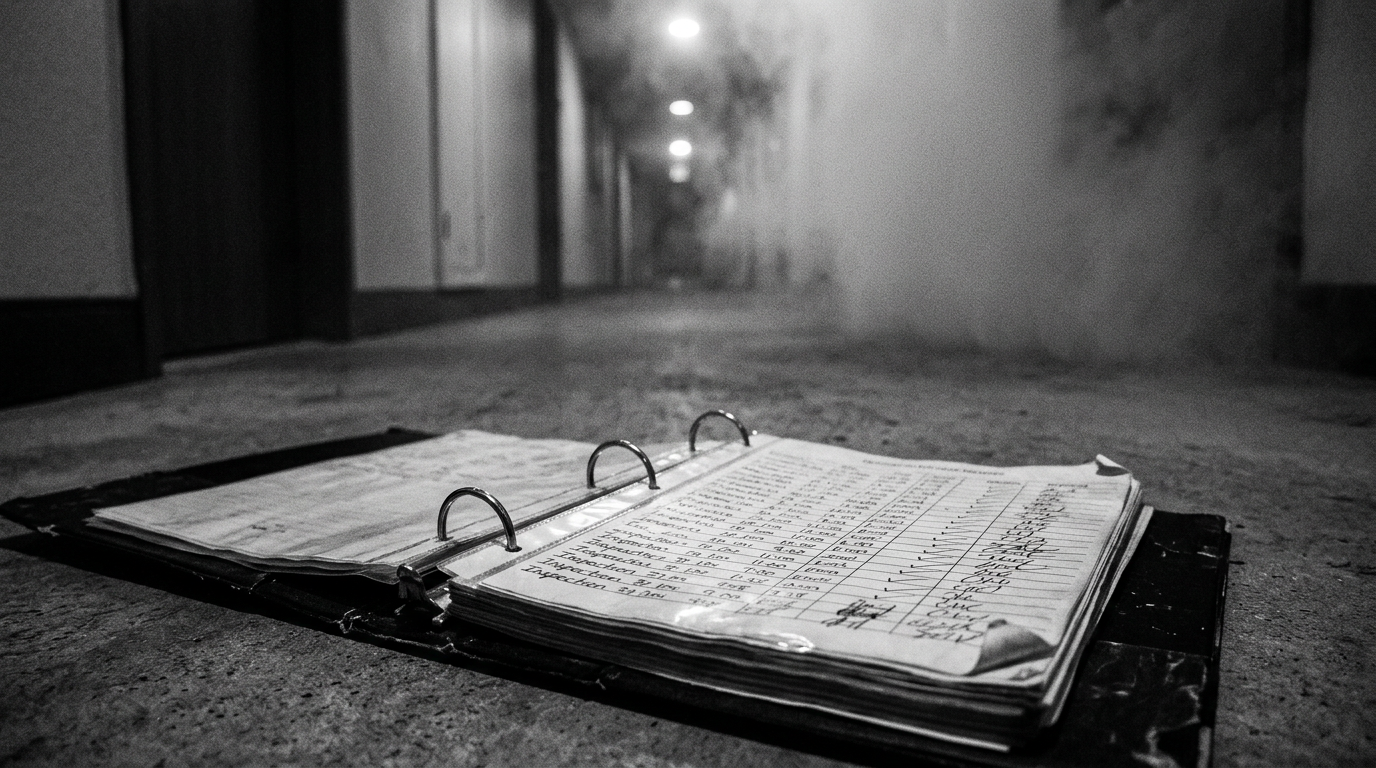
I ran a property once where the chief engineer walked me through every floor and showed me the fire suppression system like he was showing me his firstborn. Sprinkler heads, pull stations, extinguisher locations, smoke detector maintenance logs... the man had a binder. A BINDER. And he made every new hire walk the route within their first week. Not watch a video. Walk it. When I asked him why he was so intense about it, he told me about a hotel he'd worked at 15 years earlier where a laundry room fire sent smoke through the HVAC and they lost 40 minutes figuring out where it was coming from because nobody had checked the duct sensors in six months. Nobody got hurt, but he said the sound of guests banging on doors they couldn't see through was something he never got over. That binder wasn't corporate compliance. That was a man who'd been scared once and decided nobody was going to get scared on his watch again.
The UK hospitality sector logged nearly 600 fires in 2023 alone. Six hundred. Electrical faults, kitchen equipment, HVAC issues. And that's just the ones that got reported. The reality for most hotel operators... especially those of you running older buildings, properties with deferred maintenance budgets, buildings where the electrical was last updated during a Clinton administration renovation... is that your fire risk profile is higher than you think. Your brand's fire safety standards are a minimum, not a maximum. Your insurance company's inspection is annual. Your actual risk is daily. When was the last time your team did a live evacuation drill that wasn't announced in advance? When was the last time someone checked every pull station on every floor? When was the last time your night auditor... the one person in the building at 3 AM... actually walked through what they'd do if they smelled smoke?
The Stansted team earned their outcome on Monday. Forty-eight minutes, zero injuries, operations restored. That didn't happen by accident. It happened because someone, somewhere, took fire preparedness seriously enough to make it muscle memory. The question for the rest of us is whether we're relying on the same level of preparation or whether we're relying on luck. Luck works right up until the moment it doesn't.
If you're a GM at any property... branded, independent, 100 keys or 500... pull your fire safety logs this week. Not the binder that sits in the engineering office collecting dust. The actual logs. When was the last unannounced evacuation drill? When were smoke detectors last individually tested? Does your overnight staff know where every fire panel, suppression shutoff, and emergency exit is without looking it up? If you can't answer all three in under 30 seconds, you have a Monday morning project. The Stansted team got a good outcome because they were ready. Get ready.